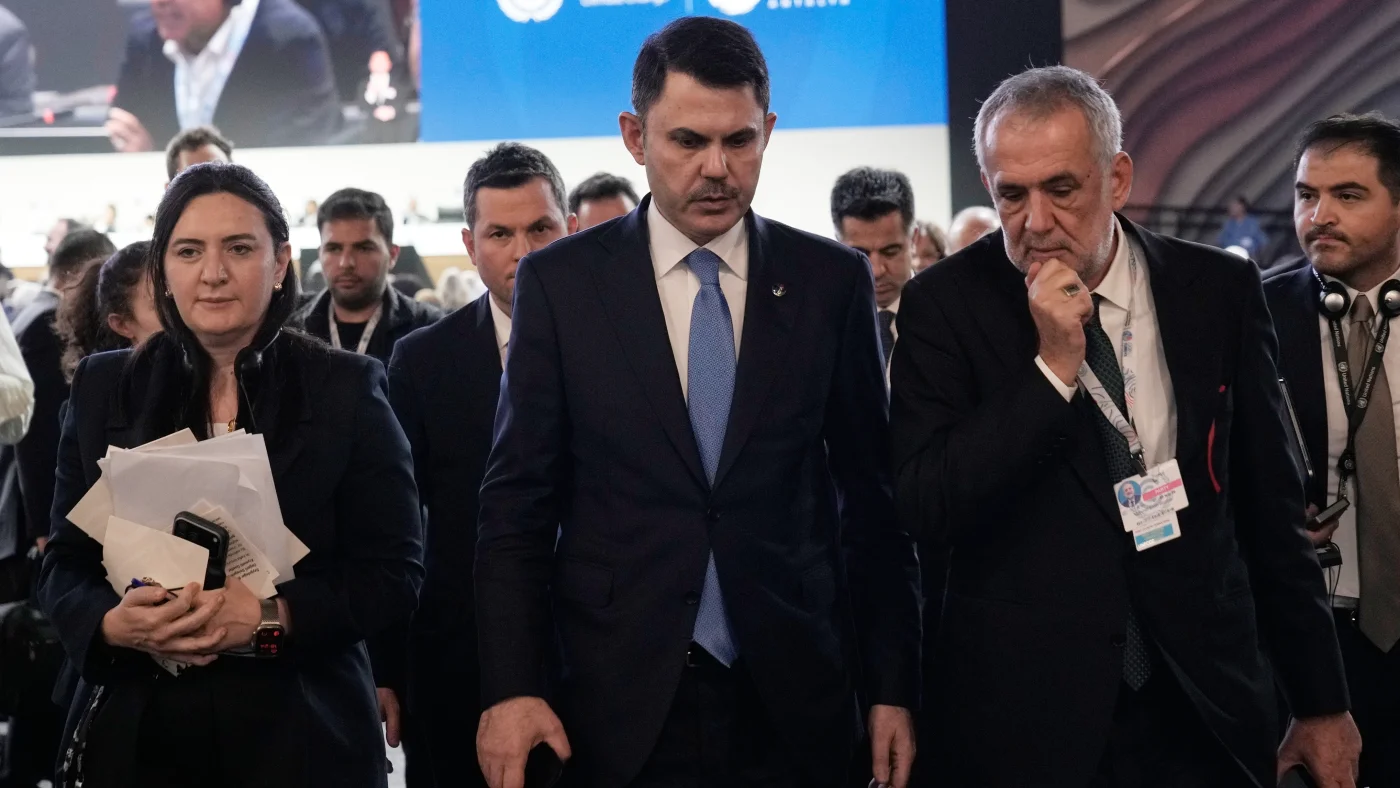
UN climate talks in Antalya, Turkey collapsed Sunday after nearly 200 countries failed to agree on a final deal, the first such breakdown since Copenhagen in 2009. The European Union and a coalition of vulnerable nations rejected a draft that omitted any mention of fossil fuels, the primary driver of global warming.
The conference, known as COP31, ran two days into overtime, becoming the longest summit in the process’s history. Co-chaired by Turkey and Australia, the talks were meant to produce the “Antalya Pact” — a sweeping agreement to accelerate climate action and support nations on the front lines of the crisis. Instead, the final plenary ended with no cover decision, the overarching political statement that typically signals global solidarity.
Why the talks fell apart
The fracture centered on two linked demands: explicit language on phasing out fossil fuels and credible finance for adaptation. A first draft had called for “accelerated action to phase out fossil fuels,” but that language disappeared from a revised text after opposition from oil-producing nations led by Saudi Arabia and other OPEC members.
🌍 Are climate promises translating into action? At #COP31, countries launched a new global progress check as divisions persist over finance, fossil fuels and a just transition. With time running out, cooperation is crucial.https://t.co/IZoE92ynEm
The EU, joined by the UK, Panama, the Marshall Islands, and a coalition of roughly 130 countries, refused to sign a deal that did not reaffirm the transition away from coal, oil, and gas agreed at COP28 in Dubai.
“That is not acceptable,” said EU climate commissioner Wopke Hoekstra after walking out of the negotiations. “We do that with a heavy heart with many other countries, but we simply cannot accept this.” Panama’s environment minister, Juan Carlos Navarro, put it more bluntly: “We cannot continue to be held hostage by petroleum producers.”
🌍 Calls for a stronger climate deal intensified as #COP31 reached its final scheduled day. Countries across regions demanded explicit action on fossil fuels and stronger climate finance. Read the report from Antalya 👇https://t.co/hrgsH3Zfb9
The 1.5°C threshold has been breached
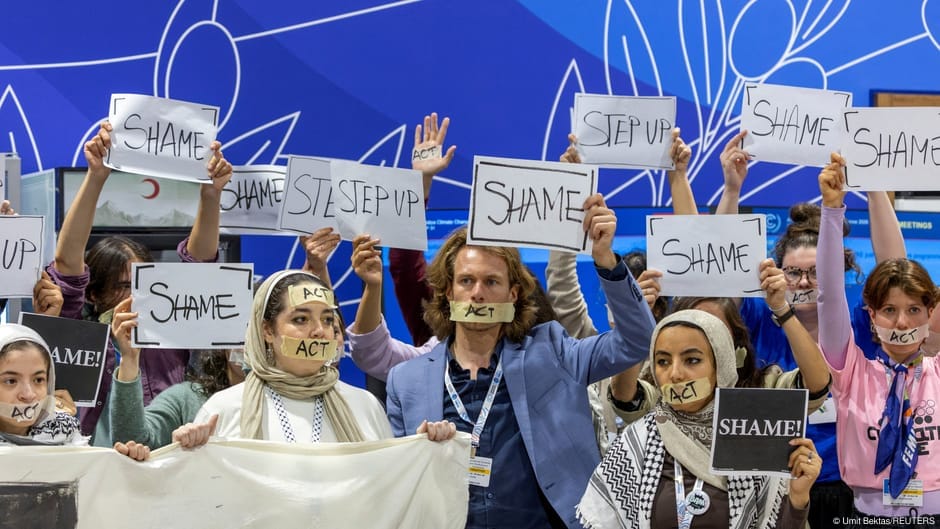
This was the first COP held under the explicit knowledge that global temperatures will exceed the 1.5°C limit set in the 2015 Paris Agreement. The UN confirmed the planet has essentially reached that threshold already, with overshoot now considered very likely within the next decade. For low-lying nations, the omission of fossil fuels from the draft text was not a procedural dispute but an existential one.
“We will not compromise our future to benefit fossil fuel interests,” said Kathy Jetn̄il-Kijiner, climate envoy for the Marshall Islands. “People are dying, seas are rising and ecosystems are collapsing. Are we so divorced from reality that we take backward steps, even as overshoot threatens to overtake us?”
Finance gap left unresolved
Developing countries arrived in Antalya demanding a clear roadmap for adaptation finance. African negotiators pushed for a target of at least $120 billion annually by 2035, a figure that appeared in early drafts but was stripped from the final version. The UN’s 2026 Adaptation Gap Report estimates that international public adaptation finance reached only $28.2 billion to $31.7 billion in 2024, while needs could hit $305 billion annually by 2035.
Earlier this year, vulnerable nations requested $2.8 billion for loss and damage; only $342 million was available. At COP31, just $142 million was pledged. “Those who contributed to this crisis … must shoulder the responsibility to deal with it,” the Panamanian delegation said. The EU, the largest provider of climate finance, resisted new adaptation targets, a stance developing nations blamed for the collapse.
Pledge lacks fossil fuel exit plan
But the pledge does not specify how that electricity will be generated. Around 57% of global electricity still came from fossil fuels in 2025, according to the think tank Ember.
Reform calls grow louder
The failure has renewed pressure to overhaul the UN’s consensus-based process, where a single country can block a deal. Panama formally proposed moving to majority voting for procedural decisions, though changing the rules themselves requires consensus.
“The legacy of Cop31 might be recognition of the limits of this consensus-driven approach to climate negotiations and the development of alternative sites for climate action,” said Matt McDonald, a professor of international relations at the University of Queensland who was at the talks.
Al Gore called the outcome an outrage. “World leaders no longer want to settle for the lowest common denominator,” he said. UN Secretary-General António Guterres called the result a setback but insisted there is “no ambiguity in the science” and urged faster action outside the negotiating rooms.
Now that #COP31 has concluded, I want to send a message to civil society, young people, Indigenous Peoples, scientists & frontline communities: Keep spreading the facts. Keep demanding #ClimateAction. Keep turning up the heat. Hold governments and companies to account.… pic.twitter.com/Nvsp2FOHeh
Vulnerable nations reject text as existential threat
Island states and least-developed countries refused to endorse the draft cover decision, saying it stripped away the Dubai commitment to transition from fossil fuels and offered no credible finance. The Marshall Islands formally objected, with envoy Kathy Jetn̄il-Kijiner telling Inside Climate News the text undermines her country’s security and threatens its future.
Ambassador Albon Ishoda added that the world has money for wars but not to save communities, a sentiment echoed by Panama’s delegation, which formally objected and warned it would not put its name to an outcome that does not adequately address the crisis.
Vanuatu’s climate minister Ralph Regenvanu said carbon capture and storage had been singled out for special attention it does not deserve, according to DW. Mohamed Adow of Power Shift Africa called COP31 the “worst ever,” while the Panamanian delegation insisted that those who contributed to the crisis must shoulder the responsibility to deal with it.
Adaptation finance target stripped from final draft
The Conversation quoted Panama’s minister Juan Carlos Navarro saying that while diplomats listen to endless oratory, the planet is being destroyed. The UN’s Simon Stiell briefed journalists that all major economies must deliver on existing legal obligations and finance commitments ahead of COP32, as noted by UN News.
Legal and procedural fallout spurs reform debate
An International Court of Justice advisory opinion last year confirmed states have a binding legal obligation to combat climate change, Al Jazeera reported. The collapse has intensified calls to overhaul the UN’s consensus rule, which lets a single country block a deal. Panama formally proposed moving to majority voting for procedural decisions, though changing the rules themselves requires consensus.
UN Secretary-General António Guterres said the outcome does not alter the realities of the crisis and urged faster action outside the negotiating rooms.
I'm deeply disappointed that #COP31 has ended without consensus on an overarching outcome. I share the very profound frustration of all those who expected governments to rise to the moment the climate crisis demands. But this setback does not change the facts. There may be no… pic.twitter.com/SBMZPpfU5l
Al Gore called the result an outrage and said world leaders no longer want the lowest common denominator. The EU’s Wopke Hoekstra told reporters after walking out that the text does not respond to the science of climate change, a point CNBC confirmed the EU made in rejecting the deal.
What happens next
The next summit, COP32, is scheduled for November 8–19, 2027, in Addis Ababa, Ethiopia. Ethiopian Foreign Minister Gedion Timothewos, who will preside, said his country aims to “restore hope, rebuild trust and mobilize collective action.” Meanwhile, a separate track — the “Transition Away from Fossil Fuels” initiative launched by more than 50 countries — will hold its second conference in 2027, co-hosted by Ireland and Tuvalu.
Worth a look

Charleston Coliseum Hiring Director of Sales & Marketing for Three Venues; Open Until Feb. 19, 2027
The Charleston Coliseum and Convention Center is hiring a Director of Sales and Marketing to oversee three venues...
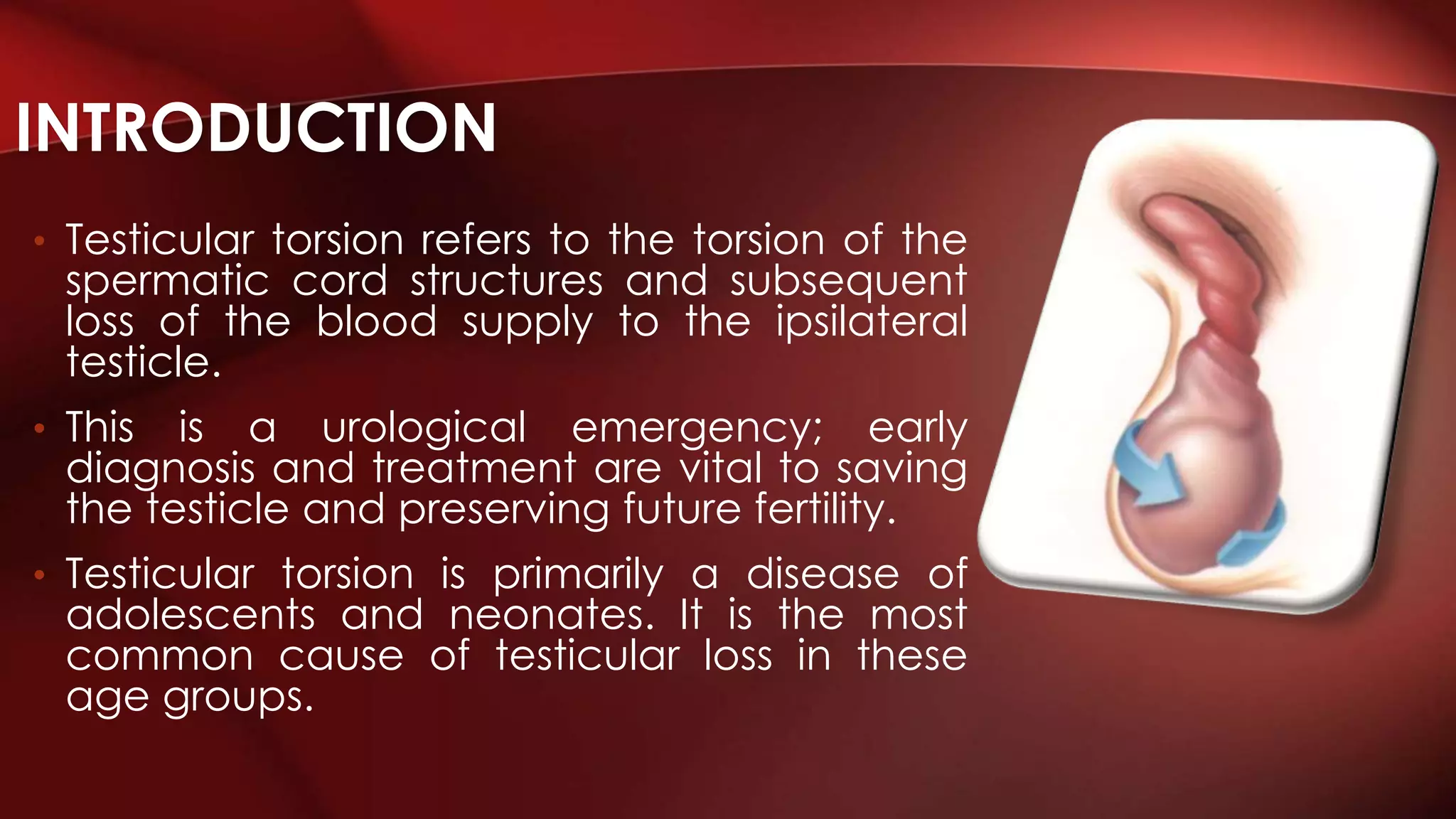
Virginia Jury Clears ER Doctor in Testicular Torsion Malpractice Suit
A Virginia jury deliberated 75 minutes before clearing an emergency physician and his medical group in a malpractice...

NYC Assemblyman Jordan Wright Responds to Lizard People Claims After Viral Clip
Video from Friday’s City Hall press conference showed Wright grinning, blinking and rolling his eyes back. Conspiracy theorists...
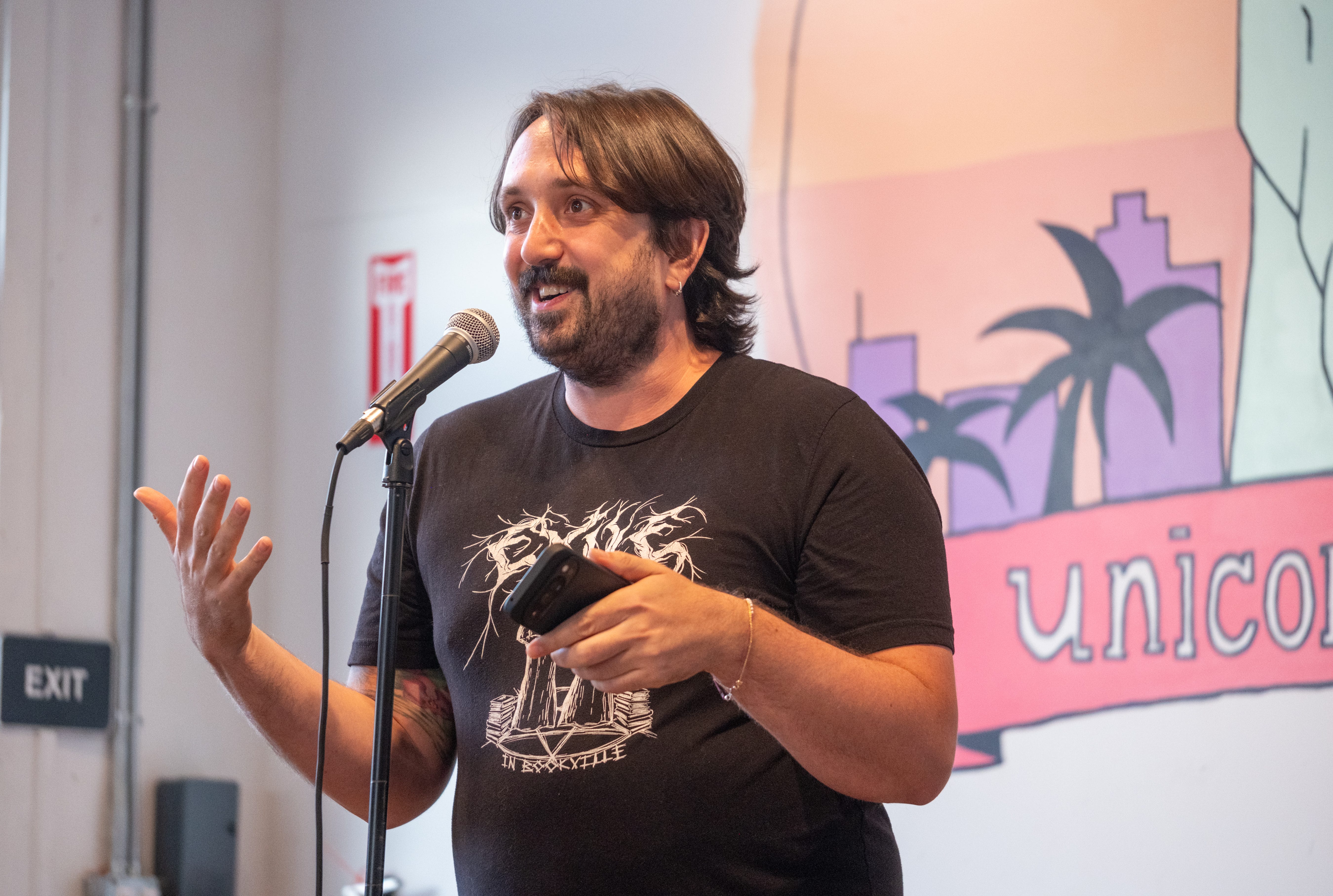
Columbus Monthly: One Weekly Poetry Open Mic Left, Two Monthlies Continue
"You can come, you can go, you can like us, you can hate us. But the idea that...