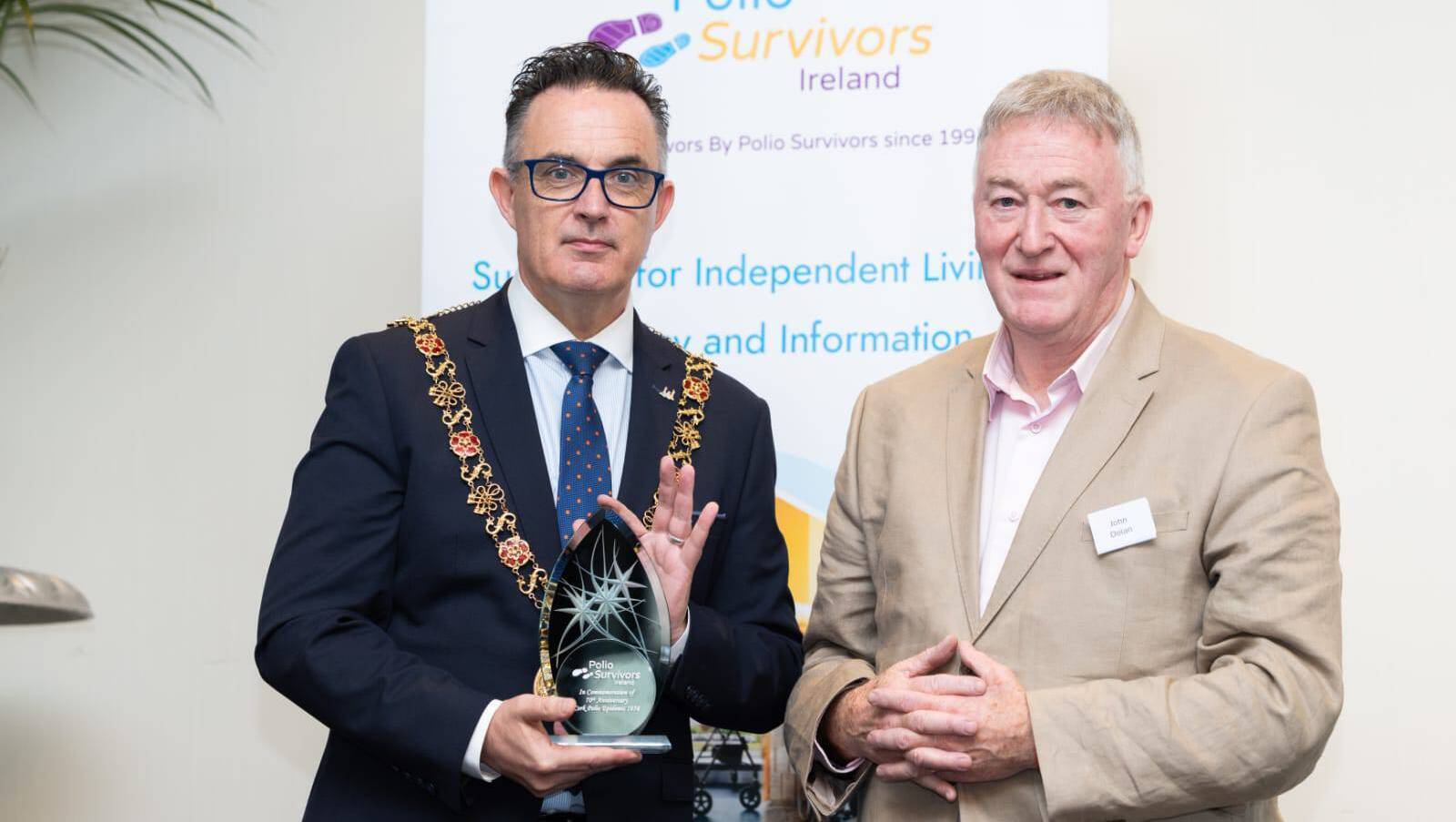
Seventy years after an outbreak of poliomyelitis brought terror to Cork, a group of survivors gathered to mark a sombre milestone, hearing how the summer of 1956 permanently altered their lives.
That summer, the virus caused 220 cases of infantile paralysis and claimed the lives of five children in the city. The last recorded case of wild polio in Ireland was in 1984, but the physical toll on those who survived childhood infection remains visible today.
Decades later, post-polio syndrome can emerge in a quarter to half of individuals who previously recovered from paralytic polio as children. The condition brings chronic pain, muscle weakness, mobility and respiratory issues, and extreme fatigue.

Remembering the Cork Epidemic and Its Aftermath
Polio spreads through person-to-person or faecal–oral contact, presenting effects that range from a minor transient illness to long-term paralysis and death. Though it can strike at any age, it mainly affects children under the age of five.
Speaking at an event arranged by Polio Survivors Ireland, the Lord Mayor of Cork, councillor Damian Boylan, remarked that while most people in Ireland view polio purely as history, the disease shaped the entire life trajectories of those who survived it.
“Seventy years on, we have a responsibility to remember what happened in Cork, to listen to those who lived through it, and to ensure that their experiences continue to inform how we care for people today. We should never forget the fear. We should never forget those we lost. And we should never forget those still living with the consequences,” he said.
The Long Shadow of Social Stigma
For many survivors, the physical burden was compounded by social attitudes that persisted long after the acute danger of the epidemics receded.
Máire Ní Chorcora, a polio survivor originally from Mallow, told the gathering that the Lord Mayor’s recognition meant a great deal to those who lived through the era.
“For much of our lives we lived with the stigma of a disease that was considered shameful. To be recognised in this way is so important to us,” she said.
With the last recorded case of wild polio in Ireland in 1984, public memory of the epidemics fades with each passing generation, leaving survivors to manage the late-onset effects of post-polio syndrome largely out of view.
Keep reading

Review: Call of Duty: Modern Warfare 4 (PS5) – Same Old Multiplayer Drags Down Stellar Package
Call of Duty: Modern Warfare 4 arrives across major consoles and PC for $69.99, pairing Infinity Ward's strongest...
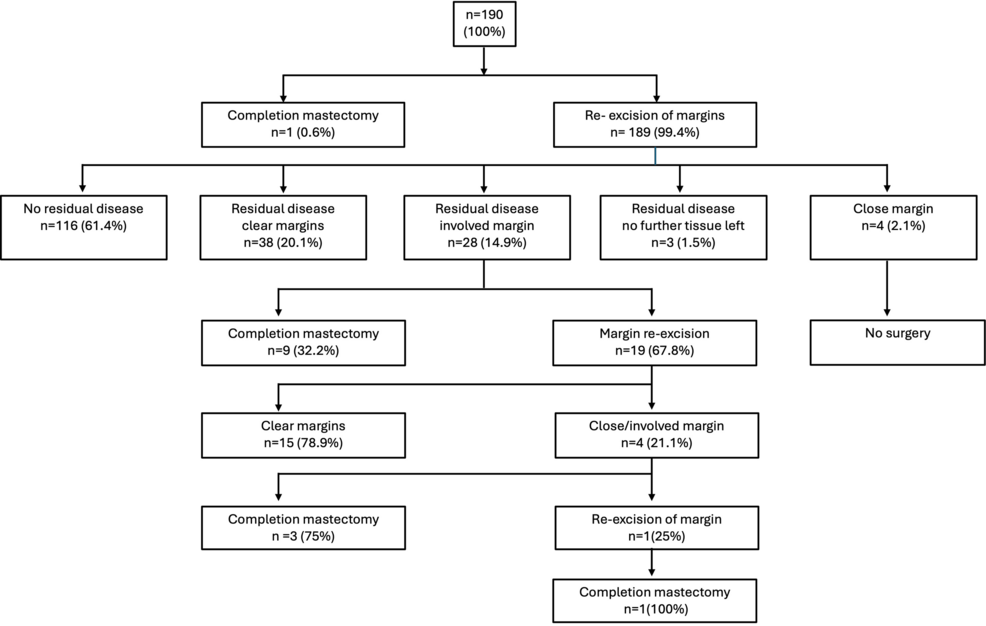
Outcomes Following Breast-Conserving Surgery for Positive Radial Margins: A Five-Year Longitudinal Study – Cureus
When a surgeon removes a tumor during breast-conserving surgery, the margins of healthy tissue surrounding that tissue are...
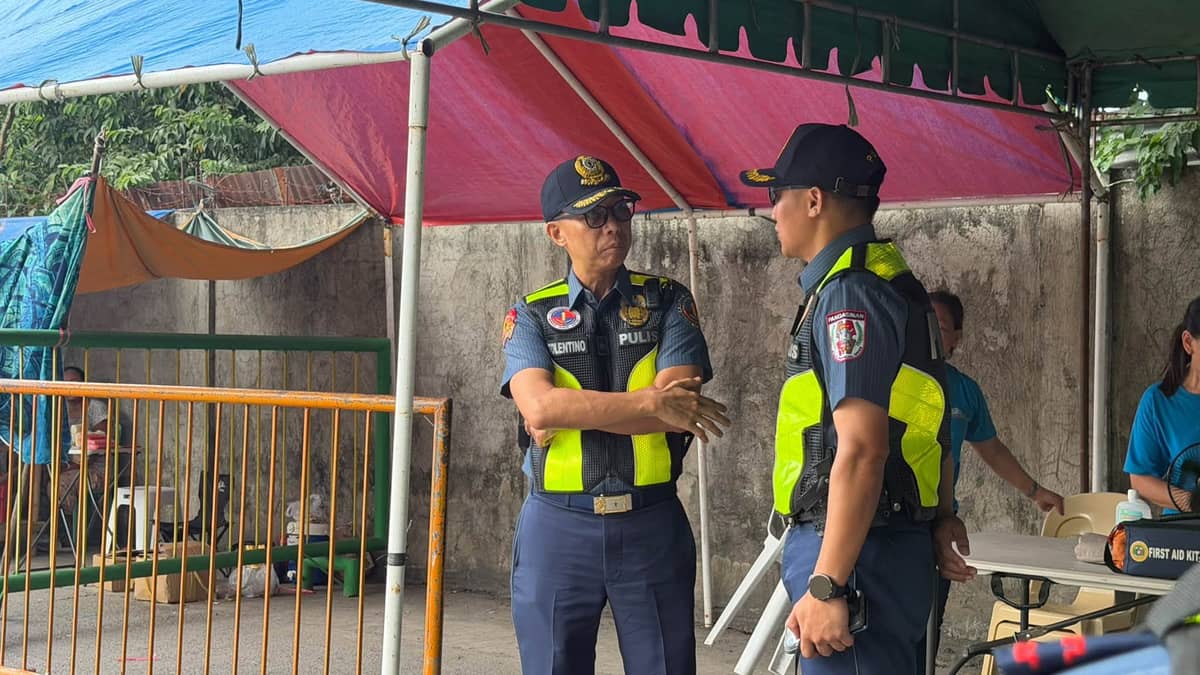
Ilocos police chief checks Undas security in San Carlos – Daily Tribune
Seaport Traffic Surges Past 114,000 as Undas Travel Rush Intensifies Nationwide As millions of Filipinos travel across the...

Wikimedia Indonesia and English Club Project Host WikiLatih Workshop
WikiLatih brings Wikipedia training to the English Club Project in South Jakarta On August 9, 2026, a collaborative...