Seven people died after taking cyanide-laced Extra Strength Tylenol capsules in the Chicago area in September 1982, triggering a nationwide panic and forcing a complete overhaul of over-the-counter medication packaging across the United States.
From an Unidentified Body in Boise to a Jacksonville Link
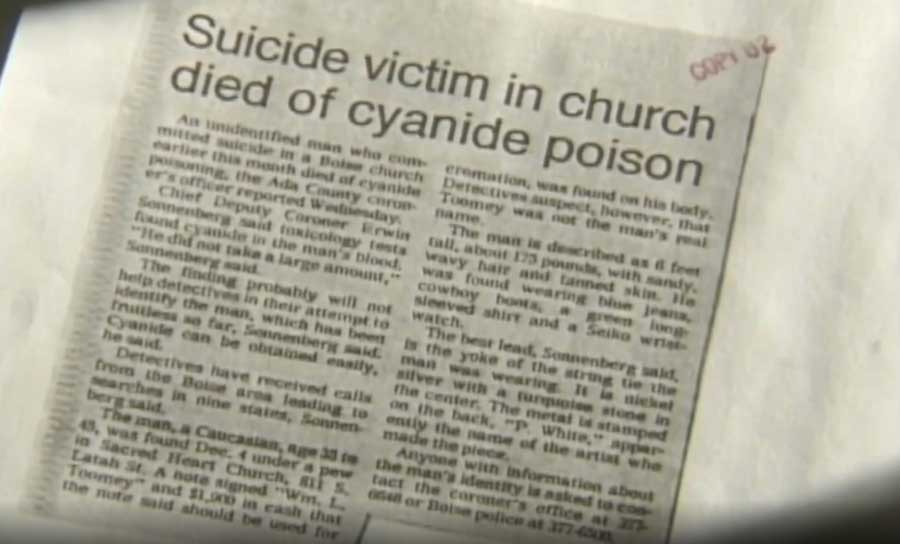
The path toward this new suspect began nearly 1,700 miles away from Chicago. On Dec. 4, 1982, a well-groomed man carrying no identification walked into Sacred Heart Catholic Church in Boise and died by suicide after ingesting cyanide. For decades, authorities referred to him only as the “Unknown Wanderer.”
The breakthrough arrived after Ada County Cold Case Detective Tim Cooper reopened the case in 2019. Among the items preserved from the 1982 scene were nearly 30 keys. Cooper traced the markings on one key to a hardware store in Jacksonville, Florida, which eventually led investigators to property records and surviving family members. DNA testing ultimately confirmed that the Unknown Wanderer was Mathew Betkouski, a man who had disappeared in 1982, as detailed by san.com.
An Organic Chemist With a Troubled Background
Identifying Betkouski revealed a complex personal history marked by advanced scientific training and mental health struggles. According to records and interviews compiled by investigators, Betkouski held a Ph.D. in organic chemistry and later worked for Lockheed Martin on a NASA-related project at White Sands, New Mexico. San.com noted that Betkouski had suffered a traumatic brain injury in 1974 and struggled with mental illness throughout his life.
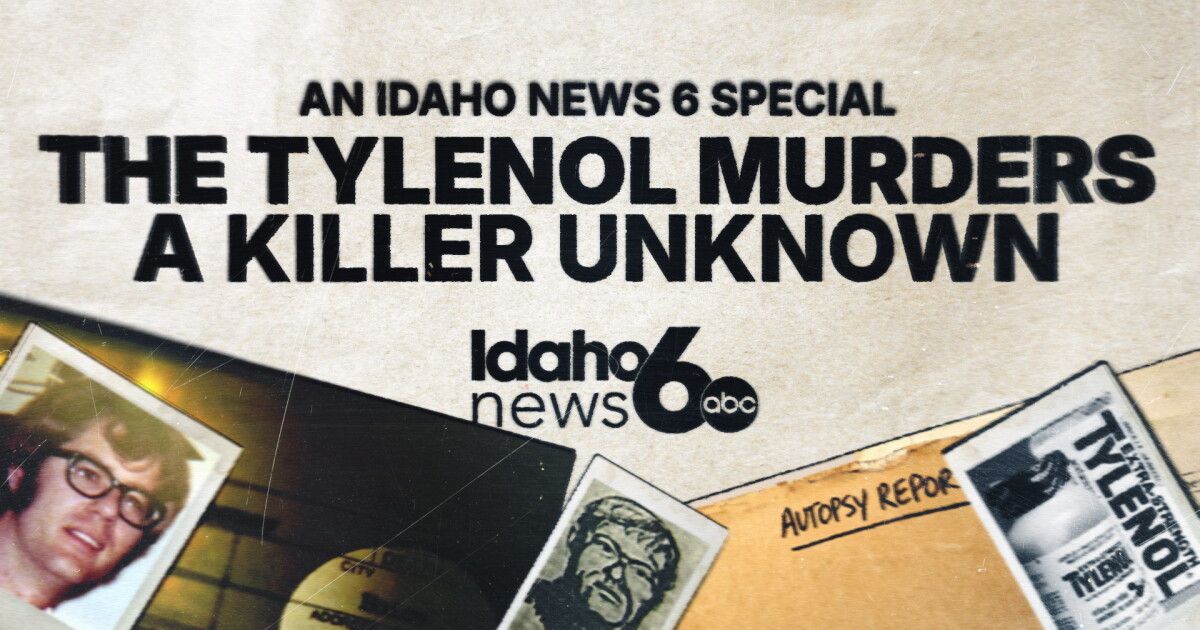
Former coworkers from his time in Jacksonville and New Mexico recalled unsettling conversations regarding poisons. A coworker in Jacksonville remembered Betkouski discussing the “perfect crime” and how cyanide could be used as a method of suicide. Another colleague in New Mexico stated that Betkouski had talked about introducing poison into over-the-counter medicine capsules and had attempted to obtain pills from a pharmacy in the Las Cruces area.
Sharply Divided Opinions Among Investigators
The discovery of these details convinced some officials that Betkouski fits the profile of the elusive Tylenol killer. Dr. Park Dietz, a forensic psychiatrist who consulted on the original 1982 investigation, told eastidahonews.com that he believes Betkouski is responsible for the murders, though he acknowledges the case relies entirely on circumstantial evidence.
The Missing Timeline and Unanswered Questions
The central obstacle in linking Betkouski directly to the Chicago poisonings remains a missing timeline. While investigators have established that Betkouski was alive and traveling in 1982 before eventually dying in Boise, Cooper acknowledged that they cannot definitively place him in Chicago during the final week of September 1982 when the Tylenol capsules were tainted.
Further complicating independent verification, most historical case materials and investigative presentations requested by news organizations have been denied by officials citing exemptions related to an active FBI investigation. Ada County investigators continue to ask anyone with information regarding Betkouski’s whereabouts in the months leading up to his death to submit tips to [email protected].
Keep reading
Foraging for knowledge: Mushroom clubs search for overlooked species – Bay Journal
The Vast, Unmapped Fungi Kingdom Professional mycologists face a daunting ratio in the field. Scientists estimate there are...

Oregon Zoo elephant calf is being treated for dangerous disease – OPB
Veterinary teams at the Oregon Zoo are fighting to save a young Asian elephant calf named Tula-Tu, who...
Oklahoma State University hosts second annual drone search and rescue championship
Stillwater Skies Host Student Rescue Drones High school teams from across Oklahoma are gathering at Lake Carl Blackwell...

Build a Custom Home on Your Land in Ohio – Diyanni Homes
Building a custom home across Ohio requires navigating starkly different regional landscapes, from the Lake Erie shoreline in...