
Could an Unknown Wanderer Who Died in Boise Be the Chicago Tylenol Killer?
More than forty years after poisoned medicine killed seven people around Chicago, investigators are debating whether an anonymous chemist who died by suicide in an Idaho church could be the elusive perpetrator.
The tragedy began on September 29, 1982, when 12-year-old Mary Kellerman died after taking Extra Strength Tylenol. Within three days, six more people across the Chicago area died after consuming capsules laced with deadly potassium cyanide. The crisis forced Johnson & Johnson to recall 31 million bottles and permanently altered over-the-counter medication packaging through the introduction of tamper-evident seals.
Yet the person responsible was never caught. Over the decades, thousands of leads stalled, leaving the nation’s most infamous product-tampering case officially unsolved.
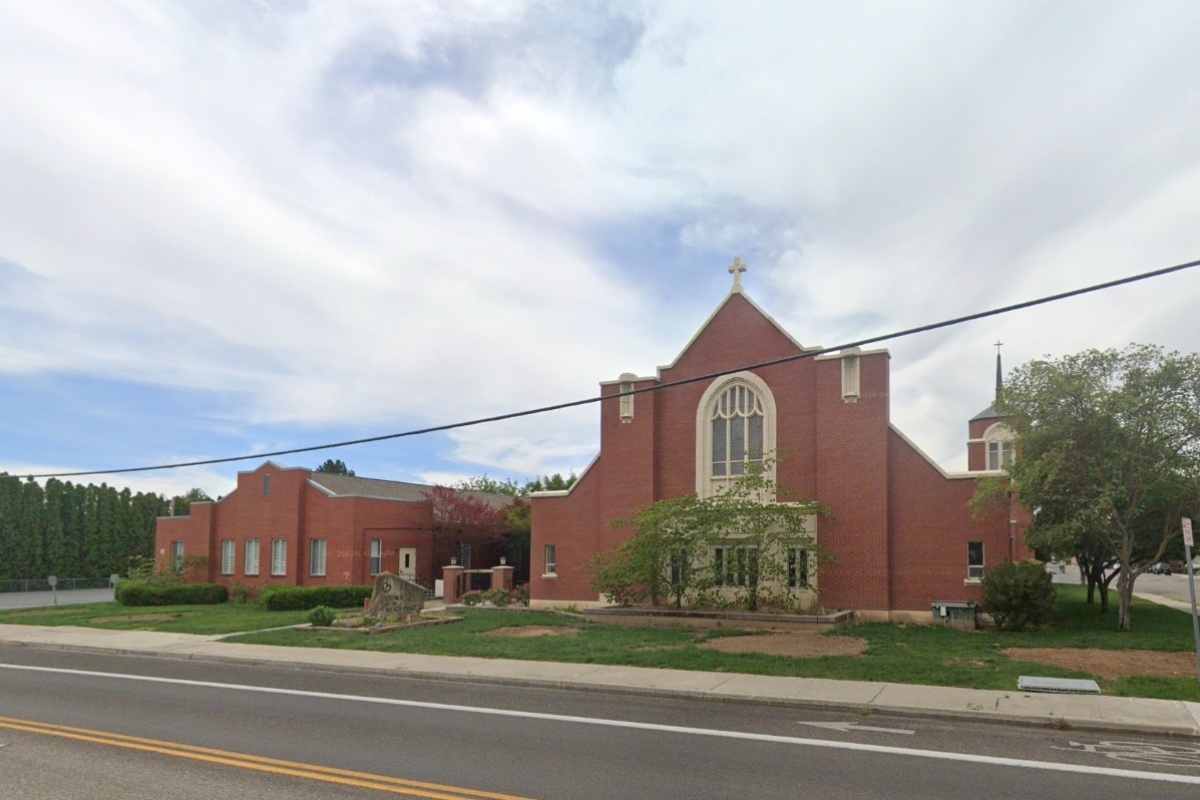
Nearly 1,700 miles away, a separate mystery was quietly taking shape. On December 4, 1982, a man walked into Sacred Heart Catholic Church in Boise and took his own life by ingesting cyanide. He carried no identification, prompting authorities to dub him the “Unknown Wanderer.”
Uncovering the Identity of Mathew Betkouski
The Boise cold case finally shifted in 2019 when Ada County Cold Case Detective Tim Cooper reexamined the evidence, which included nearly 30 keys found in the man’s pockets. One key led investigators to a property in Jacksonville, Florida, directing them toward a man who had vanished in 1982: Mathew Betkouski. DNA testing ultimately confirmed his identity.
Learning who the Wanderer was opened up a troubling new line of inquiry. Betkouski held a Ph.D. in organic chemistry and had worked for Lockheed Martin on a NASA-related project in New Mexico. Former coworkers later recalled unsettling conversations with him prior to the Tylenol murders, with one colleague remembering Betkouski discussing how someone could pull medicine off shelves, poison it, and return it undetected.
Investigators subsequently discovered a Chicago-area map, correspondence indicating travel plans there in 1981, and traces of cyanide among his personal belongings.
Dr. Park Dietz, a forensic psychiatrist who consulted on the original 1982 investigation, told KIVI-TV that Betkouski matches the psychological profile of the killer. I believe that the Unknown Wanderer is exactly the kind of person who would have committed the Tylenol murders,
Dietz stated.
The Missing Timeline and Sharp Disagreements
Despite the circumstantial overlap, major hurdles remain. Detective Cooper acknowledges that investigators have not found a smoking gun placing Betkouski in Chicago during the final week of September 1982.
That missing timeline is why others reject the theory entirely. Jeremy Margolis, a former federal prosecutor assigned to the original Tylenol task force, dismissed the connection when speaking with KIVI-TV. No, I think it’s utter nonsense,
Margolis said, arguing that criminal profiles do not constitute hard evidence.
This debate has fueled broader demands for institutional transparency. When Idaho News 6 requested historical case materials and investigative presentations, officials denied most of the requests, citing exemptions tied to an active FBI investigation.
Identifying Mathew Betkouski solved the decades-long mystery of the Boise church suicide. Whether it answers the much larger question of who poisoned the nation’s medicine cabinets in 1982 remains entirely unproven.
Keep reading
Baton Rouge among 4 U.S. cities chosen for Justice Department crime reduction grant
Out of 47 major cities that applied across the country, just four secured a spot. Baton Rouge stands...

Team News: Regulars return for playoff opener as Bird changes six – Louisville City FC
Louisville City FC interim head coach Simon Bird has restored his first-choice lineup for Friday’s Eastern Conference Quarterfinal...

Buccaneers to Host Atlanta Falcons in Week 8 “She is Football” Game at Raymond James Stadium
The Tampa Bay Buccaneers are set to host the Atlanta Falcons this Sunday at 1:00 p.m. at Raymond...

Florida Tech Swimming Breaks 3 Records and Sets 8 NCAA B-Cuts
The Florida Tech men’s and women’s swimming teams set a high bar on Friday, Oct. 30, securing three...