
In a prospective, single-centre, real-world study of 40 patients with advanced Parkinson’s disease in Naples, Italy, three months of continuous subcutaneous foslevodopa-foscarbidopa infusion (CSFLI) was associated with significant reductions in motor complications and in non-motor fluctuations occurring during OFF periods.
The analysis, led by Rosa De Micco of the Department of Advanced Medical and Surgical Sciences at the University of Campania “Luigi Vanvitelli,” tracked patients who switched from oral levodopa therapy to CSFLI between 2024 and 2026 and completed three months of follow-up. The patients had a mean age of 67.05 years, 80% were men, and the mean disease duration was 12.03 months. The findings were published online on October 26, 2026, in the European Journal of Neurology.
OFF-State Symptoms Showed the Clearest Gains
After three months on the infusion, motor complications improved across the board: OFF time, ON time with dyskinesias, and disabling dyskinesias all dropped significantly, with false discovery rate-adjusted P values of .001 for each. The overall non-motor symptom burden also fell significantly, with favourable changes in the sleep or fatigue, mood or cognition, gastrointestinal, urinary, and miscellaneous domains, again at FDR-adjusted P = .001.
The split between OFF and ON states is where the results get interesting. Non-motor fluctuations during OFF periods decreased significantly (FDR-adjusted P = .001), with improvements in the depression or anxiety, sleep or fatigue, and miscellaneous domains. Non-motor fluctuations during the ON state, by contrast, remained unchanged.
Specific symptom scales pointed the same direction. Sleep-related symptoms, nocturnal and morning akinesia, depressive symptoms, and overall quality of life all improved significantly (FDR-adjusted P < .05 for all). Daytime sleepiness, anxiety, fatigue, apathy, autonomic symptoms, and impulsive-compulsive behaviours showed no significant change.
“The present findings provide preliminary evidence that CSFLI may be associated with improvements in NMFs [non-motor fluctuations], particularly those occurring during the OFF state, while also highlighting the heterogeneous response of individual non-motor domains and the importance of treatment tolerability and persistence,” the authors wrote.
What the Design Can and Cannot Show
The researchers cautioned that the observational design, the small sample of 40 patients, and the absence of a control group prevent causal inferences. Because follow-up lasted only three months, whether the observed effects persist over the long term remains unknown, and treatment adjustments were made based on individual clinical judgment rather than a fixed protocol.
The study received no specific funding, and two authors declared receiving honoraria for serving as speakers or consultants for multiple pharmaceutical companies.
Related reading

SC Seeks Response From Centre and ECI on Plea Challenging Blanket Immunity for Election Commissioners
On Wednesday, November 4, 2026, the Supreme Court of India issued notice to the Union government and the...
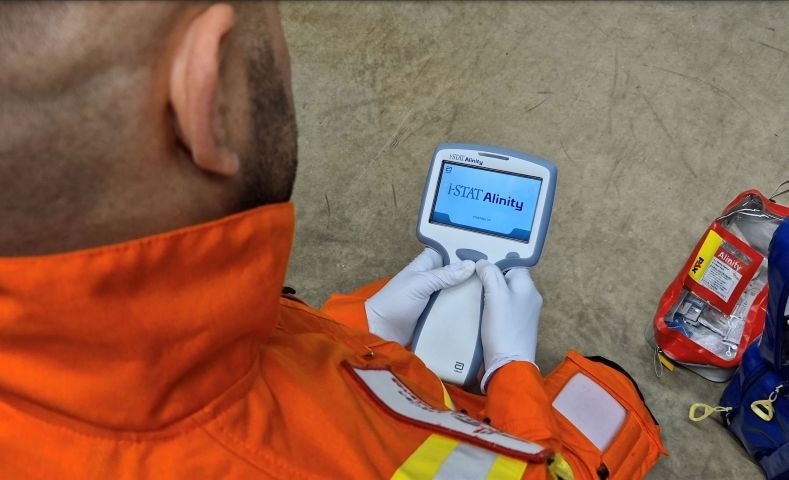
East Anglian Air Ambulance blood test confirms brain bleeds in minutes in first trial cohort
When a helicopter crew reaches someone with a suspected head injury, the clock is already running. East Anglian...

Indonesia to showcase three climate bills, energy transition plans at COP31 in Türkiye
When world leaders gather in Antalya, Türkiye, on November 9 for the 31st United Nations Climate Change Conference,...

Potassium-Enriched Salt Could Prevent 3 Million Annual Deaths
Replacing ordinary table salt with a potassium-enriched alternative could prevent nearly three million deaths globally every year, according...