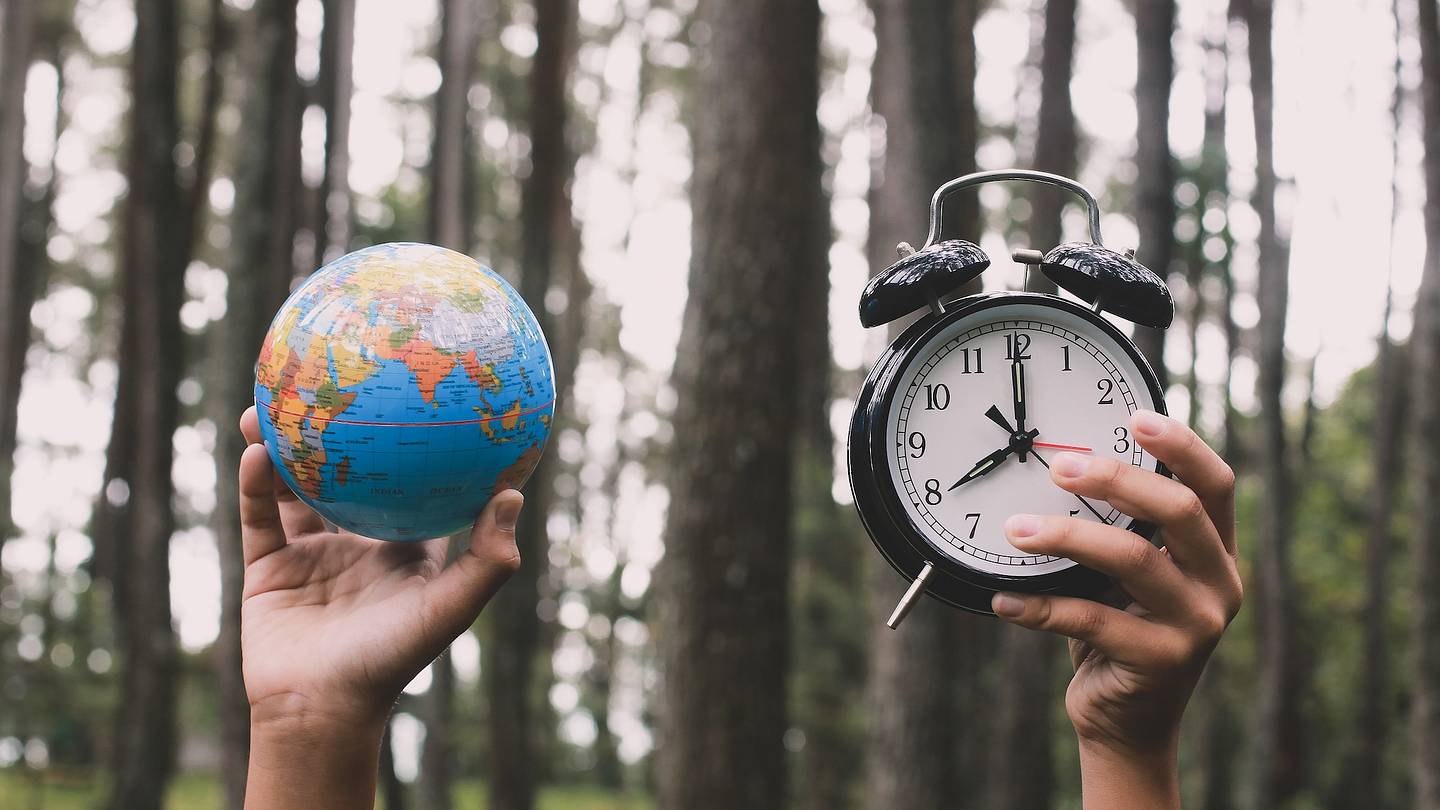
The Bicoastal Divide as Clocks Fall Back
At 2 a.m. local time on Sunday, November 1, 2026, clocks across the United States will fall back an hour, granting millions of Americans an extra slice of morning sunlight. But in Hawaii, most of Arizona, and five U.S. territories, the ritual will pass without a single gear turning or digital display changing.
While the rest of the country adjusts its schedules twice a year, these specific regions maintain a permanent rhythm rooted entirely in geography and climate. The American divide over Daylight Saving Time comes down to logistics: how close a patch of land sits to నమో the equator and how much heat a population can tolerate.
Wartime Origins and the Uniform Time Act of 1966
To understand why two states and multiple territories skip the clock-changing tradition, it helps to look at why the system exists at all. Daylight Saving Time was first introduced in Germany during World War I to save on energy costs, as working during daylight hours generally required less artificial illumination. The United States adopted the measure for the same reason in 1918, though public pushback led to a swift repeal the following year. It returned in 1942 during World War II, eventually leading to decades of state-level experimentation.

By the mid-1960s, the patchwork of local schedules had created widespread transit and broadcasting chaos. Congress stepped in with the Uniform Time Act of 1966, establishing a standardized federal schedule while leaving states a clear legal out: stay on standard time permanently, or opt into the twice-yearly shifts. Indiana famously held out until 2006, when it finally joined the clock-changing ritual as the 48th state. Yet, Hawaii and Arizona refused to budge.
Equatorial Realities in Hawaii
Hawaii sits so close to the equator that sunrise and sunset occur at nearly the exact same time all year round. Adjusting clocks forward or backward would accomplish nothing because local daily routines already align naturally with the sun. The state actually tried to implement Daylight Saving Time in 1933, but repealed the measure after just three weeks when residents realized it made no practical sense.

Arizona and the Battle Against Summer Heat
Arizona’s refusal, meanwhile, is driven by an intense battle against summer heat. During the hottest months, residents frequently wait until the sun sets before stepping outside to run errands or socialize. Moving the clocks forward would push those tolerable evening hours even later into the night—or force families to run air conditioning units significantly longer during the peak heat of the afternoon.
The state briefly experimented with Daylight Saving Time in 1967, but abandoned the change after six months of public frustration. A 1969 retrospective in the Arizona Republic captured the local sentiment cleanly:
[Data] clearly show that we must wait until about 9 p.m. DST to start any night-time activity such as drive-in movies, moonlight rides, convincing little children it’s bedtime, etc. And it’s still hot as blazes!
Tribal Exceptions and Island Territories
There is one notable exception within Arizona’s borders. Members of the Navajo Nation do observe Daylight Saving Time, primarily to keep their schedules aligned with tribal members living across state lines in Utah and New Mexico, where the clock-changing ritual remains active.
Beyond the mainland, the U.S. territories of American Samoa, Guam, the Northern Mariana Islands, Puerto Rico, and the U.S. Virgin Islands share Hawaii’s geographic exemption. Positioned too close to the equator for seasonal daylight shifts to alter daily life, they simply let the clocks run uninterrupted year-round.

Minnesota Gophers Fall to Indiana in Overtime Heartbreaker
The Minnesota Gophers missed an opportunity to upset fourth-ranked Indiana in Bloomington, falling 23-16 in overtime after a...

Jeffery Simmons Arrival Fails to Fix Chicago Bears Secondary Flaws
The Chicago Bears are sitting at 5-2, and general manager Ryan Poles has just acquired Jeffery Simmons to...

Adrian Martinez Arrested After Threatening Deputies in Idaho Falls
Adrian Martinez Arrested After Basement Standoff in Idaho Falls An early morning call to an Idaho Falls home...

Minot State defeats Hawaii Pacific 71-70 in tournament semifinal
The Minot State men's basketball team erased an 11-point halftime deficit to defeat Hawaii Pacific 71-70 at McCabe...