| Feature | UK Little Tern Project | California Least Tern Project |
|---|---|---|
| Primary Threat | Trampling, high tides, predators | Predators, habitat vegetation |
| Key Strategy | 24/7 site monitoring | Habitat weeding and shell/sand surfacing |
| Community Role | Wardens and volunteers | Volunteer weeding and decoy painting |
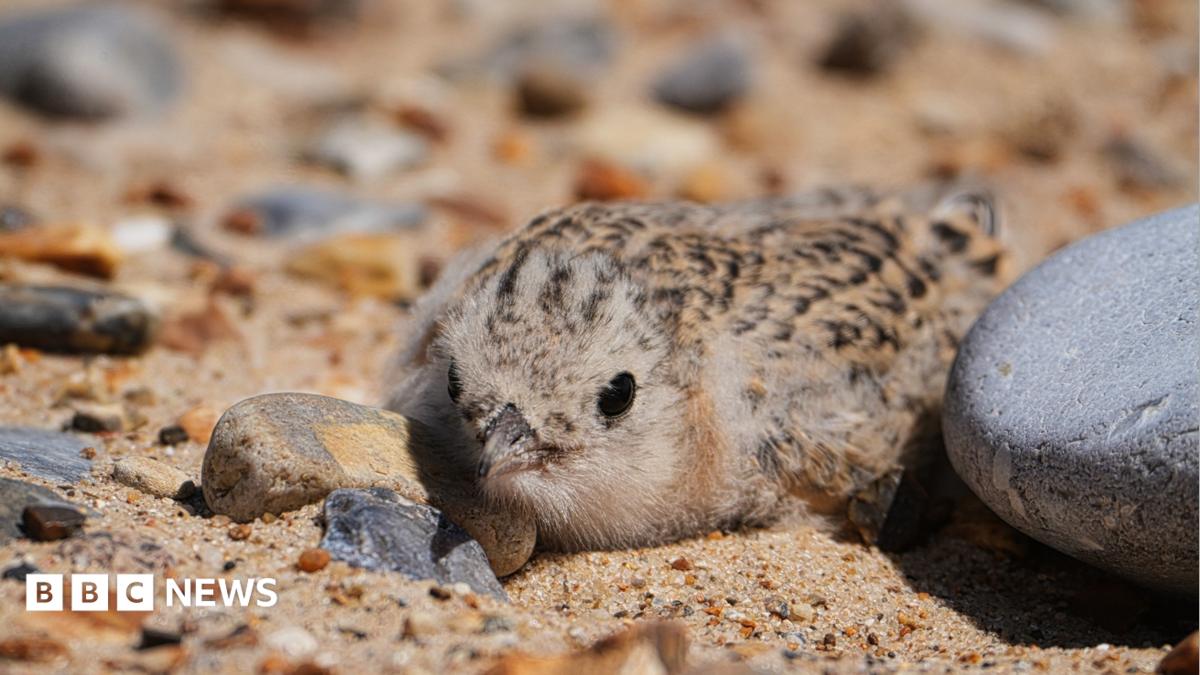
A 40-year conservation effort has successfully bolstered populations of the little tern, a threatened seabird that migrates 3,000 miles (4,828km) from west Africa to the UK coast. Intensive monitoring and habitat protection at nesting sites in Norfolk and Suffolk have led to a record 700 ground nests this season. Hidden in the scrapes, the little tern chick is camouflaged and vulnerable on a Norfolk beach, but it is now surrounded by this record number of nests due to a project established four decades ago.
The RSPB Tern Around Project and Norfolk Breeding Success
Four Decades of Coastal Protection in Norfolk and Suffolk

The recovery of the little tern in East Anglia represents a significant shift from the species’ precarious status in the mid-1980s. According to reporting from the BBC, the “Tern Around” project relies on local volunteers and wardens who maintain 24-hour surveillance of breeding sites. This constant presence helps mitigate threats that have historically plagued the birds, including predation, extreme high tides, and the risk of being trampled by beachgoers and their dogs. Finn Duncan, the community and volunteering officer on the RSPB Tern Around project in Norfolk and north Suffolk, stated: “I think without all the concerted effort of many, many people there’s no way that the numbers would be increasing in the way they are now.” He added, “Year by year now, we’re getting more little tern fledglings off and away back to Africa – so that’s really amazing.”

The project’s success is rooted in long-term data and site-specific management. Little terns were first recorded in Norfolk in 1945, with 27 pairs regularly using the Scroby Sands sand banks off Great Yarmouth. In 1954, a handful of pairs began to use North Denes beach. Breeding pairs appeared on Winterton beach during the 1960s, where numbers increased to over 70 pairs following the loss of Scroby Sands to storm erosion. Winterton-on-Sea remained the main site for little terns on this coastline until the early 1980s, when the North Denes colony grew, peaking at 369 pairs in 2006. The birds also regularly breed in Suffolk at Kessingland beach and Benacre Broad. The species is characterized by a forked tail, a yellow bill with a black tip, a black headcap, and a black eyestripe. A white neck, throat, and chest give way to light grey plumage across its wings, with yellow or orange legs. They mainly feed on small fish, especially sand eels, and lay 2 to 3 eggs, having only one brood per year.
David Riensche and the East Bay Regional Park District Recovery Efforts
Across the Atlantic, a similar preservation model is underway for the California least tern, the smallest of the North American terns and a species listed as endangered since 1970. In the East Bay region of California, wildlife biologist David Riensche—known to volunteers as “Doc Quack”—has spent three decades managing habitat to meet federal recovery goals, according to The Oaklandside. Riensche, a biologist with the East Bay Regional Park District, has published research on the bird’s preference for sparse ground cover and a surface of crushed oyster shells mixed with sand.
The management strategy for the California least tern involves intensive physical labor to maintain the specific nesting environment the birds require. Because these birds need clear sightlines to detect predators like gulls and crows, volunteers spend their weekends removing vegetation like cudweed and preparing surfaces. More than two dozen volunteers met one Saturday morning in late January at the Martin Luther King Jr. Regional Shoreline, tucked between the Oakland Coliseum and the Oakland Airport, for a day of weeding. To reach the island, volunteers pull on life jackets and are hauled over in a rowboat, four or five at a time.
The recovery plan for the California species is an official roadmap for saving the species, suggesting that the breeding population in California needs to grow to at least 1,200 pairs, distributed among a variety of coastal management areas, including in the San Francisco Bay. At the time the recovery plan was written more than four decades ago, less than a dozen fledglings were counted each year in all of Alameda County. Riensche has spent years organizing volunteers by the thousands to move earth and shells, document seagull activity, and weed.
Volunteer Contributions by Maggie Clark and Young Whan Choi
The success of these efforts often hinges on community engagement. Volunteers include Young Whan Choi, an Oakland educator, and his 13-year-old son, as well as Jaimie Goralnick, an Oakland physician whose 14-year-old son is an aspiring ornithologist. Another volunteer, Maggie Clark of Lafayette, has been joining Riensche in his preservation efforts for 25 years. She has painted decoys and shelters to attract terns, participated in bat and plover counts, and spent hours documenting the presence of seagulls and other predators near nesting habitats.

Pacific Flyway Migration and August Fledging Dates
The ongoing nature of these projects underscores the fragility of these shorebirds. In the UK, the Tern Around team will be working on the beaches to help protect nesting birds and their chicks this year until the last little terns fledge in August. The on-site protection for little terns will then resume again in spring 2027. Meanwhile, in California, the work remains a stopover-focused endeavor along the Pacific Flyway, a major north-south migration route running from Alaska to Patagonia. The long-term viability of both species remains tied to the continued availability of volunteers willing to sustain these labor-intensive environmental safeguards.
Find more reporting in our Sports section.

Dara O’Shea Scores Late Winner as Ipswich Town Beat Fulham 2-1
"Maybe you don't know me but I played for the best team in the world. I have coached...

Manchester City Faces Hostile Anfield Trip After Financial Verdict
Manchester City visits Liverpool at Anfield on Sunday facing an intense atmosphere of hostility following Premier League financial...

All Blacks Beat Wallabies 50-19 to Retain the Bledisloe Cup
The All Blacks defeated the Wallabies 50-19 at Eden Park on October 10, 2026, extending their unbeaten run...

Arsenal Beat Leeds 2-1 to Move Level on Points With Manchester City
Defending champions Arsenal returned from a three-week international break to secure a 2-1 victory over Leeds United at...