
NASA’s Space Launch System (SLS) remains the only rocket capable of launching the Orion spacecraft, astronauts, and cargo directly to the Moon in a single flight, serving as the backbone for ongoing deep space exploration.
The Role of the Space Launch System
The success of the Artemis program hinges on the unique capabilities of the Space Launch System. According to the source, the SLS provides more payload mass, volume, and departure energy than any other single rocket currently in operation.

Because the SLS is the only rocket that can transport the Orion spacecraft, its crew, and necessary cargo to the Moon in one launch, it functions as the primary engine for NASA’s deep space ambitions. This consolidation of power is a significant shift from earlier, multi-stage mission architectures that required separate launches for crew and heavy equipment.
From Constellation to Artemis
The current Artemis program is the product of years of legislative and administrative evolution. As reported by the source, the program incorporates components from previously canceled NASA initiatives, most notably the Constellation program. Initially established by the NASA Authorization Act of 2005, the Constellation program sought to develop the Ares I and Ares V rockets alongside the Orion spacecraft.
However, the project faced significant hurdles. In 2009, the Augustine Committee—established by President Barack Obama—determined that the Constellation program was massively underfunded
and that a 2020 Moon landing was not feasible. By April 2010, the Obama administration canceled the non-Orion elements of the program, citing a lack of viability. The transition to the current framework was codified in the NASA Authorization Act of 2010, which mandated the immediate development of the SLS and the continued use of Orion.
Executive Directives and Strategic Shifts
The path toward the current Artemis mission structure was further clarified under the Trump administration. On June 30, 2017, President Donald Trump signed an executive order to re-establish the National Space Council, chaired by Vice President Mike Pence. This move prioritized the existing SLS and Orion programs while streamlining NASA’s focus on deep space exploration.
This re-alignment culminated in Space Policy Directive 1, signed on December 11, 2017. The directive officially called for a US-led program to return humans to the Moon, with the ultimate objective of enabling human expansion to Mars and beyond. This policy explicitly tasks the NASA administrator with leading an innovative and sustainable program of exploration with commercial and international partners
to generate new knowledge and opportunities for Earth.
Historical Context of the Artemis Name
The name “Artemis” carries deep mythological significance, grounding the modern space program in ancient traditions. The source states that Artemis was a primary deity in ancient Greek religion and mythology, recognized as the goddess of hunting, nature, wilderness, and childbirth. She was the daughter of Zeus and Leto, and the twin sister of Apollo—a connection that mirrors the collaborative nature of modern lunar exploration.

In mythology, Artemis was known as a protector of young children and a patron of healing, often associated with the Moon in later times.
Upcoming Objectives for Lunar Exploration
NASA continues to integrate assets from the Space Shuttle and previous exploration frameworks to ensure the reliability of the SLS-Orion architecture. The program remains committed to its goal of using these technologies for sustainable human presence on the Moon, setting the stage for future crewed missions to Mars.
Find more reporting in our Science section.
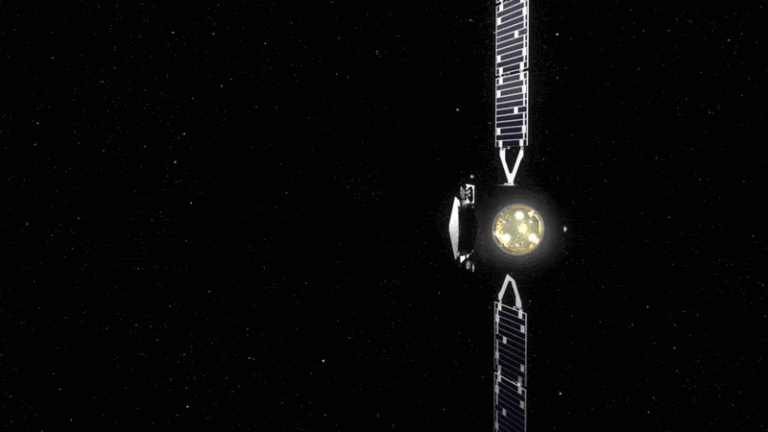
ESA’s Hera Spacecraft Spots Target Asteroid Didymos
Two years after launch, the European Space Agency’s Hera spacecraft has successfully spotted its target binary asteroid system...
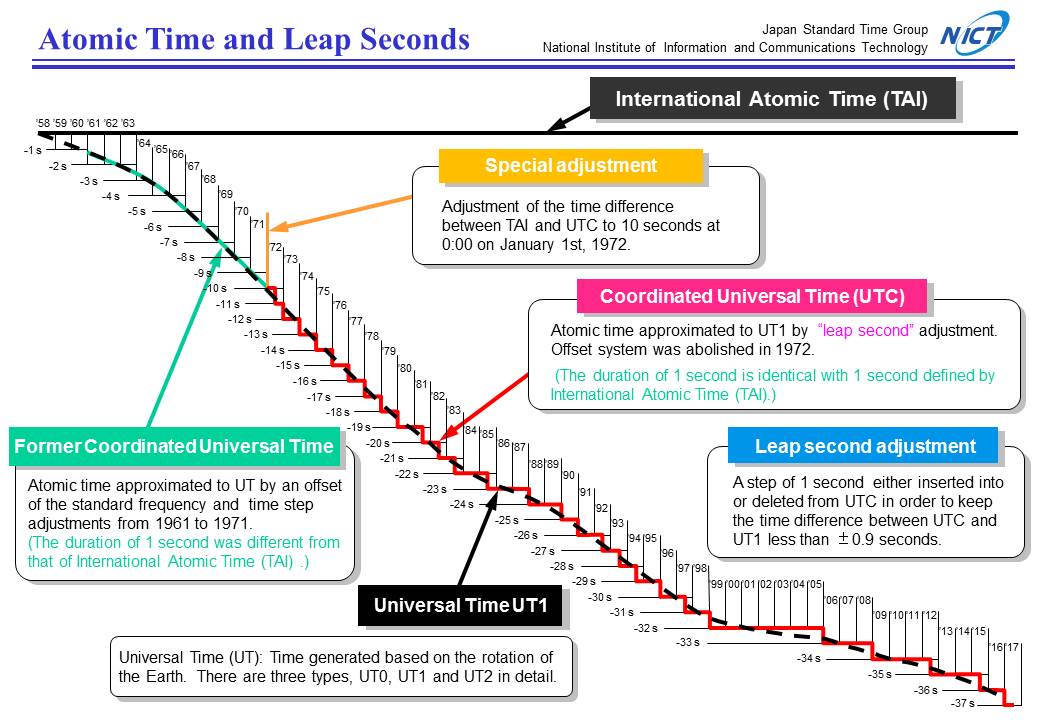
Delegates to Vote on Abolishing Leap Second to Protect Systems
Delegates meeting near Versailles this week will vote on abolishing the leap second, driven by Earth's recent speed-up.
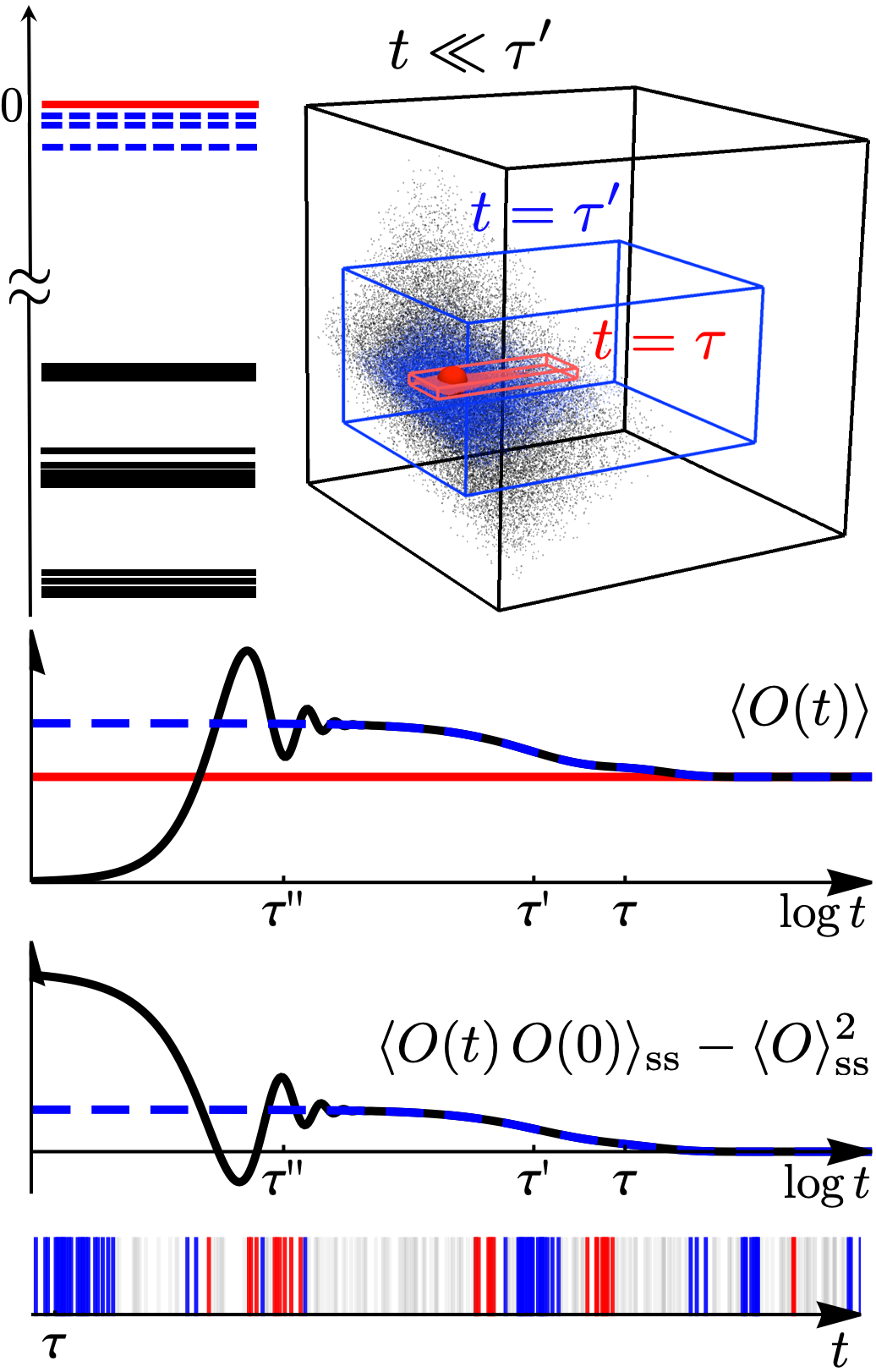
Researchers find quantum systems retain statistical traces of initial states
Researchers at Harvard University, Tampere University, and TU Dresden published findings in Physical Review X on October 11,...
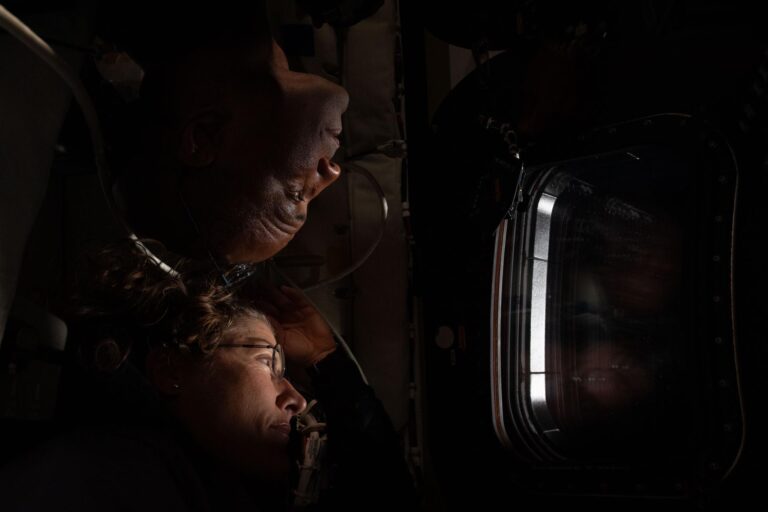
NASA Releases Artemis II Lunar Science Data and Farside Images
NASA released nearly a terabyte of Artemis II science data and reports on Wednesday, featuring 11,000 images, audio...