Singapore-Led Resolution on Navigational Rights and Maritime Security
According to the Maritime and Port Authority of Singapore (MPA), the initiative was co-sponsored by 30 nations, including Indonesia and Malaysia, signaling a broad regional consensus on the necessity of maintaining predictable sea lanes. The resolution also reiterates the importance of complying with regulations and standards adopted by the IMO, highlighting the organization's role in promoting a stable, predictable, and rules-based maritime order.

The text of the resolution emphasizes the human element of the crisis, specifically calling for the protection of the health, safety, and well-being of seafarers who remain critical to the stability of global supply chains. As the MPA stated, “It underscores the importance of international cooperation, dialogue and collective responsibility in keeping vital sea lanes open, secure and accessible.” The authority further noted that the resolution reflects Singapore’s longstanding commitment to upholding international law, adding, “As an open and trade-dependent economy, Singapore supports a stable, rules-based international order to ensure uninterrupted global trade, resilient supply chains and food and energy security.”
Regional Commitments and Divergent Maritime Priorities
Khamis bin Mohammed Al Shammakhi, Transport Undersecretary at the Ministry of Transport, Communications and Information Technology, used the session to reaffirm the Sultanate’s unwavering commitment to the freedom of maritime navigation in line with the principles of international law. In a statement delivered at the session, Al Shammakhi underscored Oman's commitment to safeguarding the security and safety of international shipping routes, protecting lives at sea, and ensuring the uninterrupted flow of global trade. On the sidelines, the Omani delegation held talks with the IMO Secretary-General to discuss strengthening cooperation in maritime security, marine environmental protection, and responding to evolving maritime challenges.
A delegation led by the Deputy Minister of Transport for Maritime Transport and the Head of the Maritime Transport and Logistics Sector, alongside Egypt’s Permanent Representative to the IMO, participated in discussions stressing the importance of greater transparency, equitable geographical representation within the IMO Secretariat, human resource development, and enhanced multilingualism. In the coming days, the Council is expected to consider two Egyptian proposals: one seeking to expand Arabic-language access to the IMO’s Global Integrated Shipping Information System (GISIS), and a second focused on strengthening the protection of international shipping lanes to enhance maritime safety and security.
Qatar to Host World Maritime Day 2028
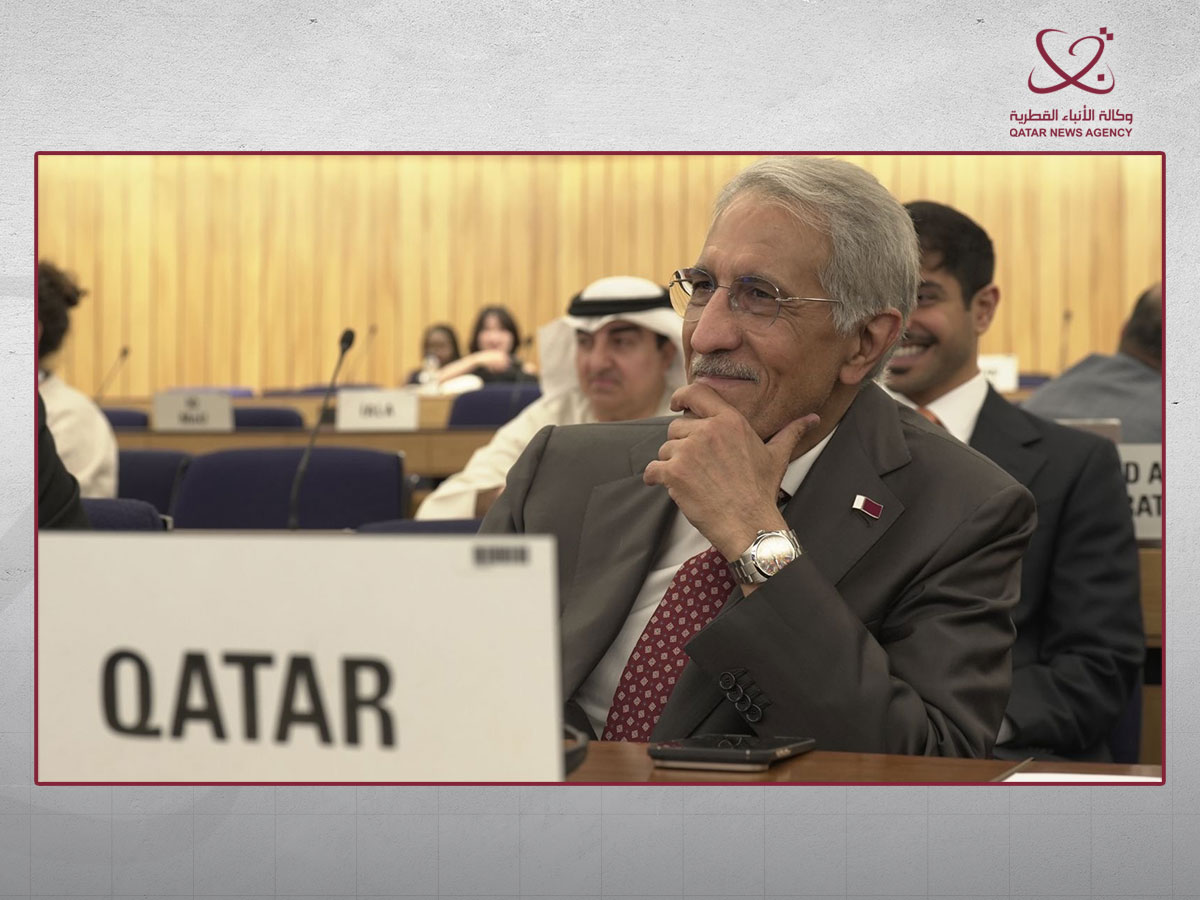
Beyond security resolutions, the IMO Council officially approved Qatar’s bid to host the World Maritime Day 2028 event. HE Ambassador of the State of Qatar to the United Kingdom and Permanent Representative of the State of Qatar to the IMO, Sheikh Abdullah bin Mohammed bin Saud Al-Thani, thanked member states for their confidence and support. His Excellency emphasized the State of Qatar’s keenness to organize a distinguished event that contributes to supporting the goals of the IMO and enhancing international cooperation and the exchange of experiences in the maritime sector. Egypt has publicly voiced its support for Qatar’s bid, reaffirming Cairo’s full backing for the proposal.
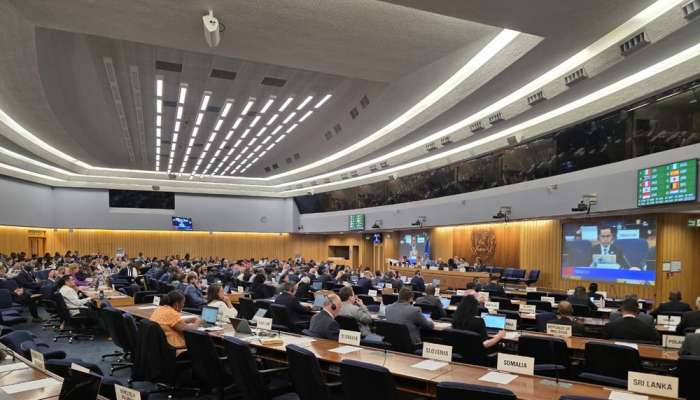
World Maritime Day is an international platform that brings together government officials, maritime sector leaders, and representatives of international organizations, academic institutions, and the private sector to discuss issues, challenges, and future opportunities facing the global maritime sector. Such events include dialogue sessions and specialized presentations highlighting the priorities of the IMO, contributing to efforts aimed at developing the maritime transport sector and achieving maritime sustainability.
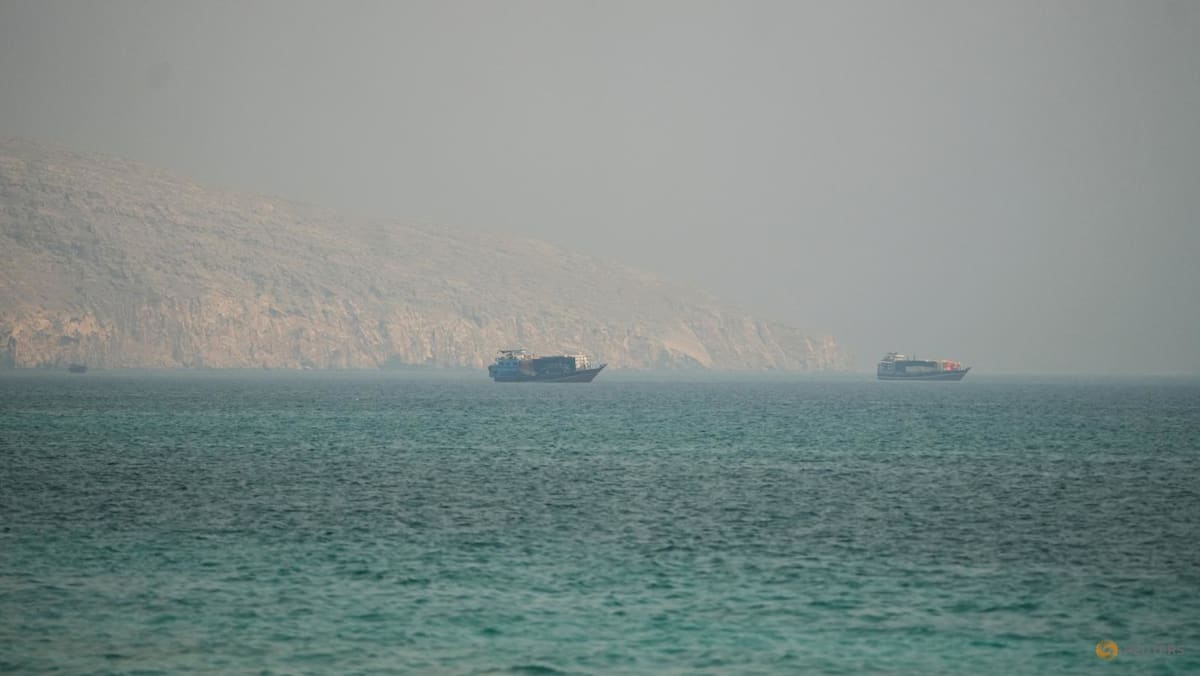
Overall daily traffic in the Strait of Hormuz in the Middle East has slowed following Iranian attacks on commercial vessels and US retaliatory strikes on Iran. Iran has been exercising control over the strait, despite an interim truce with the US signed on Jun 17. The strait handled about a fifth of global oil supplies before US-Israeli strikes on Iran triggered the war in February.
Find more reporting in our World section.
Trump Weighs Yemen Strikes After Houthi Attacks Close Saudi Airport
Saudi Arabia closed Riyadh's international airport and reported 12 deaths and 309 injuries after a Saturday missile strike,...

China’s Gold Reserves Grow as Consumer Imports Hit Record Levels
China extended its gold accumulation program in September, boosting official reserves by 23 tonnes while global central banks...
Baltic States Urge EU-Wide Ban on Russian Grain Transit
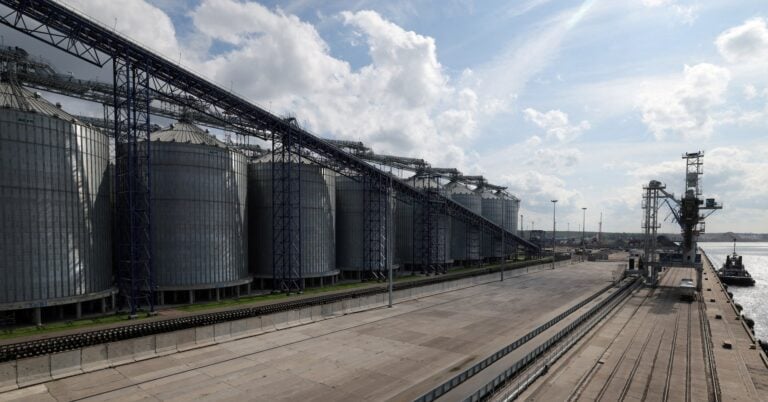
Lithuania, Latvia, and Estonia have petitioned European Union leaders for a bloc-wide ban on Russian grain transit, aiming...
Ethiopian Federal Forces and Intelligence Officials Enter Mekelle
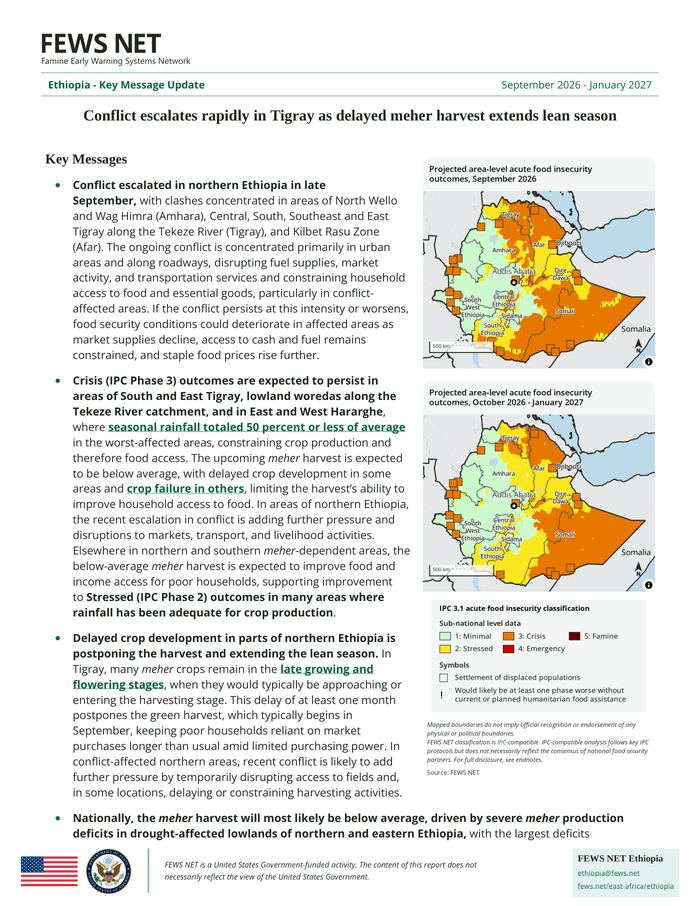
Ethiopian federal forces and intelligence officials entered Mekelle on October 11, 2026, following the withdrawal of rebel groups...