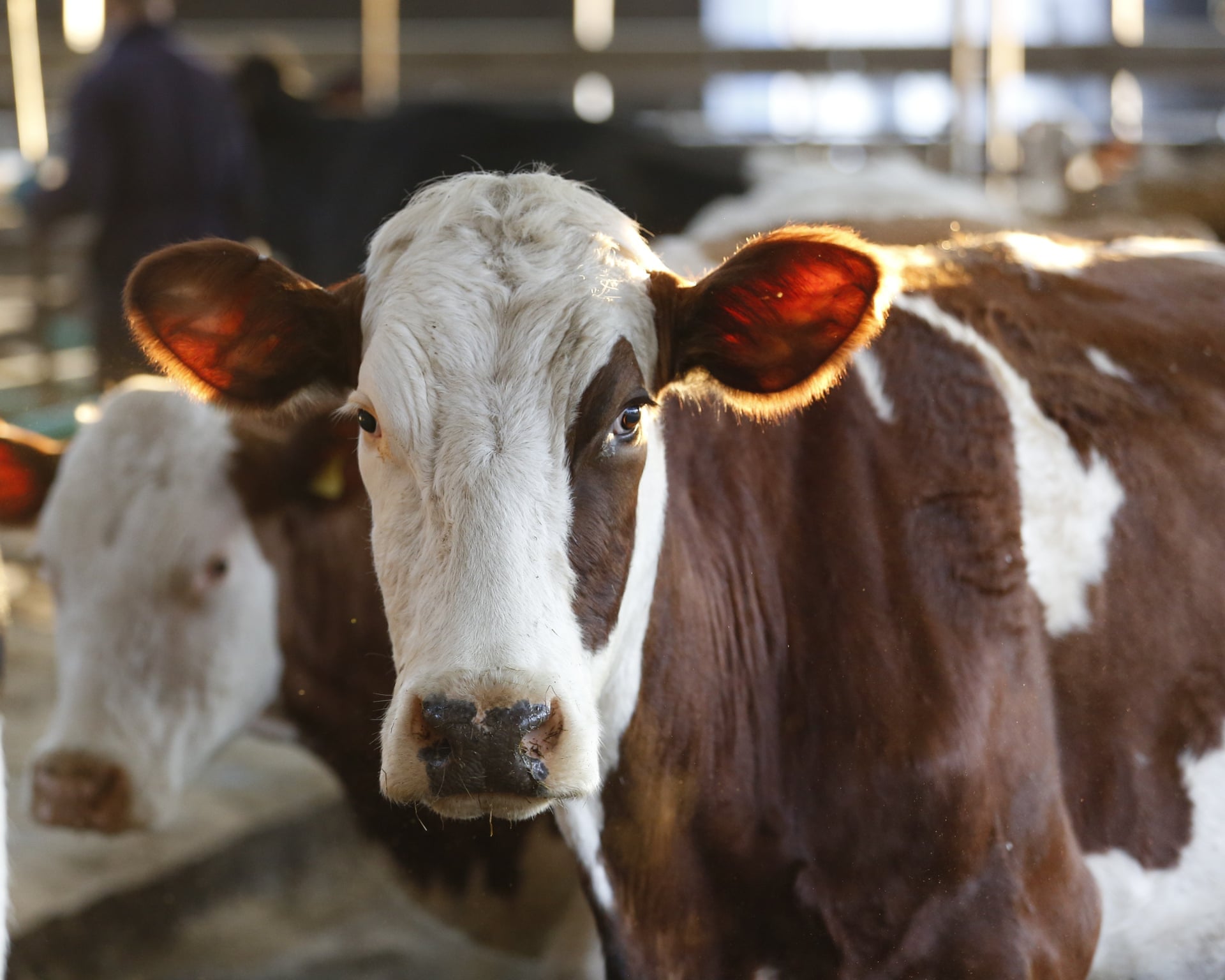
British farming is facing its worst bluetongue season on record, with Defra recording 2,201 cases by early autumn. The viral disease, spread by biting midges, has triggered steep spikes in livestock mortality across the South West, sparked urgent vaccine imports, and raised serious alarms regarding animal fertility and farm business survival.
Great Britain’s ongoing bluetongue epidemic has accelerated sharply, more than doubling in less than three weeks during September. Government figures updated on September 28 confirmed 2,124 premises across the country affected by the virus, with an additional 1,112 potential cases remaining under investigation by agricultural authorities. The current scale of the infection dwarfs previous years. Defra data shows that the 2026–27 season—which officially runs from July 1, 2026, to June 30, 2027—has already surpassed the total number of cases recorded over the past three seasons combined. Devon remains the hardest-hit county with 872 confirmed premises, followed by Cornwall with 250 and Somerset with 156. In Wales, Powys has reported 65 cases, Carmarthenshire 57, and Pembrokeshire 36, while Scotland has recorded 38 cases, the majority in Dumfries and Galloway.
Mortality Surges in Devon and Somerset as Fallen Stock Numbers Rise
The rapid expansion of the serotype 3 (BTV-3) strain has left clear physical marks on rural communities. Data supplied to Farmers Weekly by the National Fallen Stock Company reveals that adult sheep collections in Devon surged from 159 to 652 in August—a 310% increase compared to the previous year—while Somerset recorded a 228% rise with 357 collections, up from 109 in August 2025. Across the country, the company collected 9,404 adult sheep in August 2026, a 6.2% increase from the 8,854 collected during the same period in 2025.

Phil Stocker, chief executive of the National Sheep Association, noted that while some flocks escaped lightly, others reported devastating losses reaching up to 30% within individual groups of sheep. Beyond mortality, farmers face steep disposal costs reaching up to £25 per ewe, alongside mounting veterinary bills and labor pressure. Mandy Nevel, AHDB head of animal health and welfare, noted that while the NFSCo figures do not record a specific cause of death, the rise in mortality coincides with the BTV-3 expansion, likely compounded by heat stress from recent weather patterns.
“In my last 25 years of farming, I’ve never known anything quite like it. You’d go out each day, you’d never really know quite what you were going to find. Poorly sheep, the odd dead sheep. I’ve never seen sheep of the flock lose conditions so quickly. Quite a traumatic time, really.”
Cllr Adrian Parsons, Cornwall councillor and farmer
The virus, which originated in Africa and has spread to Europe over the last two decades, is linked by the World Organisation for Animal Health to climate breakdown. Cllr Parsons, who has been forced to treat animals for secondary infections as there is no cure for the virus, noted that even surviving rams are showing reduced fertility, threatening the upcoming breeding cycle. The disease has also crossed national boundaries for the first time, reaching as far north as Aberdeenshire in Scotland.

Parliamentary Scrutiny and Vaccine Supply Bottlenecks
The House of Commons’ Environment, Food and Rural Affairs Committee sought answers from the Animal and Plant Health Agency (APHA) and the Veterinary Medicines Directorate (VMD) regarding why vaccine and testing capacity were limited. In a letter to the committee, APHA CEO Richard Lewis and VMD CEO Abi Seager stated that the outbreak’s nature, exacerbated by extreme weather, presented new challenges.
Private vets in England are now authorized to diagnose clear-cut cases without waiting for laboratory confirmation to speed up the process. Despite these efforts, Robyn Munt, vice-president of the National Farmers’ Union, described the vaccine procurement as a "really challenging" demand-led process that adds significant stress to farm businesses already struggling with drought-related costs.

Long-Term Threats to Livestock Fertility Across Exmoor and Beyond
To combat potential ram infertility, the Exmoor Hill Farming Network secured funding through Exmoor’s Farming in Protected Landscapes programme to provide 50 local farming businesses with £100 vouchers toward ram fertility testing. Those interested in the scheme or wishing to report potential cases may contact the network at 01643 841455 or [email protected].
Meanwhile, government bodies emphasize that meat and milk from infected animals remain entirely safe for human consumption. Trevor Cliggs, a farmer in north-west Dorset, reported that three cases developed within his flock during this 10-day window. DAERA Minister Andrew Muir has also urged Northern Ireland keepers to remain vigilant, as the disease could be present in herds without exhibiting immediate signs. Livestock keepers who suspect the virus should report it immediately to their local veterinary authorities for assessment.
Related reading
Stanford Researchers Develop uRARE-seq Urine Test for Bladder Cancer
Researchers at Stanford Medicine and the VA Palo Alto Health Care System have developed a non-invasive urine test...
MSF Doctor Evacuated to Netherlands After Testing Positive for Ebola
An Médecins Sans Frontières staff member working on the Ebola response in the Democratic Republic of Congo has...

Study Links Early Smartphone Use to Eating Disorders in Teens
“When a child whose brain is not yet capable of mature impulse control is pitted against an algorithm...

Nobel Prize in Literature Frontrunners Emerge Ahead of October 8 Announcement
As global betting markets and publishers name top contenders for the 2026 Nobel Prize in Literature ahead of...