
Dietitians Outline Candy Limits and Healthy Alternatives for Halloween
Topeka, Kan. (WIBW) reported on October 29, 2026, that dietitians at Stormont Vail Weight Management are advising residents to enjoy Halloween treats in moderation by setting aside a few favorites and tucking the rest out of sight to curb all-day snacking.
The guidance addresses the annual post-holiday reality for households navigating piles of accumulated sweets. Brittany Smith, a registered dietitian with Children’s Health, noted in separate coverage by Children’s Health that children should aim for less than 25 grams, or about 6 teaspoons, of added sugar each day. Smith stated that excessive sugar intake can lead to childhood overweight and obesity, which increases the risk for chronic conditions such as diabetes and non-alcoholic fatty liver disease, adding that an average fun-size candy bar contains 8.5 grams of sugar.
Establishing Meal Strategies and Portion Rules
To prevent children and adults from filling up exclusively on sweets during trick-or-treating, the Stormont Vail dietitians recommend eating a balanced meal beforehand. That meal should incorporate lean protein, vegetables, and whole grains, such as a bowl of chili with cheese and whole-grain crackers. Rather than grazing on candy throughout the day, the dietitians advise making a couple of pieces of candy part of a meal as dessert.
Children’s Health outlines a similar approach, suggesting that parents sit down with their children to establish clear rules on candy consumption. Smith recommends allowing children to select one or two pieces from their bucket each day while keeping clear guidelines in place. Smith also advises parents to avoid sugar-free candy, noting that such products are not calorie-free, often contain more fat, and can trigger side effects like stomach pain and diarrhea.
Managing Excess Inventory and Non-Food Treats
Families looking to clear surplus sweets out of the house have several options. The Stormont Vail dietitians point out that extra candy can be given away through dentist buyback programs, donated to organizations, or shared with coworkers.
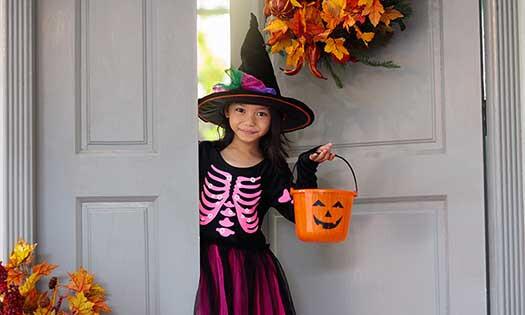
Children’s Health offers additional strategies for reducing sugar consumption, including swapping a child’s trick-or-treat bounty for a small toy, book, or prize after a week. Smith also suggests stocking up on non-food treats for trick-or-treaters—such as bouncy balls, spider rings, temporary tattoos, and themed bubbles—which can also accommodate children with food allergies. Furthermore, families can shift the focus toward sugar-free activities like pumpkin carving, spooky treasure hunts, face painting, and themed games.

Manhattan Prosecutors Charge Defendants in 7 Million SNAP Fraud Scheme
New York EBT Fraud Scheme Drains Over $7 Million in SNAP Benefits A group of defendants operating what...

2025 Hyundai Santa Fe Hybrid SEL AWD Manufacturer Buyback Low Miles
Low-Mileage Hybrid Arrives With Buyback Status The 2025 Hyundai Santa Fe Hybrid SEL AWD has arrived at Rand's...

Dade County High School Principal Brent Cooper Arrested on Sex Charges
Dade County High School Principal Brent Cooper Arrested on Two Counts of Improper Sexual Contact Dade County High...

Bristol, New Hampshire, Features 12 Historic Central Square Buildings
The 12 Historic Buildings Defining Bristol's Central Square Twelve historic buildings anchor the Central Square Historic District in...