
Domestic political crises shadowed the ASEAN-plus and APEC summits in Manila and Shenzhen last week, East Asia Forum reported.
Philippine President Ferdinand Marcos Jr. arrived at the Manila meetings while pursuing impeachment moves against Vice President Sara Duterte and after allowing her father, former President Rodrigo Duterte, to face trial at the International Criminal Court.
Indonesian President Prabowo Subianto flew to Manila after purging his administration of figures linked to predecessor Joko Widodo, including Widodo’s son, former Vice President Gibran Rakabuming Raka. U.S. President Donald Trump attended as a lame duck following midterm elections that handed Congress to Democrats, limiting his ability to deliver binding agreements.
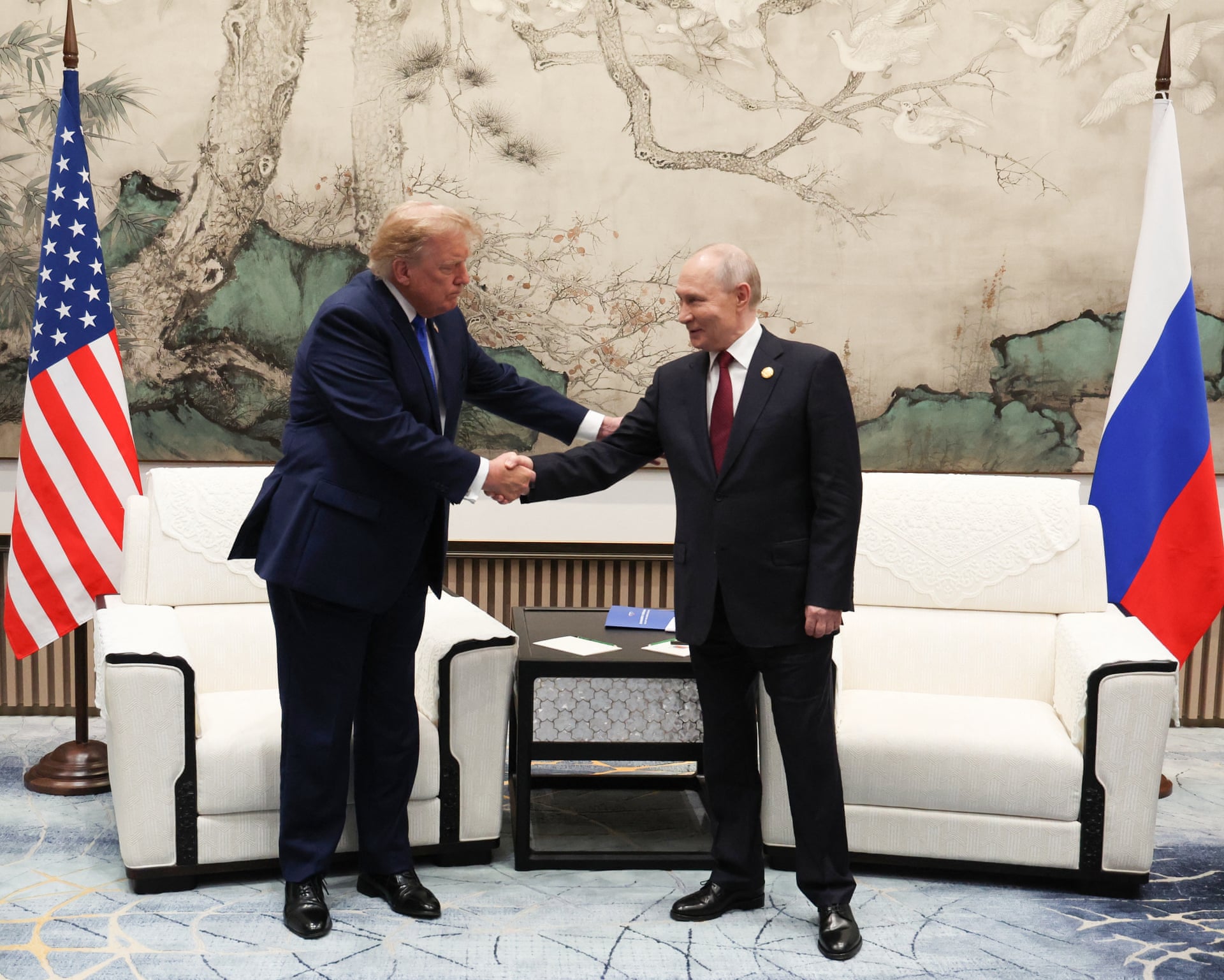
Trump landed as the ASEAN summit concluded, joined the first Quad leaders’ meeting since 2024, then attended the APEC summit largely as a pretext for a trilateral with Chinese President Xi Jinping and Russian President Vladimir Putin. The trilateral produced no meaningful concessions from Beijing or Moscow, particularly on the Russia–Ukraine war, analysts said. Trump gained a stage appearance, Putin received implicit great-power endorsement, and Xi avoided commitments.

The Quad summit — attended by Trump, Japanese Prime Minister Sanae Takaichi, Australian Prime Minister Anthony Albanese and Indian Prime Minister Narendra Modi — kept the grouping alive with announcements on critical minerals, artificial intelligence and military cooperation.
Analysts noted the outcomes largely repackaged existing initiatives, East Asia Forum reported. Modi, who skipped the 2025 ASEAN summits in Kuala Lumpur over domestic commitments and trade friction with Trump, used the Manila meetings to broaden India’s “Act East” and Indo-Pacific policies, The Hindu reported.
Prabowo’s October 2026 cabinet reshuffle replaced Foreign Minister Sugiono, a Prabowo protege, with senior career diplomat Arrmanatha Nasir. The return to a technocratic foreign minister may allow the bureaucracy to reassert Indonesia’s traditional “free and active” diplomacy, though Prabowo’s realist convictions still shape the country’s approach.
Whether Nasir can press Prabowo to sustain Indonesia’s leading role in ASEAN-based economic, climate and security initiatives remains uncertain, East Asia Forum reported.
Prime Minister Narendra Modi attended the ASEAN-India Summit, East Asia Summit and Quad Leaders’ meeting on the sidelines of the ASEAN summits in Manila, The Hindu reported. He was accompanied by External Affairs Minister S. Jaishankar, National Security Adviser Ajit Doval and Foreign Secretary Vikram Misri during the Quad session.
The East Asia Forum Editorial Board, based at the Crawford School of Public Policy in the College of Law, Policy and Governance at the Australian National University, assessed the Manila and Shenzhen summits as coloured by leaders’ domestic political baggage. It reported a palpable shift in atmospherics: growing certainty about the dismal outlook for Trump and MAGA Republicanism after the US midterm elections.
Middle powers expected to drive regional integration are preoccupied with domestic economic challenges. In Japan, Takaichi maintains fiscal stimulus while the Bank of Japan and bond markets signal restraint. In Australia, stubborn inflation and flat productivity have left real wages declining. Across Southeast Asia, economic dissatisfaction is turning voters against incumbents, limiting bandwidth for multilateral leadership.
“Does little to address the more substantial risk to his hold on power: an electorate increasingly fed up with his mismanagement of Indonesia’s economic challenges,” East Asia Forum reported of Prabowo’s purge.
Keep reading
UN Climate Talks Collapse at COP31 in Antalya Over Cover Decision
UN climate talks in Antalya collapsed Sunday after nearly 200 countries failed to adopt a cover decision for...

Timor-Leste Claims Chinese and Russian Interest in Greater Sunrise as Analyst Warns of Sovereignty Risk
Woodside Energy sold its 33.4% stake in Greater Sunrise to Timor-Leste last month, leaving the government with near-total...

Sheila Mangubat, ’90 Day Fiancé’ Star, Dies at 35 in Philippines
Sheila Mangubat, who appeared on Season 6 of TLC's 90 Day Fiancé: Before the 90 Days, died Saturday...
UK Right and Labour Condemn Trump Over ‘My Friend’ Putin Post
British political leaders across the right have broken with Donald Trump after the US president posted a photograph...