
Democrat Dr. Annie Andrews defeated Republican Sen. Darline Graham on Tuesday night to capture South Carolina’s U.S. Senate seat, flipping a long-held Republican stronghold and becoming the first woman ever elected to the U.S. Senate from the Palmetto State, FOX Carolina reported.
The Senate contest was the marquee race of South Carolina’s Nov. 3 midterm elections, a high-stakes battle that drew national attention because the outcome could help determine which party controls the chamber. Graham, who had stepped into the seat after the death of her brother, longtime Sen. Lindsey Graham, faced Andrews in a race that stayed neck-and-neck until Election Day. Andrews pulled ahead early in the counting, and news outlets called the race in her favor, marking a seismic shift in a state that had sent Republicans to the Senate for decades, Greenville Online reported.
Beyond the Senate, voters across South Carolina delivered a mixed but decisive slate of results that will shape the state’s politics for years. Republican Attorney General Alan Wilson won the governor’s mansion, keeping the executive office in GOP hands as he succeeds outgoing Gov. Henry McMaster. In the 4th Congressional District, incumbent Republican U.S. Rep. William Timmons secured a fifth term, fending off a challenge from Democrat Courtney McClain. And turnout shattered expectations, with state officials confirming that South Carolina broke two voter participation records, surpassing 30-year highs for both total ballots cast and the percentage of registered voters who showed up, according to FOX Carolina.
A Senate Seat Changes Hands After Lindsey Graham’s Death
The Senate race carried unusual weight this cycle. The seat became vacant over the summer following Lindsey Graham’s death, and his sister Darline Graham ran to hold it for the Republican Party. Andrews, a Democrat, campaigned on flipping the seat, and her victory Tuesday delivers exactly that. FOX Carolina noted that Andrews also defeated Libertarian candidate Dr. Kasie Whitener in the three-way contest. The result hands Democrats a rare pickup in a deep-red state and gives the party a crucial vote in a closely divided Senate.
Alan Wilson Wins Governor’s Race, Promises Open Door
In the governor’s race, Alan Wilson cruised to victory over state Rep. Jermaine Johnson, a Democrat from Richland County, after a competitive contest. Johnson conceded late Tuesday night, according to FOX Carolina, which reported that Wilson will become South Carolina’s first new governor in nearly a decade. Speaking after his win, Wilson struck a conciliatory tone:
“I do not care if you are a Republican, a Democrat or an independent or something else,” Wilson said. “I will always be open to hear any point of view.”
Greenville Online reported the same outcome, noting Wilson’s win secures the Republican hold on the governor’s office.
Dr. Annie Andrews defeats Darline Graham in U. S. Senate race in South Carolina, the first Democrat in the state to win in decades. https://t.co/szC4uBdNpC pic.twitter.com/N4CqLRlEv2
Timmons Secures Fifth Term in 4th District
Upstate voters also decided several key races. In the 4th Congressional District, covering Greenville and Spartanburg counties, William Timmons won re-election to a fifth term, defeating Courtney McClain, FOX Carolina reported. Greenville Online directed readers to its site for full results across Greenville, Spartanburg and Anderson counties, while the state’s official portal, scvotes.org, hosts the complete list of winners statewide.
The driving force behind the night’s drama was turnout. As of 6 p.m. Tuesday, state officials said South Carolina had officially broken two voter turnout records, topping 30-year highs for both the raw number of ballots cast and the share of eligible voters participating, FOX Carolina reported. That surge helped push several races into late-night counts, with many contests called only after polls closed and returns rolled in across the state.

Results Remain Unofficial Until Certification
Despite the calls, none of Tuesday’s results are final. Greenville Online cautioned that races remain “unofficial” until the South Carolina Election Commission certifies them, a process that could take days and possibly weeks in the closest contests. Voters eager for certified numbers can track the process through the state election commission and scvotes.org.
What happens next is already on the calendar: the South Carolina Election Commission will begin the certification process in the coming days, and once complete, the newly elected officials—from Andrews in Washington to Wilson in Columbia—will take their seats. For a state that just broke its own turnout records, the message from Nov. 3 is clear: South Carolinians showed up in force, and they delivered a Senate seat that had been red for generations straight into Democratic hands.
More on Darline Graham
Keep reading

Democrats Win Historic Blue Tsunami Taking Control of Congress and Pennsylvania
Democrats seized control of both chambers of Congress, flipped at least seven U.S. Senate seats in states once...

Letters to Santa Event Set for Dec. 3 at Columbus Community Hospital
Columbus Community Hospital in Columbus, Neb., welcomes families to holiday fun at its annual Letters to Santa event...
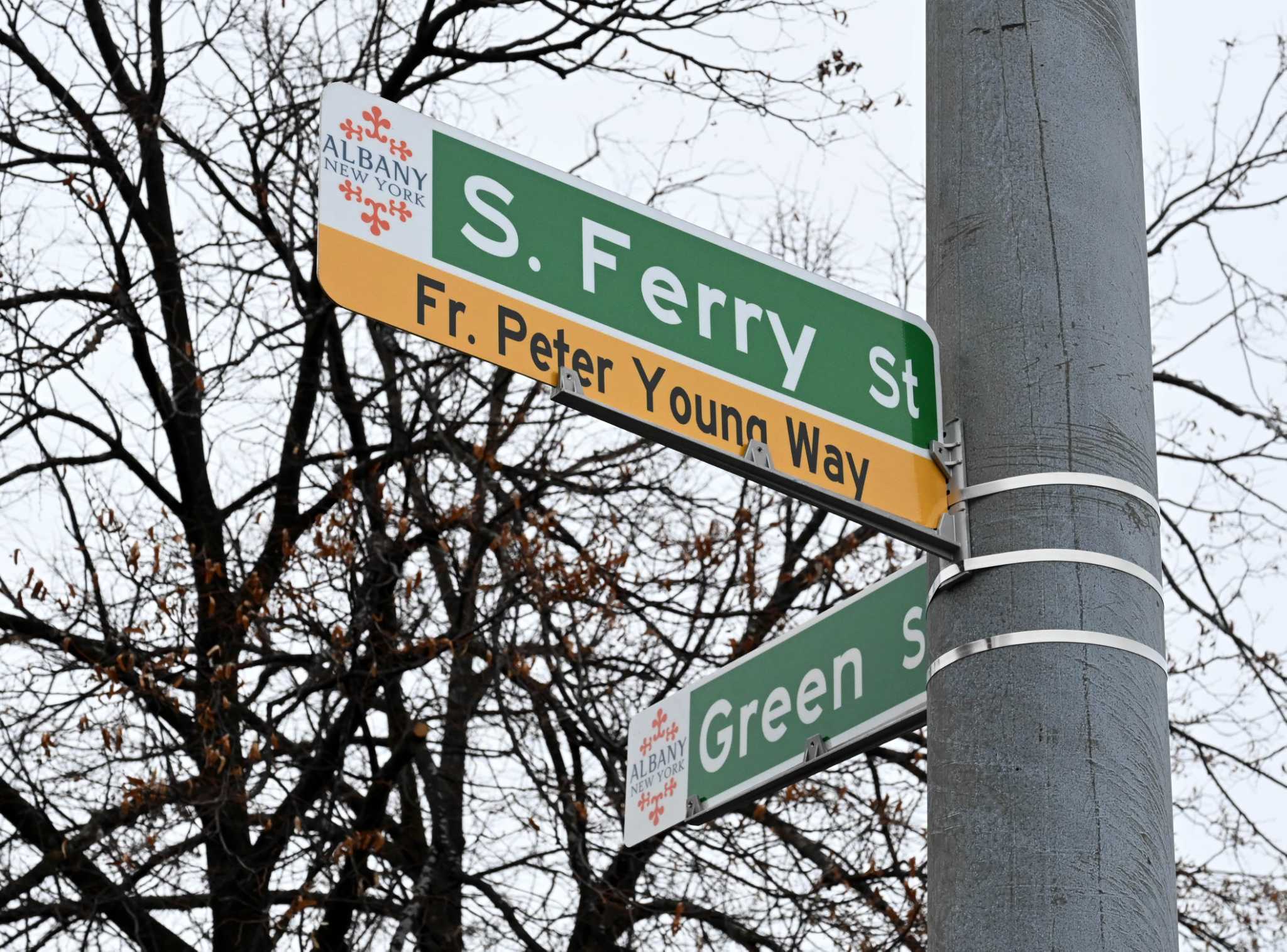
Editorial: Albany’s living street-naming policy risks losing honor, dignity
In a column for the Times Union, the newspaper's editorial board argues that Albany's decision to begin naming...

Democrats Sweep Oklahoma County Elections, Jail Tax Rejected
Oklahoma County voters delivered a stinging rebuke to county leadership on Tuesday, rejecting a proposed sales tax to...