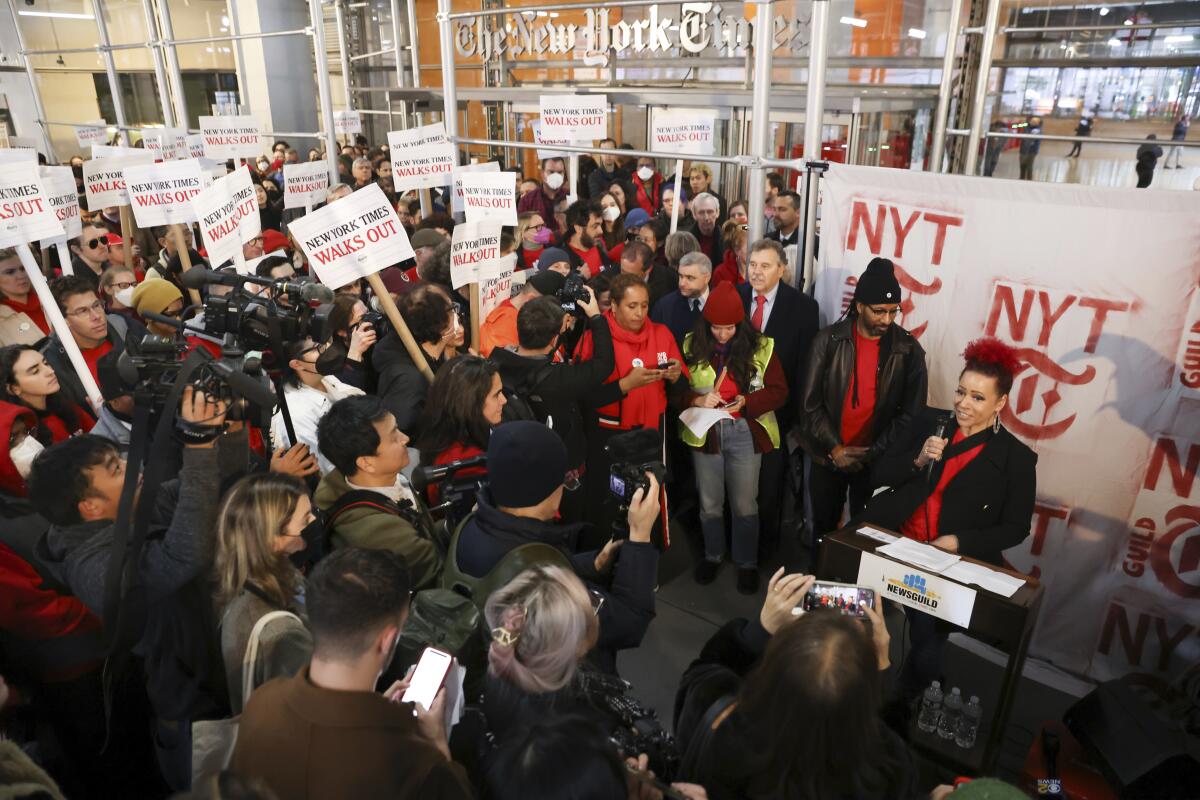
Escalating Tensions Over Federal Information Access
The relationship between the executive branch and national news organizations has reached a precarious point. Recent reporting from The New York Times underscores a broader trend of federal entities challenging traditional media access and investigative processes. As officials continue to prioritize the security of high-level government assets—such as the new Air Force One, which experts note lacks defensive countermeasures found in previous models—the administration has actively defended its operational security decisions. This creates a friction point where the public’s interest in government transparency frequently clashes with the government’s desire for operational secrecy.
Shifting Regulatory Environments and Corporate Accountability
Beyond direct confrontations with the press, the current political landscape is marked by significant regulatory shifts that impact both environmental and civil rights reporting. According to The New York Times, the Trump administration has moved to end a 50-year-old protection policy, opening wild habitats to drilling and mining. This policy change, which environmentalists fear will hasten the demise of imperiled animals, represents a fundamental reversal of federal land management strategies.

The intensity of these shifts is mirrored in the legal and social spheres. In Houston, for example, authorities are investigating the death of a Mexican immigrant killed by an ICE agent. The agency maintains that the individual attempted to ram agents with a van, a claim explicitly contested by a lawyer representing the passengers. This divergence in narratives highlights the role of the press in verifying official accounts against independent legal testimony, a task that has become increasingly difficult as institutional trust wanes.
The Intersection of Artificial Intelligence and Market Volatility
The economic impact of these policy and social changes is being felt across diverse sectors, from the tech-heavy housing markets of San Francisco to the global energy industry. In San Francisco, the influx of wealth derived from artificial intelligence has created what some describe as hysteria
within the local housing market. This localized economic pressure serves as a microcosm for broader national instability, where rapid technological adoption outpaces regulatory frameworks.
This economic volatility is compounded by the global nature of current events. From the death of Argentine rock icon Indio Solari to the ongoing struggle in Estonia to manage the emergence of new, dangerous drugs following the country’s previous success in curbing fentanyl, the media is tasked with tracking disparate threads of global change. The challenge for The New York Times and other outlets is to maintain consistent, investigative coverage of these issues while facing direct subpoenas and political pressure that threaten to impede the newsgathering process.
Unresolved Questions in a Divided Political Climate
With the regime in Iran facing its own internal power vacuum following the absence of the Supreme Leader, the global context suggests that challenges to established authority—and the media's role in documenting them—are not confined to any single nation.
Find more reporting in our Business section.

Guernsey introduces £10 weekly savings for children in care
A new government savings scheme will set aside £10 a week for children in care in Guernsey, giving...

Stocks Rise as AI Earnings Boost Markets, France’s Bond Yield Hits 5%
Global stock markets climbed on Wednesday as strong corporate earnings countered French 10-year bond yields hitting 5% for...
Abbott Cuts 2026 Sales View, Plans Spin-Off by 2027
Abbott Laboratories lowered its full-year 2026 sales growth forecast on Wednesday and announced plans to spin off its...

CNBC Daily Open: Tech investors buy the dip – but debt remains a concern
Following a bruising weekly rout, the tech-heavy Nasdaq Composite rose 1.11% on Monday as investors returned to artificial...