
A dangerous, long-duration heat wave is gripping the central and eastern United States, with record-breaking temperatures expected to persist through the July Fourth holiday weekend.
Record-Breaking Temperatures Across the U.S.
The National Weather Service has warned that a dangerous heat wave is building over the eastern two-thirds of the United States. Meteorologist Nikki Nolan of CBS News reports that cities including New York City, Philadelphia, Baltimore, and Washington, D.C., are projected to reach record highs in the 100s. The event is characterized by its scale and intensity, with more than 100 record highs and approximately 250 record-warm overnight lows expected to be set by Saturday night.
The danger is compounded by high humidity, which pushes the heat index—the temperature as it feels to the human body—to triple digits. In some areas, this index is forecast to reach 100 to 110 degrees Fahrenheit, with peaks as high as 115 degrees. Nightly lows are expected to remain in the 70s, preventing the typical overnight cooling that helps the body recover from heat stress.
Extreme Heat Warnings in the Central and Eastern States
The National Weather Service defines this heat wave as high temperatures reaching or exceeding 90 degrees for three consecutive days or more. The system is expanding across the central and eastern states, with extreme heat warnings currently active for major cities including Chicago, Detroit, St. Louis, Cincinnati, Kansas City, Des Moines, and Nashville.
Southern regions, specifically Dallas, Little Rock, and Memphis, are also enduring dangerously high temperatures. The atmospheric conditions responsible for this event involve a high-pressure system, or “heat dome,” which traps heat near the ground. Such systems can remain over a region for several days or even weeks, leading to significant impacts on infrastructure and human health as the body’s thermoregulation is overwhelmed by the heat and sunlight.
Fire Weather Risks in the Four Corners Region
The human cost of these conditions has already been realized. On Saturday, three firefighters died and two others sustained burn injuries while battling fast-moving wildfires near the Colorado-Utah border. High winds and dry conditions continue to increase the potential for new, large fires, prompting fire weather alerts across the region.
Broader Trends in Global Heat Events
The current U.S. heat wave arrives as part of a global trend. According to the World Meteorological Organization, heat waves have become more frequent and intense since the 1950s, a development attributed to climate change. The year 2024 saw record-breaking temperatures reported across Europe, North America, and China, with many regions experiencing consecutive days with temperatures exceeding 45 degrees Celsius (113 degrees Fahrenheit).
The economic and social ramifications are significant. Beyond the immediate threat to life, heat waves are known to reduce labor productivity, disrupt agricultural and industrial processes, and strain electrical grids, which can lead to power outages and brownouts. The scientific community continues to refine how these events are measured, with the World Meteorological Organization and the IPCC utilizing indices like the Heat Wave Duration Index to track periods where temperatures significantly exceed the seasonal norm.
Uncertainty in Forecast Durations
While the immediate forecast points to high heat persisting into the next weekend across the Great Plains, the Southeast, and the Mid-Atlantic, the long-term trajectory of this specific heat dome remains a point of observation for meteorologists. With almost the entire country expected to experience above-normal temperatures over the next week to 10 days, the primary question for residents in affected areas is how quickly the high-pressure system will shift or dissipate. As the storm threat continues for parts of the northern Plains, Upper Midwest, and New England, the interaction between these cooling systems and the entrenched heat dome will determine the duration of the current extreme weather event.
Find more reporting in our Science section.

Artemis II Commander Recalls Moment He Feared Being Lost in Space
Artemis II Commander Reid Wiseman recalled a terrifying moment during his ten days in space earlier this year...
Researchers Recreate Planetary Turbulence in Laboratory Experiment
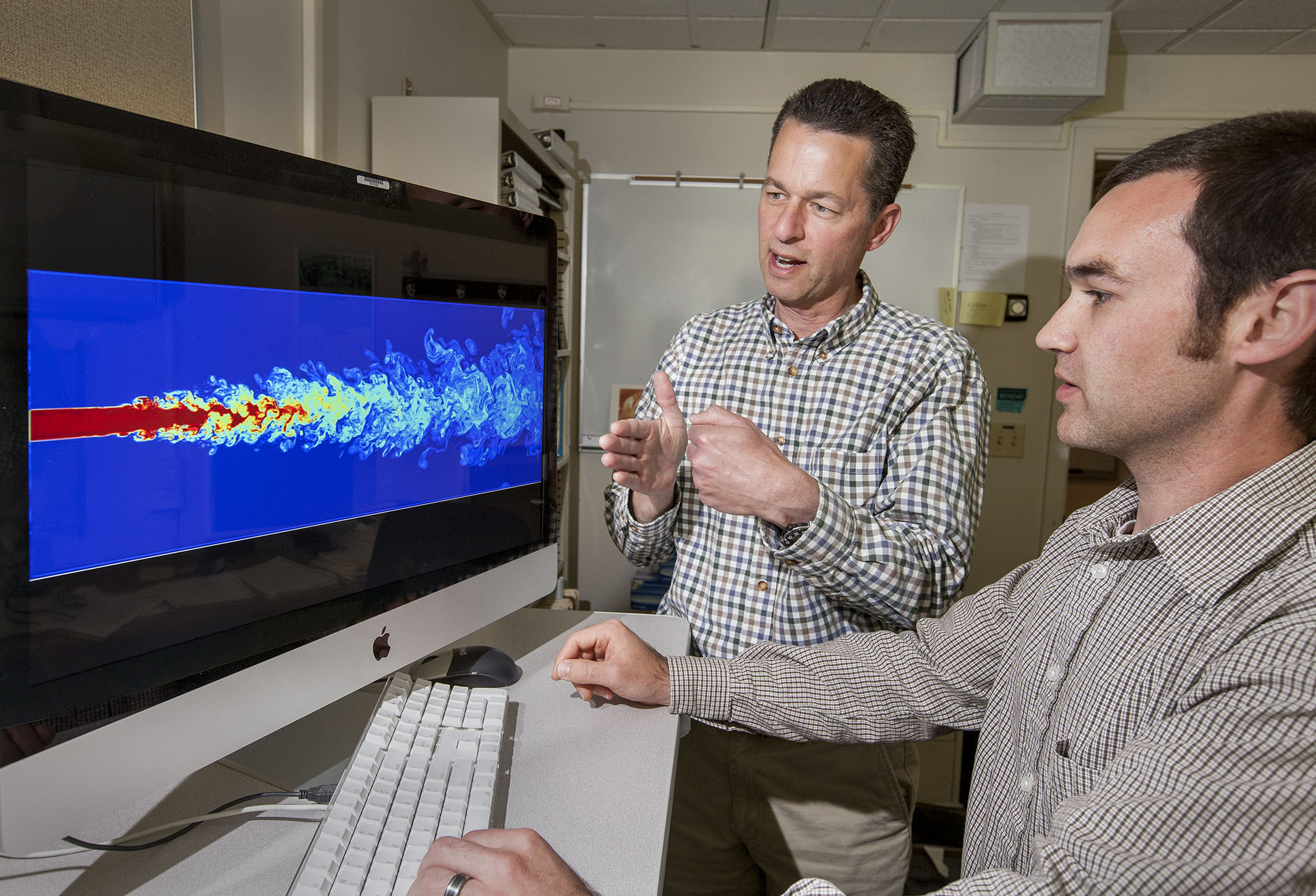
Scientists have successfully recreated an extreme, long-theorized form of planetary and stellar turbulence in a desktop-sized laboratory setting...

Iapetus Moon Visible Near Saturn on Thursday, October 22
Shining at 11th magnitude on October 22, Saturn’s two-toned moon Iapetus is currently passing south of the ringed...

Researchers Find Rock from Papua New Guinea Reveals Unexpected Temperature Reversal
An international research team analyzing a rare metamorphic rock from Papua New Guinea has discovered that tectonic plates...