As Wyoming’s big game hunting season comes to a close, the focus for many outdoorsmen and women is shifting toward the state’s migratory game bird and pheasant season. The Wyoming Game and Fish Department is currently reminding hunters that while the transition between seasons is underway, the regulatory requirements for heading into the field remain strict and specific.
For those preparing to pursue migratory birds, the state mandates a clear set of credentials. Hunters must possess either a daily or a 12-month game bird hunting license, though an exception exists for those under 14 who are accompanied by a licensed adult. Beyond the standard license, hunting sandhill cranes requires a specific permit, and all hunters born after January 1, 1966, are required to carry proof of hunter safety certification. Most licensed hunters over the age of 14 must carry a conservation stamp, with exceptions provided only for those holding daily or specific special licenses.
Securing Permits for Migratory Bird Hunting
The regulatory framework for migratory birds involves both state and federal oversight. To hunt migratory species in Wyoming, individuals must obtain a Wyoming Harvest Information Program (HIP) permit. This permit is free but must be secured through the Game and Fish website. Further, those targeting ducks, geese, or mergansers must secure a Federal Migratory Bird Hunting and Conservation Stamp—widely known as the “Duck Stamp”—which is mandatory for hunters 16 years of age or older.
The state also places a high priority on data collection to manage species health. The North American Bird Banding Program relies on hunters to act as citizen scientists. If a hunter harvests a bird with a leg band, they are instructed to report the band number, species, and location of the harvest to the program to assist in ongoing migratory tracking efforts.
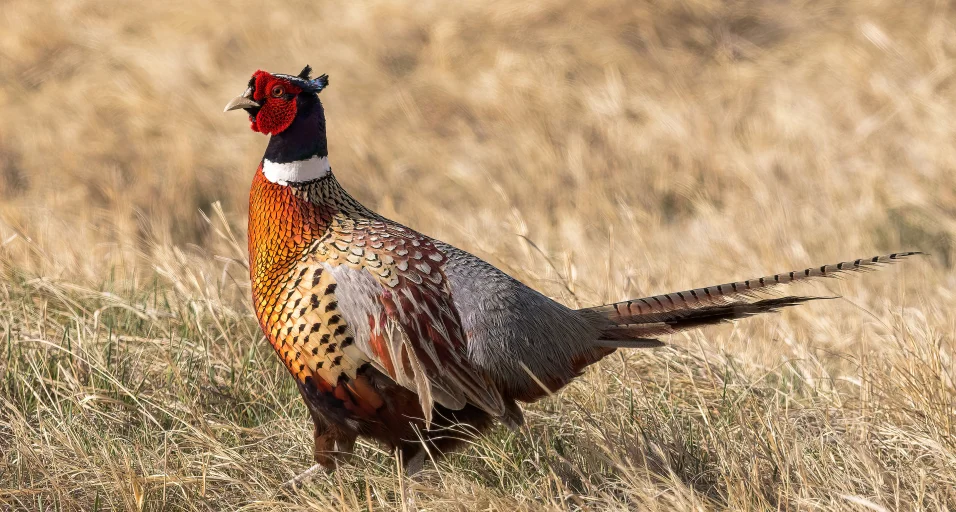
For pheasant hunters, the requirements shift slightly. While the baseline needs for a game bird license, hunter safety proof, and a conservation stamp remain, the state requires a specific permit for hunting pheasant. Those planning to hunt on specific lands must carry a Pheasant Special Management Permit. The department encourages hunters to consult the official Game and Fish regulations to identify which specific areas are exempt from these requirements.
Environmental Conditions and Field Safety
The current state of the season is heavily dictated by the relatively mild fall. Courtney Rudd, a migratory game bird and wetland biologist with Game and Fish, noted that while waterfowl are beginning to move into parts of Wyoming, the migration patterns are highly dependent on conditions further north. “Weather to the north will have to shift significantly colder before larger numbers of birds make the southerly journey to and through Wyoming,” Rudd stated.

Beyond the paperwork and licensing, the department has reiterated a critical safety and environmental mandate: the use of nontoxic shot. This is a non-negotiable requirement for hunting ducks, mergansers, coots, and geese. The same rule applies to anyone using a shotgun to take game birds or small game within the Springer and Table Mountain wildlife habitat management areas.
As the season progresses, the intersection of federal conservation mandates and state-level management continues to shape the experience for Wyoming hunters. For the individual in the field, the responsibility lies in verifying that all permits—from the annual license to the species-specific stamps—are in order before the first shot is taken.

Olympia Personal Injury & Wrongful Death Lawyers | Ron Meyers & Associates
Ron Meyers & Associates Addresses Catastrophic Injury Claims in Olympia For residents of Olympia, Washington, the aftermath of...

GOP Redistricting Efforts Backfire as Democrats Win Key Seats
The Redistricting Gamble That Cost the GOP Congress In a series of aggressive maneuvers that were intended to...

Salt Lake County Reports 65.1% Voter Turnout in 2026 Midterms
In the 2026 midterms, approximately 65.1% of registered voters in Salt Lake County cast ballots, according to figures...

The Collingswood School District’s attempt to close a persistent structural budget deficit hit a
Collingswood Voters Reject $4.56 Million School Funding Bid The Collingswood School District’s attempt to close a persistent structural...