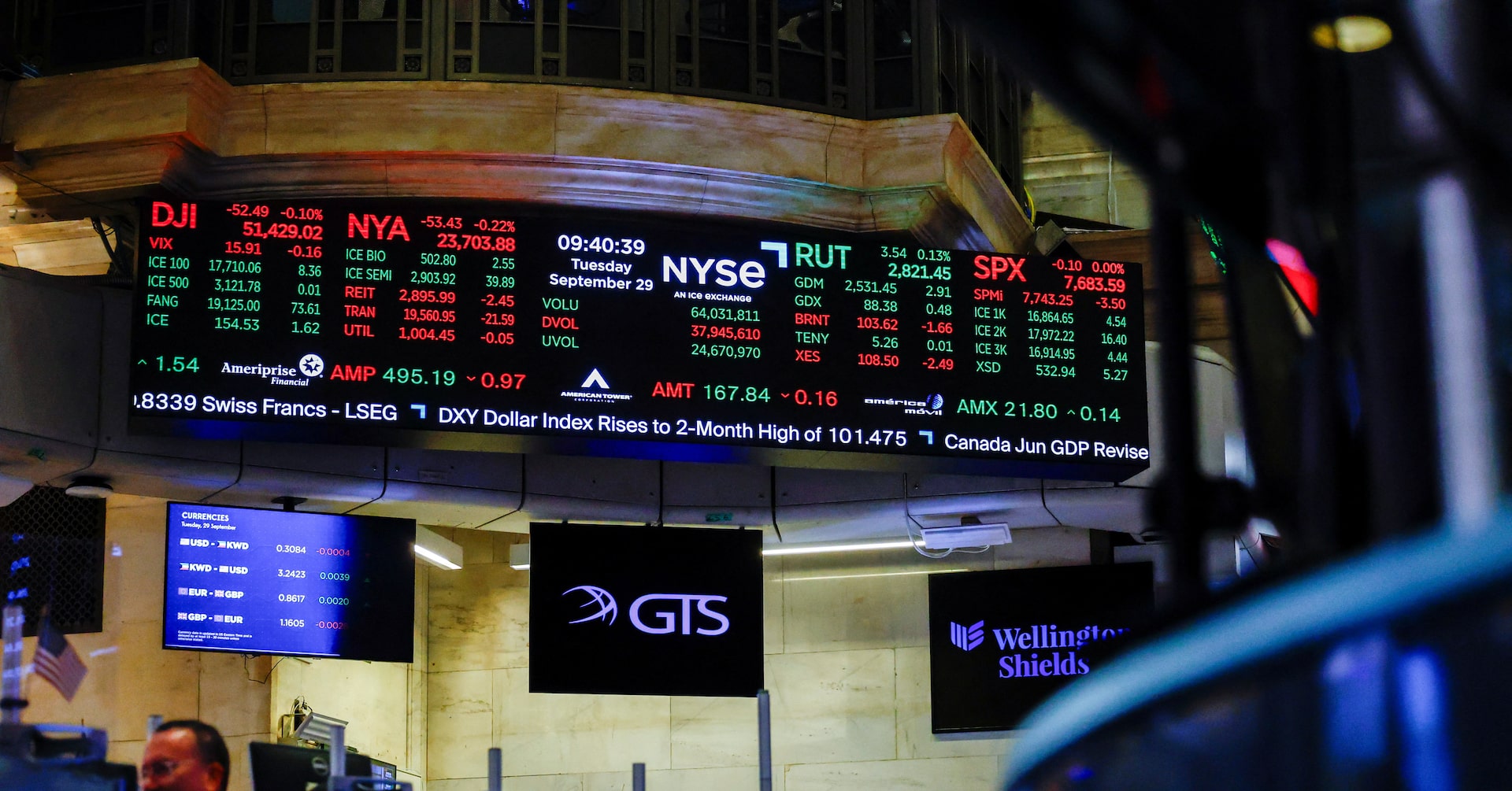
The euro plunged to a 17-month low against the dollar on Monday as mounting anxiety over France’s fiscal position rattled eurozone markets. Bond yields surged and political instability spread, driving safe-haven flows into the US currency even as softer domestic employment figures tempered near-term Federal Reserve rate hike expectations.
French Debt Concerns Drag Down Single Currency
Concerns over France’s high debt and deficits sent government bond yields soaring and dragged the single currency down to a 17-month low against the dollar. The market turmoil followed an underwhelming 2027 draft budget plan presented by Prime Minister Sébastien Lecornu, which projects €54 billion in spending cuts aimed at avoiding a rating downgrade or default.
Public debt in France stands at 119 percent of gross domestic product and is projected to rise toward 122 percent, with the government planning to borrow a record 340 billion euros in 2027. On Friday, 10-year French government debt reached peak yield levels not seen since 2002, while the gap between French and German funding expenses finished the prior week at 140 basis points, representing a 34-basis-point weekly increase that set a 17-year record. Friday also saw the extra compensation required by investors to hold 10-year French securities instead of safer German paper climb past 150 basis points, heightening anxieties about a potential contagion spreading across European financial systems.
“France is the real deal in terms of risk premia for the euro.”
Saxo strategist Neil Wilson, via Theedgemalaysia
Market analysts expressed deep skepticism over whether the government can pass its fiscal agenda through parliament, noting that plans to reduce the budget deficit could ultimately be watered down. Brent Donnelly, serving as president of foreign exchange trading at Spectra Markets, observed that a French politics trade anticipated to intensify ahead of the April 2027 presidential election arrived sooner than expected, noting that government budget promises lack credibility with a change in power approaching.
“It just seems to me like the market is rejecting this 2027 budget. There’s an election coming up … who’s going to vote for fiscal austerity with elections coming up?”
Erik Bregar, director of FX and precious metals risk management at Silver Gold Bull
Contagion Risks Acrossesch Stoxx 600 and Regional Political Uncertainty
The widening divergence between French and German bond yields has become a key indicator of investor anxiety, signaling that bond market vigilantes are closely watching eurozone developments. The pan-European STOXX 600 index rose 0.3% by 0844 GMT, whereas Paris’ benchmark index fell 0.9% to a fresh six-month low.

Safe Haven Support Bolsters US Dollar
While European sovereign debt concerns dragged down the single currency, the US dollar drew safe-haven support and remained resilient despite a softer-than-expected US employment report. The Department of Labor’s figures showed nonfarm payrolls fell well short of market expectations, with the economy adding just 29,000 jobs in September with slowing wage growth and unemployment rising to 4.2 percent alongside deteriorating average hourly earnings, prompting a sharp pullback in expectations for an imminent Federal Reserve rate hike.
According to the CME FedWatch tool, market-implied probabilities for the Fed holding rates steady in October surged to 78 percent, compared to 36 percent a week earlier, while expectations for a rate hike of at least 25 basis points at the October meeting dropped to 23.8 percent from 70.9 percent a week prior. Nevertheless, benchmark 10-year US Treasury yields held near multi-year highs at 5.262 percent, reinforcing the dollar’s upward trajectory.
“US growth outperformance and strong foreign appetite for US securities keep US dollar risks skewed to the upside.”
Elias Haddad, global head of markets strategy at BBH, via Reuters
Matthew Ryan, head of market strategy at Ebury, noted that rising Treasury yields and a broad global debt selloff continue to fuel safe-haven flows into the greenback. In currency trading, the euro was down at $1.1215 from $1.1256 on Friday after falling as much as 0.8 percent to a 17-month low of $1.1160 earlier in the session, marking its fourth consecutive weekly decline against the dollar.
Keep reading
- Gold Prices Hold Steady as Dollar and Treasury Yields Offset Rate Bets
- OpenAI Seeks $30 Billion in Funding From UAE Funds and BlackRock
- France and Germany Propose Rapid EU Trade Tools to Counter China (archyde.com)
- Mideast Stocks: Most Gulf markets gain as oil-supply worries ease, Fed hike bets recede (newsarchyuk.com)

Gold Prices Hold Steady as Dollar and Treasury Yields Offset Rate Bets
Gold prices held steady near $4,140 per ounce as pressure from a strengthening U.S.

OpenAI Seeks $30 Billion in Funding From UAE Funds and BlackRock
OpenAI is actively seeking to anchor its latest round of financing through deep-pocketed institutional partners.

South African Firms Face R17.73 Million Average Ransomware Recovery Cost
South African organisations face average ransomware recovery costs of R17.73 million, according to a 2026 cybersecurity report.

TalkTalk Faces Imminent Administration As Epiris Demands BT Debt Waivers
TalkTalk faces an imminent threat of administration as private equity bidder Epiris pressures Openreach to waive over £100m...