
Wyoming Writers Examine Faith and Culture in New Books
Two Wyoming residents, Pastor Jason Hentschel and journalist Sarah Stankorb, are preparing to discuss their respective new books on Christianity and contemporary culture during a public event on November 10 at 7 p.m. at Wyoming Community Coffee. The authors, who have followed each other’s work for years, released their latest titles this past September. Their collaboration highlights a growing conversation about the evolving landscape of American religious life, as reported by Cincinnati Magazine.
Episcopal Church Burns Man At Stake For Believing In Biblical Inerrancy https://t.co/W94szsmGI6
Jason Hentschel, the pastor of Wyoming Baptist Church who holds a PhD in Theology from the University of Dayton, explores the historical development of biblical interpretation in his book, Desiring Certainty: The Making of Biblical Inerrancy, published by Eerdmans Publishing. Sarah Stankorb, a professional journalist, investigates the experiences of women within religious institutions in her book, Damned If She Does: Why Women Quit Church and What It Means for the Future of Religion, published by Broadleaf Press.
Examining the Mechanics of Certainty and Authority
In her reporting for Cincinnati Magazine, Stankorb describes Hentschel’s work as a readable history that clarifies how American evangelical perspectives on the Bible were formed. She notes that Hentschel examines the tensions within the faith while maintaining compassion for the human desire for certainty. For Stankorb, who has spent years reporting on why women leave conservative churches, Hentschel’s history provides necessary context for understanding how claims to absolute truth can be used to consolidate power.
Stankorb argues that such claims often serve to silence dissent. She suggests that shifting toward a community-based model of authority would be a healthier alternative, allowing for dialogue rather than the rigid structures that she says have caused significant harm to women in religious communities. She posits that faith should be open to questioning and learning, even if that process feels daunting to some observers.
The Human Cost Behind Demographic Data
Hentschel offers a reciprocal assessment of Stankorb’s work, describing Damned If She Does as a raw and honest account. He notes that while the church often views membership trends through the lens of demographics and numbers, Stankorb’s book brings the focus back to the individuals behind those statistics. Hentschel states that the stories presented in her book have challenged him to listen more attentively in his own capacity as a pastor.
The two authors agree that their books address a broader crisis of truth in the United States. In the current information age, they observe that authoritarian versions of Christianity, often tied to claims of biblical inerrancy, have become the dominant public image of the faith. Hentschel describes biblical inerrancy as a framework that often writes off opposing perspectives as aberrant, which he argues disproportionately impacts women and minorities by upholding a patriarchal view of reality. He suggests that the ongoing exodus of women from the church is a direct response to issues like clergy abuse and the political weaponization of faith.
A Dialogue on the Future of Faith
Looking toward their upcoming event, the authors envision a conversation that moves beyond simple agreement. When asked by Cincinnati Magazine where their books might go for dinner, Hentschel suggested Mellotone in the Over-the-Rhine neighborhood, noting its location in a former church building. He joked that the books would likely enjoy a lively debate over the nature of truth, potentially leading to a second meeting to continue the discussion.
Both authors emphasize the possibility of finding community in a pluralistic country, even among those who hold differing beliefs. By documenting how people are testing new forms of spirituality and community, they seek to offer alternatives to the rigid structures that many of their subjects have left behind. Their joint appearance marks a continued effort to foster dialogue across the divides that currently define much of the American religious experience.
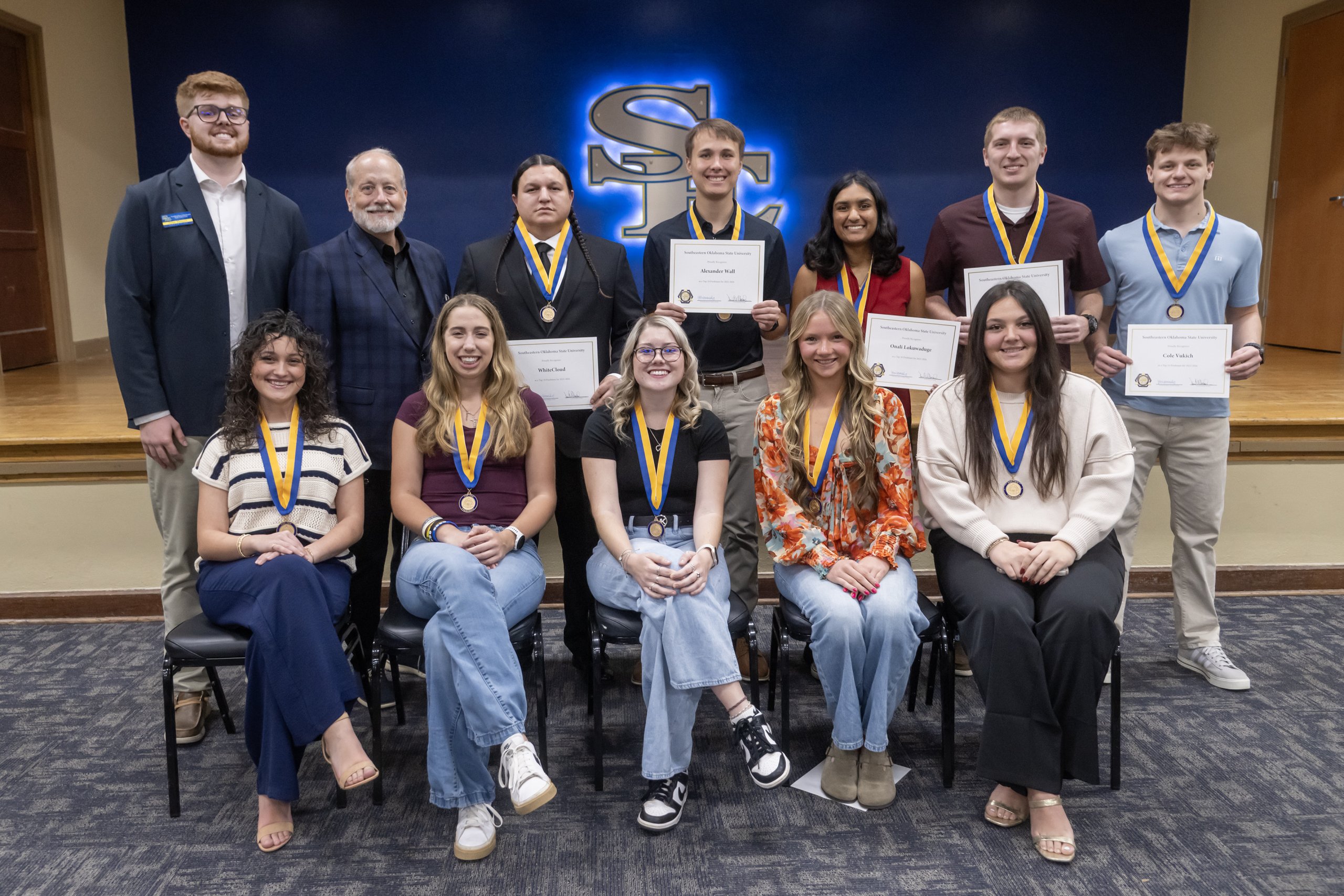
Southeastern Oklahoma State Honors Top Ten Freshmen Students
Southeastern Oklahoma State University honors the 2025-26 Top Ten Freshmen Southeastern Oklahoma State University held a ceremony and...
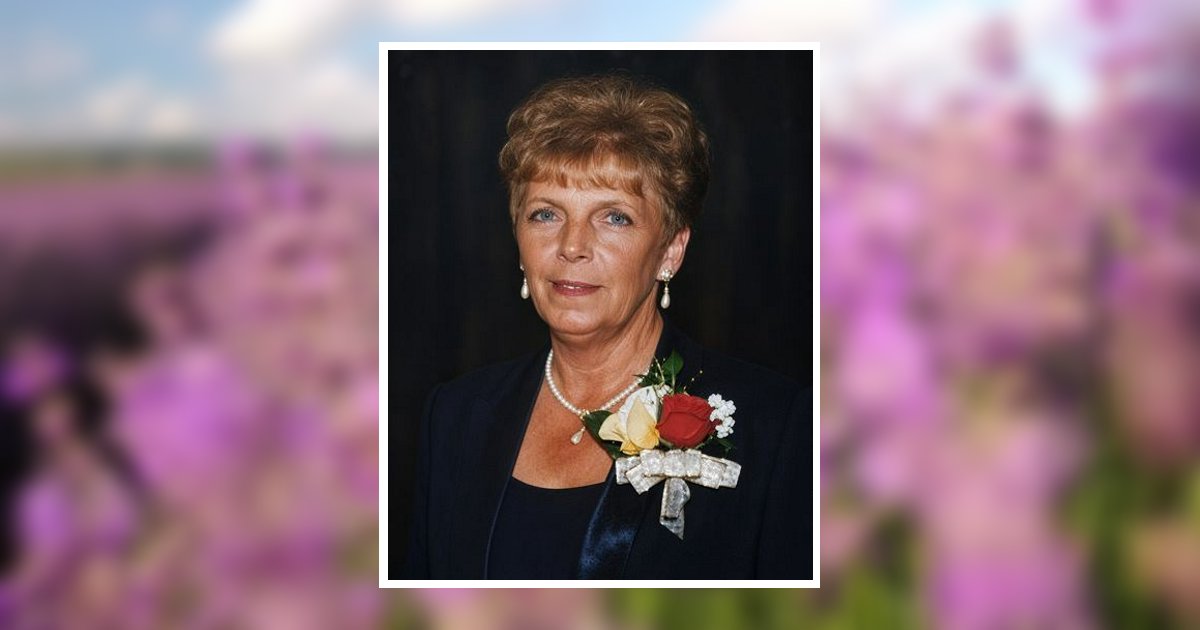
Carolyn Jane Norman, 80, Beloved Mother and Community Supporter
Carolyn Jane Norman passes away at age 80 Carolyn Jane Norman, a long-time resident of East Grand Forks,...

NYCFC and D.C. United Face Season Finale Amid Injury Struggles
New York City FC and D.C. United are both mathematically eliminated from the MLS postseason, setting the stage...
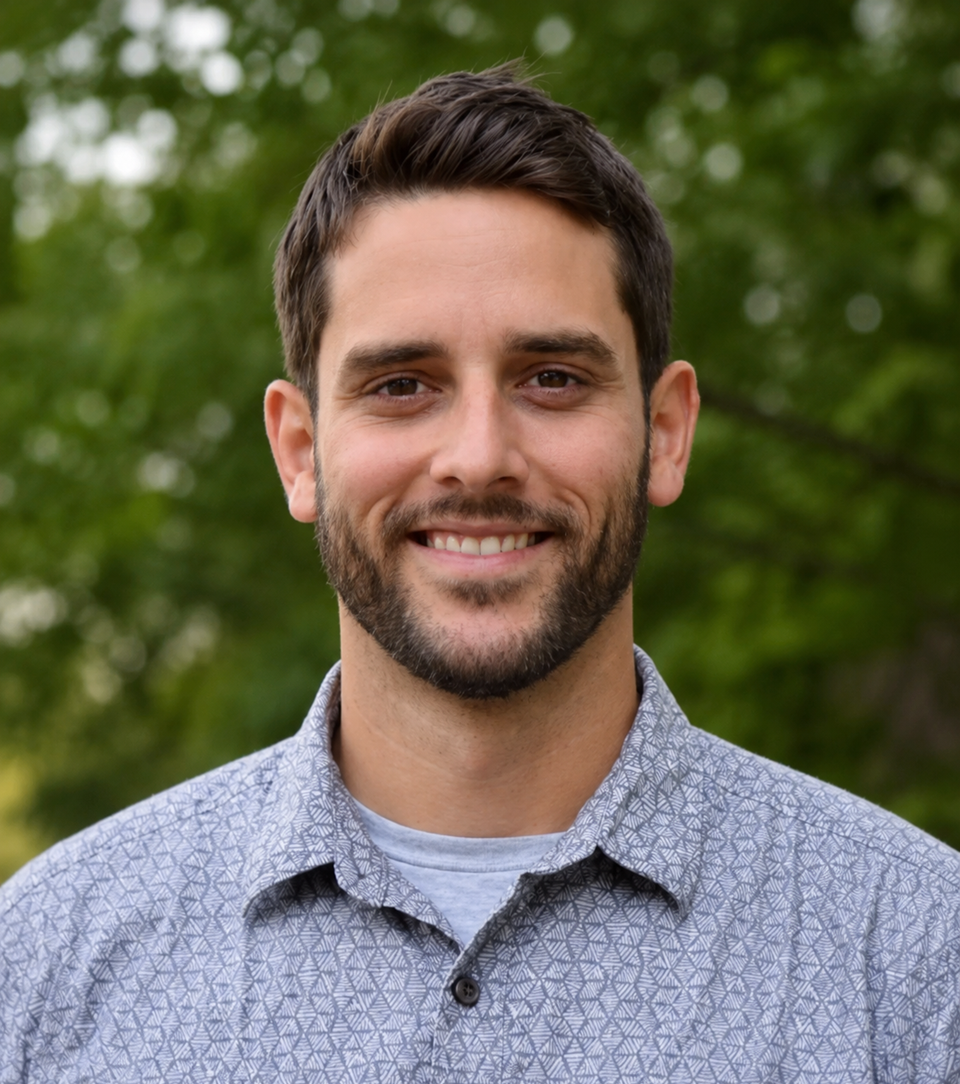
Ohio University graduate Michael Whittemore releases Ecology book
Michael Whittemore bridges ecological science and professional practice Michael Whittemore is currently managing a multifaceted career that spans...