Madison County Establishes First Zoning Commission
Madison County has officially moved to regulate land use on a county-wide scale. During their regular meeting on October 27, the Madison County Board of Commissioners unanimously approved Resolution 58-2026, creating the first-ever Madison County Zoning Commission. This legislative shift marks a departure from the county’s previous reliance on specific, limited review processes, signaling a broader intent to manage how land is utilized across the region.
The decision follows a surge in interest from local communities, specifically in South Madison County’s Raynald’s Pass area. Residents there initiated petitions to establish three distinct zoning districts, a process that required the support of more than 60% of landowners in each affected area. The Board of Commissioners approved the creation of these three districts alongside the resolution for the new commission, setting the stage for a new regulatory framework.
Defining the New Commission’s Authority
According to the structure outlined by state statute, the commission will serve as an advisory body to the Board of Commissioners. Its membership is composed of the three county commissioners, the Clerk and Recorder, the Clerk of the District Court, and two residents representing the newly formed citizen-initiated districts. The county is currently accepting applications to fill those two citizen seats.
The Madison County Zoning Commission denied a proposed shooting range east of Winterset during a meeting Thursday. Here's what supporters and opponents had to say. https://t.co/aI7Kv0Lnxn
The commission’s primary mandate is to review the zoning regulations proposed by the South Madison County petitioners. Members will evaluate these proposals for legality and enforceability, refining the language before presenting a recommendation for or against final adoption to the Board of Commissioners. The Board retains the ultimate authority to decide whether the regulations will be enacted.

Madison County Planner Cody Marxer noted the distinction between current land-use practices and the proposed zoning model. “Zoning does not control the division of land, but it controls the use of the land,” Marxer said. “Subdivision is very specific what you, as a government, are limited to evaluating and what you are required to evaluate, in regards to the use of the land. And zoning for specific land uses can be as restrictive or non-restrictive as desired, depending on the goals of the district and regulations.”
Transitioning from Limited Review to Comprehensive Oversight
Until this resolution, the county operated under a more compartmentalized system of land-use oversight. Existing protocols already include reviews for subdivisions, buildings for lease or rent, floodplain development, and airport-affected areas. While these tools address specific development concerns, they do not provide the comprehensive, use-based regulation that a formal zoning district allows.
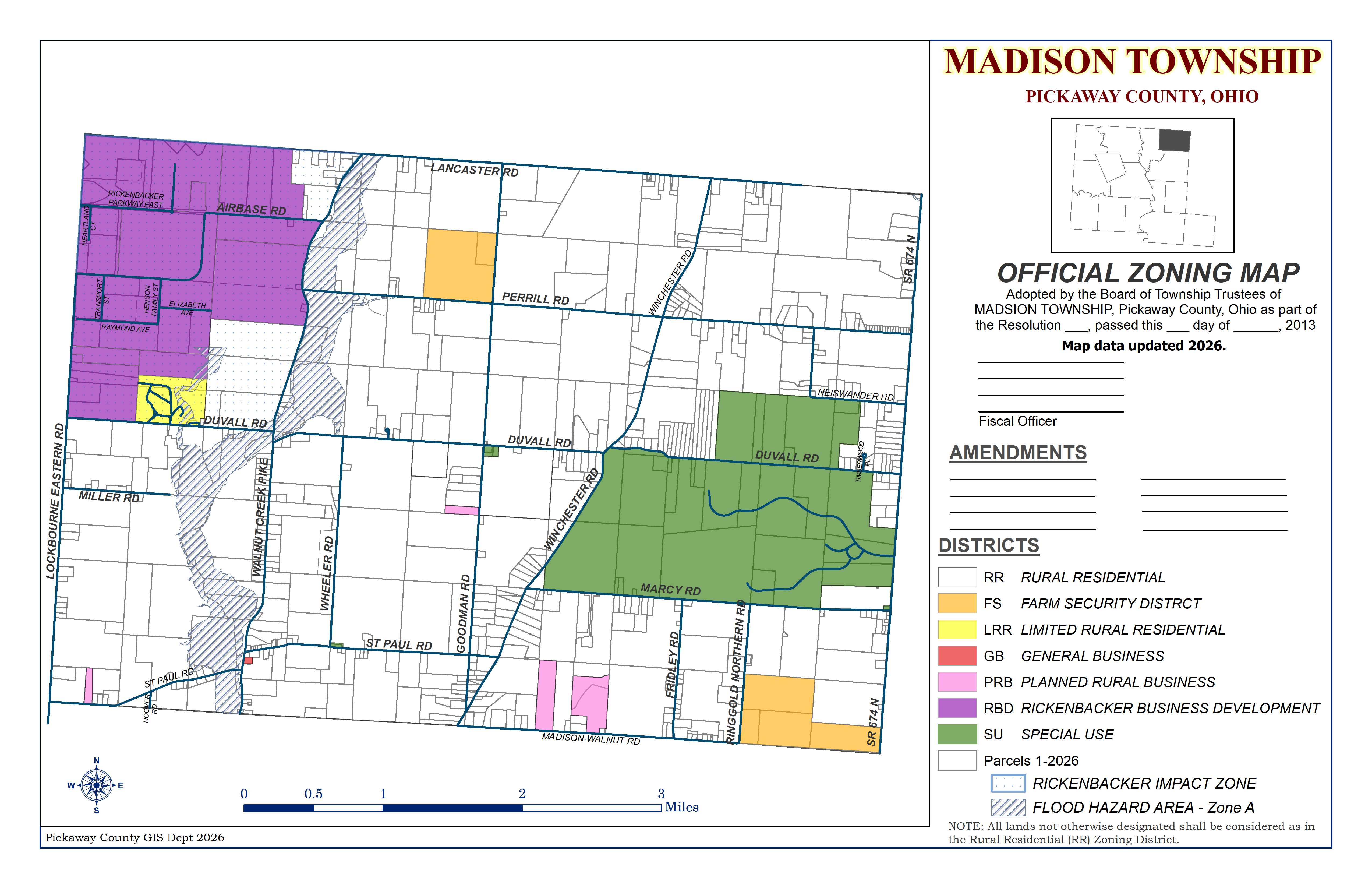
This initiative represents a significant evolution in how the county interacts with private property. By moving toward a zoning model, the county is shifting from a reactive posture—evaluating projects as they are proposed—to a proactive one where the intended use of land is defined before development occurs. While citizen-initiated zoning has been proposed in the past, this marks the first time such an effort has reached the stage of a dedicated commission review.
The commission is expected to develop its own bylaws once the board appointments are finalized. For residents and developers, the immediate next steps involve the review of the regulations submitted by the Raynald’s Pass petitioners. Further details regarding the commission’s progress and the application process for the remaining board seats are available via the official Madison County Commissioners portal.
Keep reading

Southeastern Oklahoma State Honors Top Ten Freshmen Students
Southeastern Oklahoma State University honors the 2025-26 Top Ten Freshmen Southeastern Oklahoma State University held a ceremony and...

Carolyn Jane Norman, 80, Beloved Mother and Community Supporter
Carolyn Jane Norman passes away at age 80 Carolyn Jane Norman, a long-time resident of East Grand Forks,...

NYCFC and D.C. United Face Season Finale Amid Injury Struggles
New York City FC and D.C. United are both mathematically eliminated from the MLS postseason, setting the stage...

Ohio University graduate Michael Whittemore releases Ecology book
Michael Whittemore bridges ecological science and professional practice Michael Whittemore is currently managing a multifaceted career that spans...