When federal inspectors walked into a Billings broadcasting facility this past summer, they weren’t looking for stray copper wire or expired transmitter licenses. They were checking the machinery that cuts through dead air when a tornado touches down or a flash flood sweeps across the plains.
Federal Inspection Uncovers Compliance Failures
It is not just lip service when regulators say to take Emergency Alert System protocols seriously. That is a reality one Montana radio group experienced firsthand after a Federal Communications Commission inspection revealed multiple compliance failures across four of its stations.
According to a notice of violation issued by the FCC on October 23, BMG Billings—doing business as Loud Lark Media—faces scrutiny after an agent from the Denver field office pulled station logs and monitored equipment on July 29 (Read the FCC’s notice of violation). The inspection swept through 98.5 KEWF(FM), 107.5 KRPM(FM), and 105.1 KYSX(FM), all licensed to Billings, alongside 101.9 KRSQ(FM), which carries a Laurel license.
Unauthorized Monitoring and Missing Logs
The trouble began with what the agency found—and more importantly, what it couldn’t find.
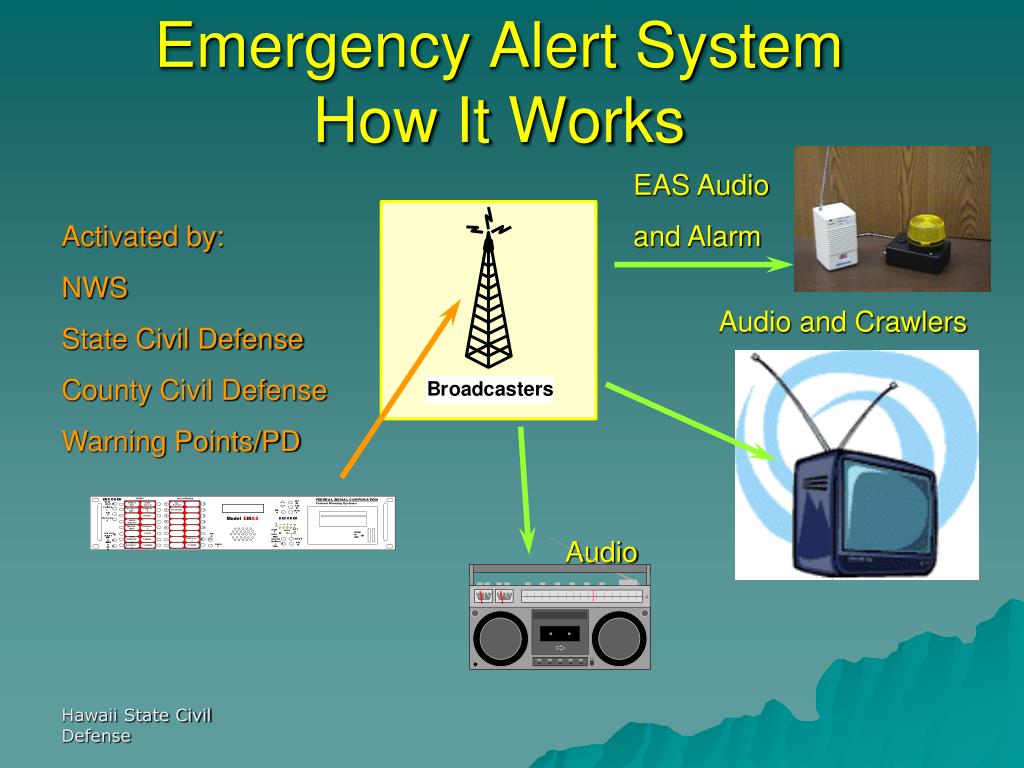
Federal rules require participating stations to monitor two assigned Emergency Alert System sources specified in their respective state plans to ensure reliable relay of emergency broadcasts. But during the July inspection, the federal agent observed that the stations were monitoring a secondary source that was neither assigned to them nor listed in the Montana State EAS Plan.
Worse still, the bureau noted that the stations’ chief operator failed to take necessary steps to correct the unauthorized setup.
Then came the paper trail problem. The inspecting agent could not locate signed records demonstrating that required EAS tests had actually been conducted. Broadcasters must maintain meticulous logs of each test and activation, recorded either manually by the chief operator or via automated equipment that meets strict commission standards.
Lifelines in Rural Regions
The stakes here extend far beyond bureaucratic box-checking. In rural regions, local radio remains a vital lifeline during severe weather events or civil emergencies where cellular networks fail. When a station monitors the wrong source or drops its testing discipline, the redundant warning network degrades.
Next Steps and Deadlines
This initial enforcement step does not preclude the bureau from taking further action, including issuing a notice of apparent liability for forfeiture. BMG Billings now has 20 days from the October 23 release date to submit a written statement explaining the violations, detailing corrective actions taken to prevent recurrence, and outlining a timeline for any pending fixes.
Worth a look
State ballots let voters decide on abortion, taxes, transgender restrictions – NPR
Early voting scenes in Maryland feature decisions on congressional redistricting, but that choice is just one piece of...

Texas football: Star QB Kamario Taylor out for Mississippi State – Austin American-Statesman
Mississippi State Loses Star Quarterback Kamario Taylor for the Rest of the Season Mississippi State will play the...

30-year sentence in Minnesota fraud that drew Trump backlash – Al Jazeera
A 37-year-old Minneapolis restaurant operator convicted of masterminding a massive COVID-19 relief fraud has been sentenced to 30...

Dr. Ann McKee Warns of High CTE Prevalence Among Former NFL Players
Researchers at Boston University, Mass General Brigham, and the Concussion & CTE Foundation utilized statistical methods to analyze...