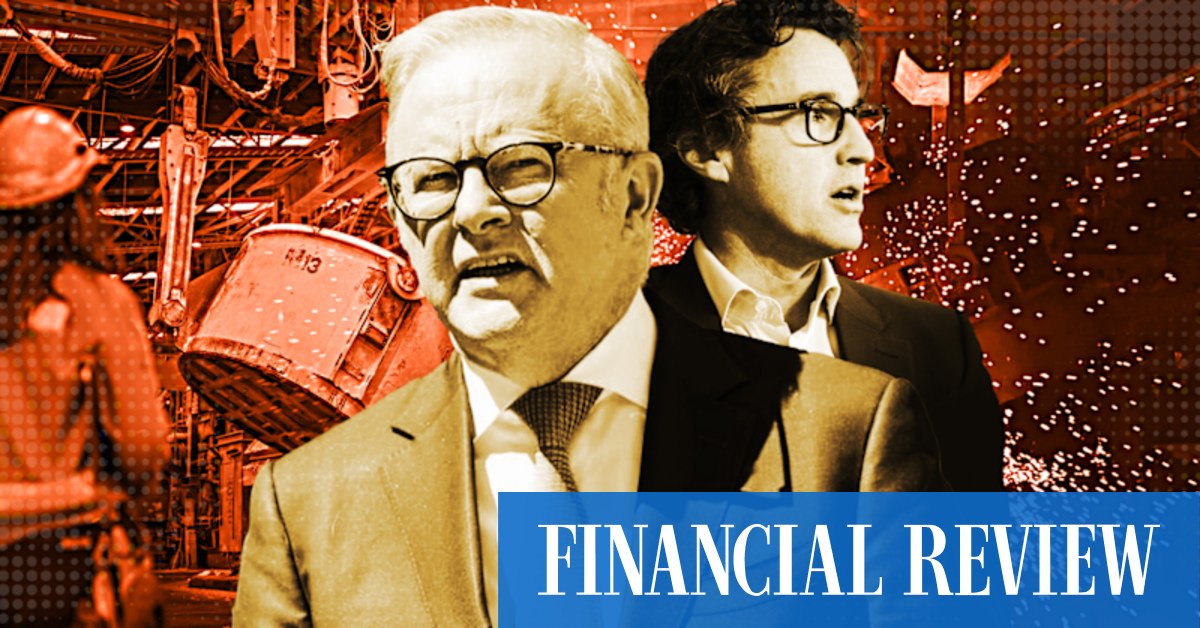
Prime Minister Anthony Albanese and New South Wales Premier Chris Minns have announced a $2.5 billion, 10-year joint bailout package to secure the future of the Tomago aluminium smelter, located north-west of Newcastle, ensuring its continued operation beyond December 31, 2028.
Australia’s largest aluminium smelter is receiving a financial rescue backed equally by federal and state taxpayers. The Tomago aluminium smelter accounts for more than 10 per cent of energy consumption across NSW’s electricity grid, supporting roughly 1,000 workers in the Hunter Valley. Without government intervention, the facility faced imminent closure at the end of its previous power supply contracts.
Funding Structure and Capital Improvements by Rio Tinto
The rescue package combines taxpayer funds with private capital commitments from majority owner Rio Tinto. Resources giant Rio Tinto said in December it was contemplating ceasing operations at the Tomago aluminium smelter, located north-west of Newcastle, at the end of its current electricity supply contract. According to The Guardian, the overall bailout is worth $2.5bn over a 10-year span, split 50-50 between the federal government and the NSW administration. The Australian Financial Review first reported the looming announcement, linking the deal to power purchase agreements with the government-owned utility Snowy Hydro.
Alongside the government commitment, Rio Tinto has agreed to a $1.1 billion facility upgrade. As part of this capital injection, about $100m will go towards further decarbonisation activities and new measures to support the NSW electricity grid, positioning the site for sustainable operations past 2028.
Energy Contracts and Regional Economic Stakes
The financial rescue is tied to power purchase agreements with the government-owned utility Snowy Hydro. Nearly 3GW of new energy supply will be created from the plan. The deal arrives as a number of smelters prepare to switch to 100% renewable energy in the coming decade. Tomago had announced in 2021 it would for all intents and purposes
be 100% renewable by the end of the decade.
Federal Labor has offered a growing list of taxpayer-funded bailout packages to help metal processors around the country. Prime Minister Anthony Albanese said he was delivering on promises made to workers in December. This site isn’t just important for Newcastle and the Hunter, it’s a critical asset for the country and our manufacturing future,
he said. I’m proud of the work we’ve done with the company, with the Minns Labor government, with local members and with the workers here on site to secure Tomago’s future beyond 2028.
Minns thanked Albanese for the joint funding agreement, which comes after months of negotiations.
Broader Industry Pressures and National Manufacturing Policy
The Hunter has powered NSW and helped build this country for generations. This agreement is about making sure it remains an industrial and manufacturing powerhouse for generations to come,
Minns said. This is part of our bigger plan for the Hunter, securing the good jobs and industries that are here today, while investing $12 billion to bring train manufacturing back to the Hunter and create good, secure jobs for decades to come.
The industry minister, Tim Ayres, has been involved in the negotiations and is expected to join the announcement alongside Albanese and Minns.
The Tomago agreement forms part of a wider pattern of federal intervention in domestic metal processing. The government also offered $600m to keep Glencore’s copper smelter and refinery in Mt Isa operating, as well as $240m for smelters in Hobart and Port Pirie. Promises of $2bn for Rio Tinto’s Boyne smelter in Queensland and $2.4bn for the Whyalla steelworks in South Australia have attracted criticism.
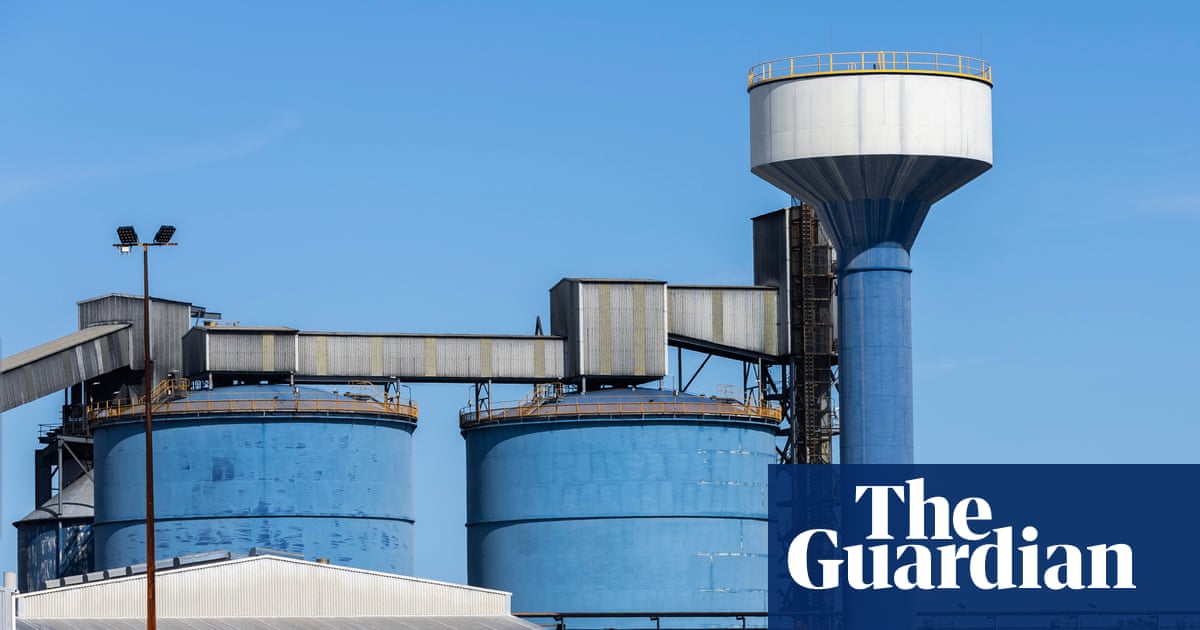
Critics have questioned the reliance on state subsidies for heavy industry. Asked about Tomago on this week, the Nationals leader, Matt Canavan, warned it would not be sustainable for our country to have to expect massive industries to live government blank cheque to government to blank cheque
. Stressing he did not want workers in the Hunter region to lose their jobs due to tough economic conditions, Canavan said businesses needed to have a sustainable economic footing, calling for the scrapping of net zero by 2050 policies.
Despite political debate, federal and state leaders emphasize the strategic value of the plant. Tomago produces up to 590,000 tonnes a year of aluminium, used in the manufacture of a wide range of products including consumer and industrial packaging, construction materials, solar panels and wind turbines. With the 10-year funding framework now finalized, attention turns to the implementation of the Snowy Hydro power agreements ahead of the 2029 transition.
Keep reading

Wildlight Restaurant on UBC Campus Announces Permanent Closure
Wildlight, a Michelin-recommended restaurant located on UBC's campus, has announced it will permanently close on November 28, 2026.

S&P 500 Hovers Near Record Highs as Rising Treasury Yields Threaten Market Rally
Major equity indexes hovered near record levels according to reporting by Mint, as investors prepared to sift through...

Lufthansa Boeing 747 Diverts to Manchester After Burning Odor Reported
A Lufthansa Boeing 747-400 flying from Frankfurt to Toronto with 371 passengers on board made an emergency diversion...

Alison Mau Reflects On Early Career Harassment And Launches Tika
Journalist Alison Mau reflects on a career spanning major media milestones, including an incident of workplace harassment at...