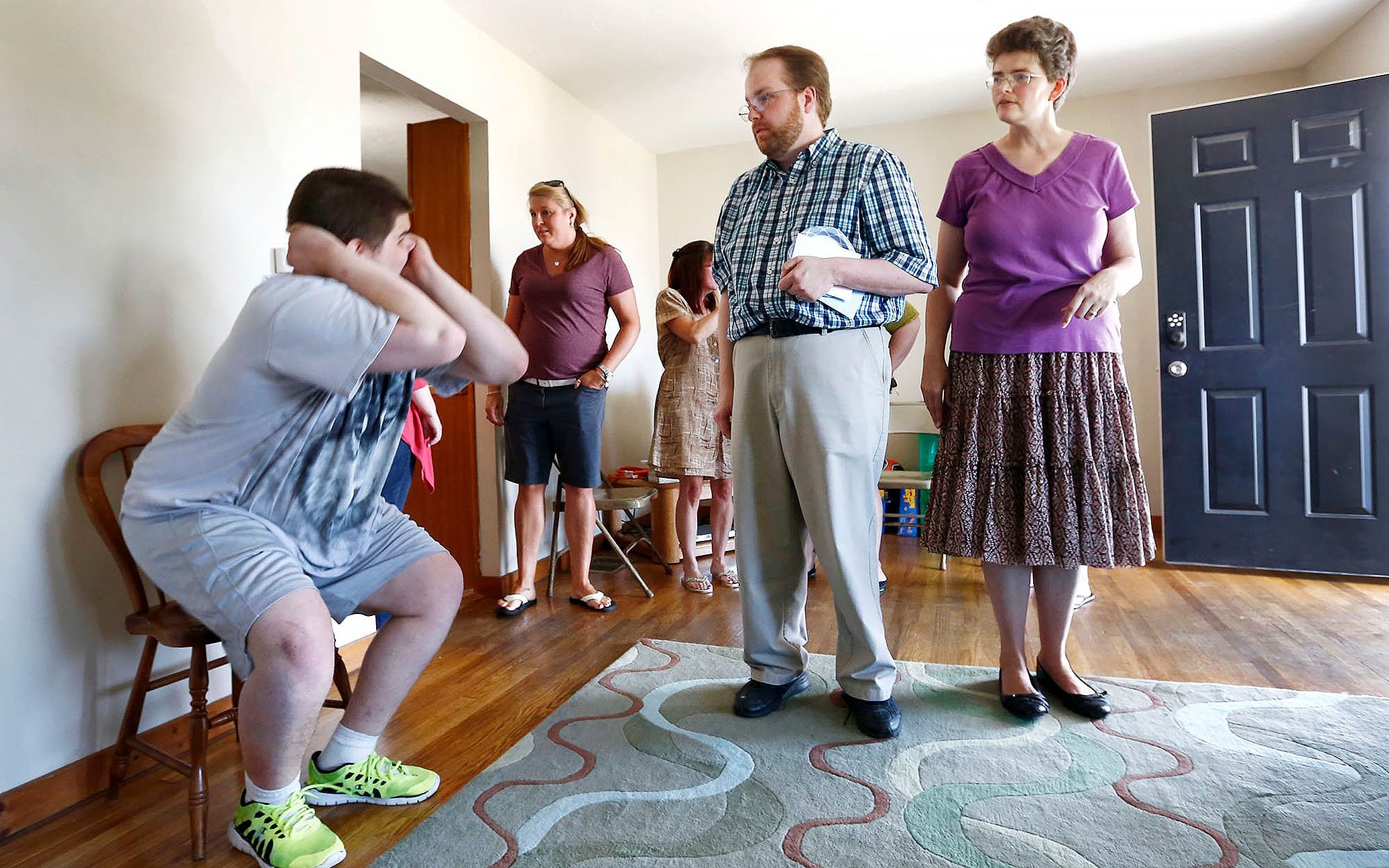
Nearly 17 percent of eight-year-old autistic children in the United States meet the criteria for profound autism under a newly refined definition released by researchers. The estimate marks a drop from the U.S. Centers for Disease Control and Prevention’s previous estimate of 27 percent, published in 2023.
The updated assessment framework recalibrates how federal surveillance tracks children with severe support needs across 13 U.S. sites in 2022.
Researchers Refine Definition of Profound Autism
The term profound autism
first gained traction after a 2021 proposal in The Lancet aimed to ensure that individuals requiring round-the-clock adult supervision were not lost in wider advocacy conversations. Yet researchers subsequently applied widely differing metrics, creating hurdles for public health tracking and clinical support.
A consensus group involving more than 70 researchers, clinicians, caregivers, and autistic individuals established a standardized framework published in the journal Molecular Autism. Under the updated standard, qualifying children must be at least eight years old. They must carry an autism diagnosis, and they must exhibit adaptive functioning well below age level alongside severe cognitive impairment—defined as an IQ score below 50—or minimal verbal communication limited to single words or fixed phrases.
These inconsistencies would not build the body of research needed to provide much needed progress for the population initially identified by The Lancet.
Judith Ursitti, cofounder and president of the Profound Autism Alliance, via Steppingstonescenter
Ursitti noted that the effort was funded by her organization alongside the Autism Science Foundation to establish reliable standards.

CDC Surveillance Data Shows Prevalence Drops
When researchers applied the Delphi consensus definition to 2022 data from the Autism and Developmental Disabilities Monitoring Network, they found that 16.5 percent of 8-year-old autistic children met the full criteria.
That figure translates to a prevalence of 5.4 per 1,000 children, while nonprofound autism stood at 27.5 per 1,000. The new proportion represents a notable decline from the CDC’s previous estimate of 27 percent published in 2023, which relied on older criteria.
Prevalence rates varied sharply across communities, ranging from 10 percent in Utah up to 35 percent in Laredo, Texas. Siegel emphasized that the absolute number remains sobering, representing a large population of families requiring intensive support.
Missing Assessment Data and Advocacy Concerns
Analyzing the federal surveillance dataset exposed information gaps.

Among 7,084 children evaluated, only 61 percent had recorded IQ information, 74 percent had verbal status data, and 56 percent possessed adaptive scores, leaving complete data available for just over half the cohort. Researchers had to utilize statistical imputation methods to bridge the missing values.
Representatives from the Autistic Self Advocacy Network argue that formalizing profound autism can create legal and social frameworks that restrict individual rights. They also state that it can hinder customized accommodations and foster public pity rather than inclusion.
The Interagency Autism Coordinating Committee recommended that the government adopt a standardized functional designation for research, reporting, and program planning.
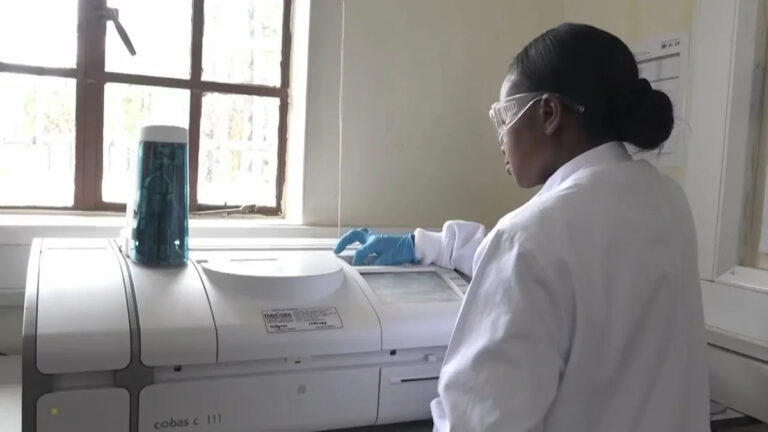
Researchers launch Ebola vaccine trial in Uganda
Researchers in Uganda launched a Phase I clinical trial of the ChAdOx1 BDBV vaccine candidate in Masaka City...
CDC Reports Third US Measles Death in 2026
The Centers for Disease Control and Prevention confirmed its third measles death of 2026 on October 20, as...

Adeno-Associated Virus Gene Therapy Targets Hydrocephalus
Researchers at the University of Cincinnati and UC Davis have demonstrated a preclinical proof-of-concept for an experimental gene...