
Highland Resources has reopened public access to the structure long known locally as Charleston’s “Bridge to Nowhere” at Magnolia Landing, and Edmund’s Oast Brewery is celebrating the occasion with a limited-edition beer called “The Bridge to Somewhere.”
The beer, released Nov. 4 at the brewery’s 1505 King St. taproom, is a small-batch collaboration available on tap and in cans while supplies last, with a portion of pint sales through Nov. 11 benefiting Charleston Waterkeepers.
Crafting Beer with Local Southern Ingredients
Cameron Read and Timmons Pettigrew, the co-owners of Edmund’s Oast, said the collaboration came to them naturally as a neighborhood brewery by the bridge and Magnolia Landing. The name, they said, was all Highland Resources, but the drink is their own concoction. “Like so many beers, it’s easy drinking, golden and light,” Read, who also serves as the brewing director, described. He added that he and Pettigrew, the operations director, enjoy celebrating with local and Southern ingredients whenever they can, and that the Bridge to Somewhere is made with all southern-grown malts from Epiphany Craft Malt out of Durham, N.C.

Supporting Community Through Sales and Renovations
Highland Resources views the reopening as part of a broader commitment to the area. “For Highland, public access is central to our vision for Magnolia Landing, and the planned parks, waterfront paths and gathering spaces are intended for the broader community to enjoy,” Hall said. The brewery’s batch totals about 40 cases and 15 kegs for the entire state, and Read noted the taproom at 1505 King St. has been renovated with new seating, trees for shade and AstroTurf. Between Nov. 4 and Nov. 11, a portion of all pints sold there will benefit Charleston Waterkeepers, a nonprofit incorporated in 2009 that protects, promotes and restores the water quality of the Charleston Harbor Watershed.
“We wanted to bring people together through a local partnership that felt authentic and approachable,” Hall said.

2026 USA Fencing National Championships named economic impact champion
When more than 6,100 fencers descended on Portland for ten days this summer, they carried more than foils,...
Massachusetts voters reject ban on recreational marijuana sales in 2026 midterms
Nearly 76 percent of Massachusetts voters said no to Question 8, with the Associated Press calling the race...

Thrive Academy’s perfume-making STEM event inspires Baton Rouge students
At Thrive Academy in Baton Rouge, the boundary between a beauty aisle and a chemistry lab blurred recently...
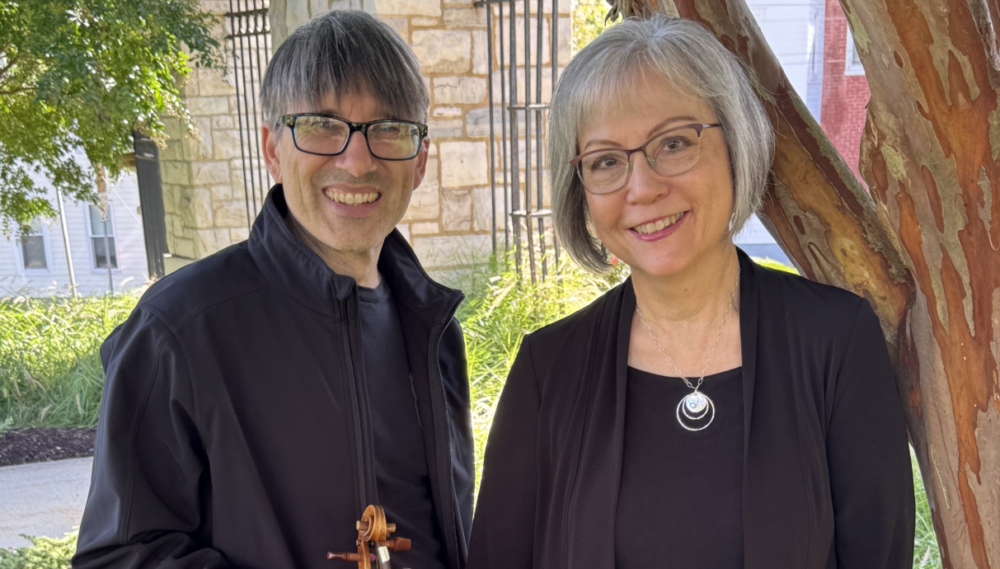
Christ Episcopal Church Hosts Free Violin and Piano Recital
NEWTON, N.J. (Sussex County) — According to WRNJ Radio, Christ Episcopal Church at 62 Main St. will host...