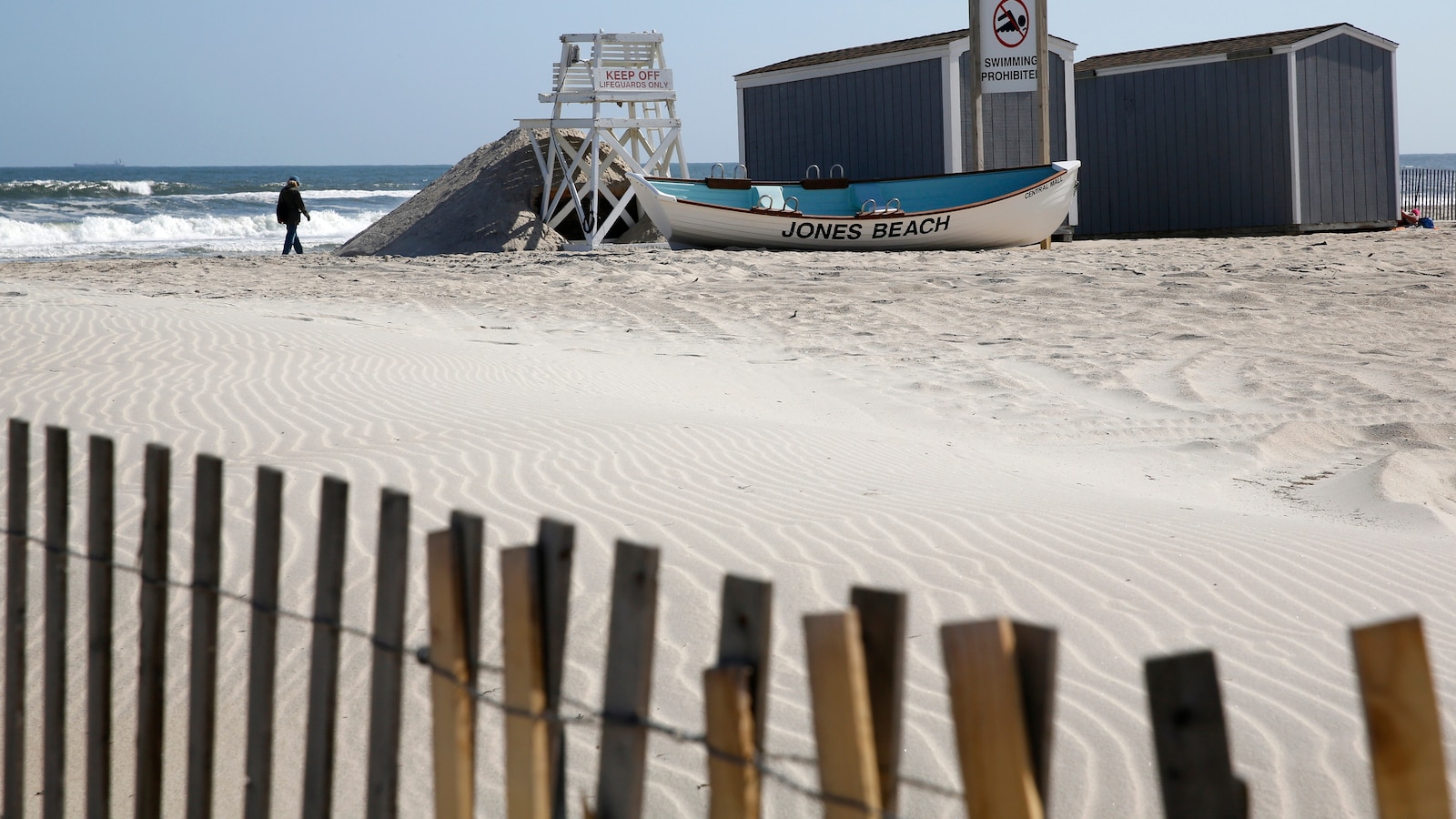
An amateur historian in Wantagh, New York, has unearthing colonial-era documents suggesting that Thomas Jones—the namesake of Jones Beach—helped the notorious pirate Captain Henry Every evade a global manhunt following a massive 1695 treasure ship heist.
Unearthing the Pirate Connection
James Bailey spent five years poring through historical records after previously finding ancient coins linked to Every. His research points to a darker chapter in the history of Thomas Jones, who established a profitable whaling operation on the Long Island barrier beach that now bears his name.
The documents, which include depositions from Every’s associates, suggest Jones served as a “wheelman” for the pirates. The crew had seized tens of millions of dollars’ worth of gold and silver from the Ganj-i-Sawai, a royal Indian treasure ship, in a bloody Red Sea raid involving torture and killings that sparked the world’s first global manhunt.
According to John Hanc, author of Jones Beach: An Illustrated History, Bailey’s findings shed light on rumors that persisted long after Jones died in 1713. Before it was demolished in the early 1800s, Jones’ crumbling Long Island mansion was reputed to be haunted, and his grave was repeatedly robbed by treasure seekers before being relocated.
From Privateer to Landowner
Meagan Schulman, a Fordham University doctoral candidate specializing in 17th-century piracy, notes that Jones served as a British military major before operating as a privateer—a seafarer authorized by the crown to raid rival commercial ships during wartime. When those conflicts ended, privateers who kept raiding were branded pirates.
The reality was that privateers were pirates, just sponsored by a certain government or patron. So maybe the short answer is, yes. Jones can be called a pirate, by some people, but he probably did not ever see himself as one.
— Meagan Schulman
After assisting Every and his crew, Jones returned briefly to Rhode Island. In 1696, property records show his wealthy father-in-law, Thomas Townsend, gifted him a large tract of land on Long Island’s south shore. This allowed Jones to build a homestead and establish a whaling business.
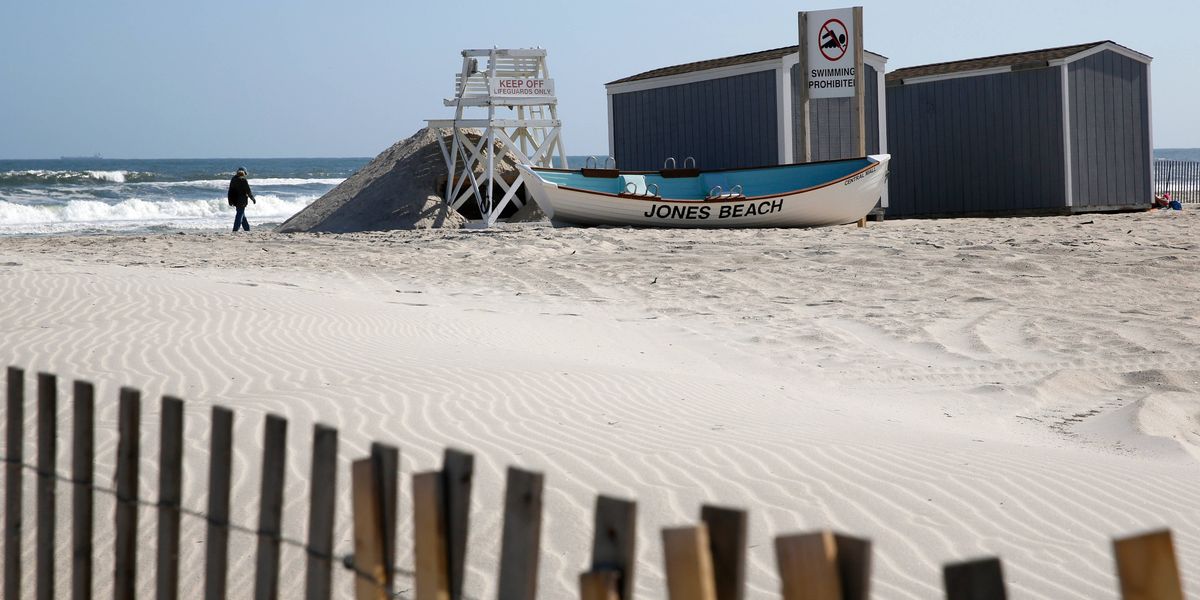
By 1698, New York colonial governor Richard Coote investigated Jones after an anti-piracy sweep traced a barrel of money from the city to Jones’ house. Jones testified he knew nothing about the funds, though the governor described him in official writing as “formerly a pirate.”
Other historians urge caution regarding the definitive nature of the findings. Richard Blakemore, a maritime history professor at the University of Reading, notes that Thomas Jones is a common name. However, Loyola Marymount University history professor Kevin McDonald argues that these connections illustrate how piracy provided foundational wealth for prominent colonial families.
Keep reading

Another sloppy Patriots performance, but another divisional win – NBC Sports Boston
The 2026 New England Patriots secured another divisional victory despite a sloppy performance against the Miami Dolphins, escaping...

Four Lock Haven wrestlers go 3-0 at Navy Classic
Four Lock Haven Wrestlers Go Unbeaten at Navy Classic Opening Day Four Lock Haven wrestlers finished their matches...

Collins, Jackson make their closing appeals in Maine’s pivotal US Senate race
Maine US Senate Race Reaches Final Hours With Record Spending and Divergent Closing Strategies With more than $260...
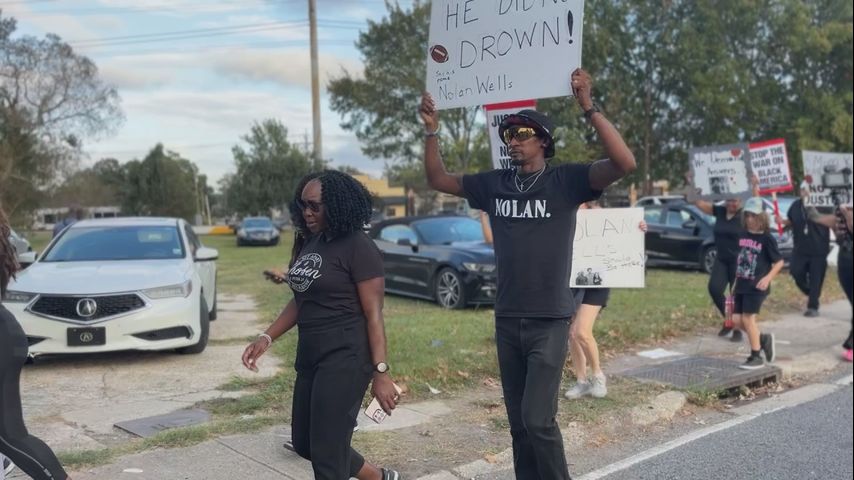
Baton Rouge community joins nationwide movement in march for Nolan Wells – WBRZ
Baton Rouge Joins Nationwide Movement Over Nolan Wells Death Community leaders across more than a dozen states hosted...