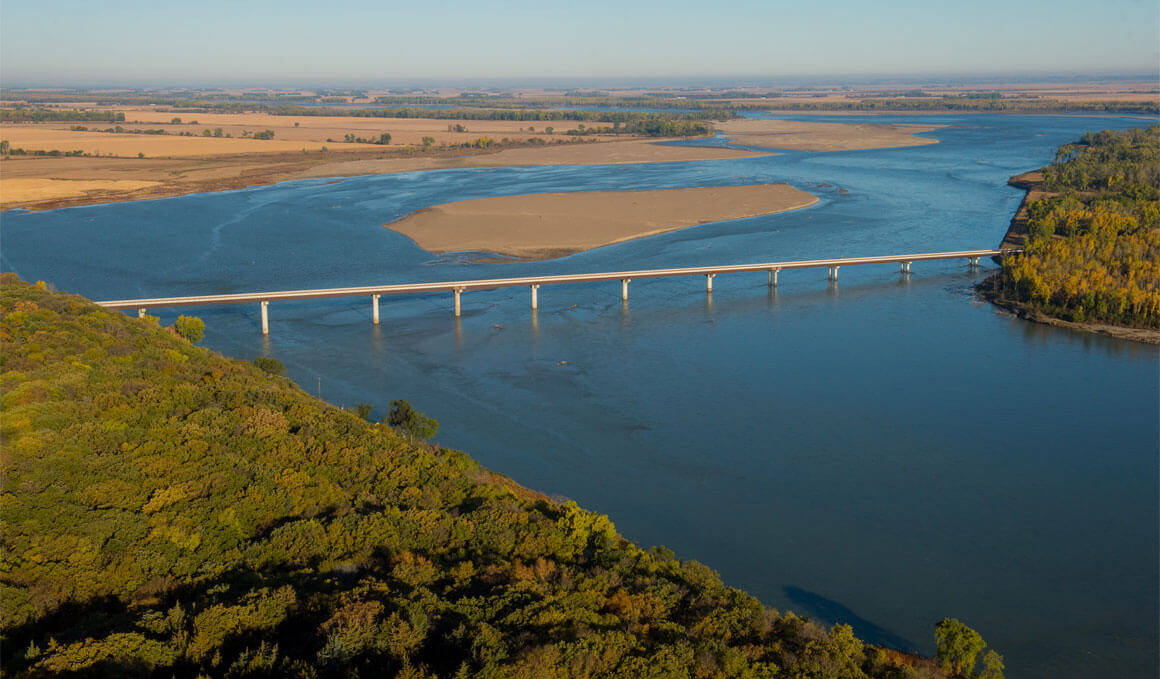
USD to Convene 2026 Missouri River Science and Management Symposium
The University of South Dakota is preparing to host its annual Missouri River Science and Management Symposium, a day-long event that draws together researchers, educators, and the public to examine the complex systems surrounding one of North America’s most vital waterways. The symposium, sponsored by the Missouri River Institute at the University of South Dakota, is scheduled to take place on November 6, 2026, beginning at 9 a.m.
This year’s programming marks a distinct departure from general river studies by centering its entire agenda on a singular, recently published academic work: “The Missouri, America’s Longest River – A Cultural and Environmental History.” Edited by Jon K. Lauck and Harry F. Thompson and published by the Center for Western Studies at Augustana University, the book serves as the primary touchstone for the day’s discussions. According to the University of South Dakota, the symposium provides a forum for attendees to engage with the authors of the book’s individual chapters, who will present their findings both in-person and via Zoom.
Examining the River Through a Multidisciplinary Lens
The scope of the symposium reflects the multifaceted nature of the river itself. The chapters within the featured text span a wide range of academic and practical disciplines, including exploration history, the era of steamboat commerce, the strategic importance of historical forts, and the river’s enduring influence on regional political systems. For those interested in the natural world, the event also covers environmental history and biological perspectives.
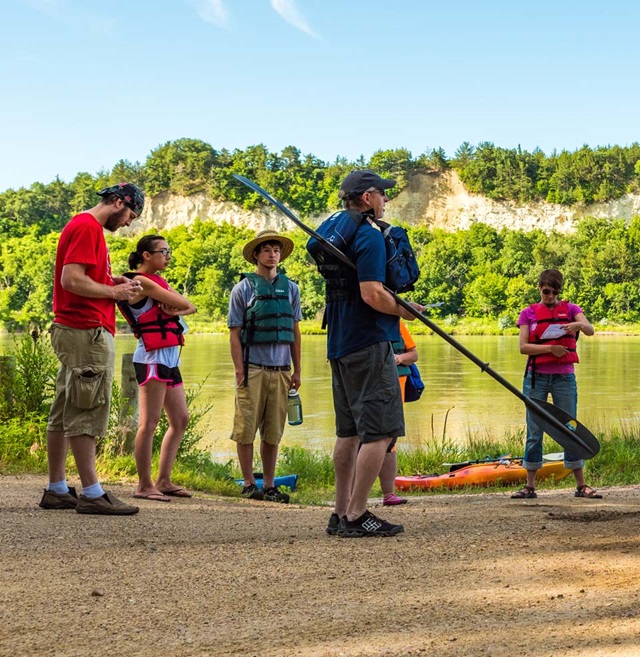
“This year’s annual Missouri River Institute symposium is focused on the new book, which covers a wide range of topics, including history, geography, politics, and nature, so anyone curious about broader Missouri River issues will find something of interest,” said David Swanson, Ph.D., professor in the USD Department of Biology and director of the Missouri River Institute.
The event is free and open to the public, with no prior registration required for attendance. Physical copies of the book will be available for purchase at the symposium. For those planning to attend or looking to review the specific order of presentations, the university has made the full schedule of events available on the official symposium website.
Institutional Framework and Accessibility Standards
While the symposium serves as a public engagement tool, the University of South Dakota operates under a rigorous set of administrative policies governed by the South Dakota Board of Regents. As outlined in the 2026-2027 Graduate Catalog, the university maintains strict standards for non-discrimination and equal opportunity across all institutional services. These policies ensure that events held under the university’s purview, including academic symposia, must remain accessible to all persons qualified by academic preparation or interest, regardless of race, religion, sex, or disability.
The oversight of these institutional commitments falls under the jurisdiction of the Director, Equal Opportunity and Chief Title IX Coordinator, Ashley Lemons, based at 205 Slagle Hall in Vermillion. The university emphasizes that these standards are not merely internal guidelines but are part of a broader commitment to public service and instructional programming that keeps the community informed of both academic developments and the rights of those participating in institutional activities.
The Missouri River continues to act as both a physical boundary and an economic artery for the Great Plains. By pivoting the 2026 symposium toward a comprehensive cultural and environmental history, the Missouri River Institute is prioritizing a holistic understanding of the river’s past to inform its future management. The event stands as an example of how academic research is translated into public discourse, offering a rare opportunity for citizens to access the scholarship currently shaping the regional understanding of the Missouri River.
Worth a look

PA Attorney General Sues JC Home & Construction for Consumer Violations
Pennsylvania Attorney General Sues JC Home & Construction Management Attorney General Dave Sunday announced a lawsuit on November...

Oklahoma School Report Cards Show Low Academic Achievement Scores
Oklahoma’s Academic Report Card Reveals Deep Stagnation Oklahoma’s public school system finds itself at a difficult crossroads as...

North Dakota and Minnesota probate limits depend on estate value
Probate becomes a legal requirement in North Dakota and Minnesota when a deceased person leaves behind real estate...

Vivek Ramaswamy Faces Backlash Over Amy Acton Attack Ad
The Political Fallout of the Ramaswamy Ad Campaign In the final stretch of the 2026 Ohio gubernatorial race,...