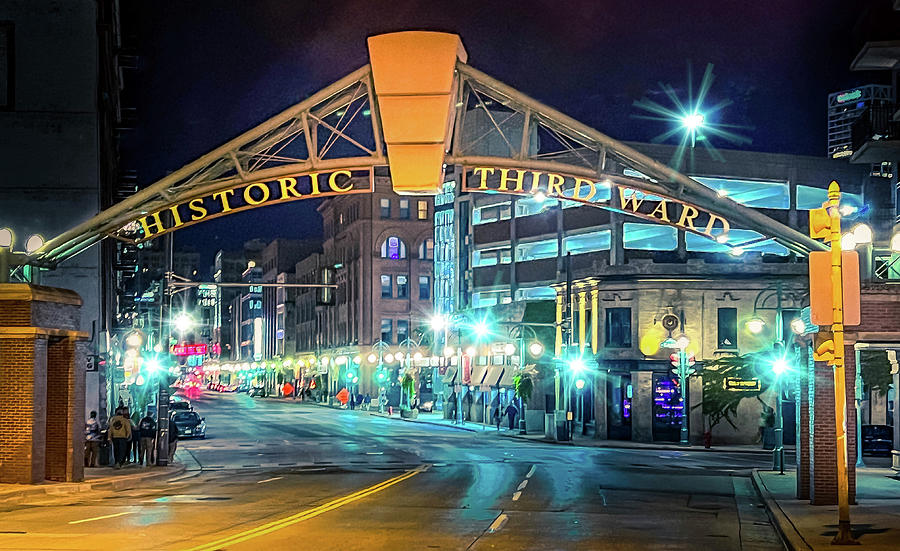
Houston residents in neighborhoods like Third Ward, Englewood and Oak Forest face rising violent crime and housing costs that outpace wages, community leaders said.
Englewood recorded a 440% increase in violent crime between 2015 and 2020, according to police department data cited in the report. Median property values in Oak Forest and Westwood sit thousands of dollars below the city average, while nearly 80,000 renters and homeowners have experienced affordability gaps each year since 2018, the Houston Homeless Coalition found.
“I remember driving through our neighborhood and seeing police lights flashing everywhere. I grabbed my younger siblings by the hand and fled. I never felt safe in my own home,” said Khallid Johnson, a lifelong Third Ward resident.
“When you’re born and raised in the Third Ward, like I was, there’s an expectation that you go home. But that’s not possible right now,” said Calisha Ballou, a community organizer with the Community Land Trust of Houston. “Purchasing a home in the Third Ward is nearly impossible. So many families are stuck renting and living in fragile, transitional situations.”
Housing instability drives displacement
Saba Addis, executive director of the Altair Housing Stability Initiative, said the crisis is systemic. “We need comprehensive policies and innovative solutions to stabilize renters, mitigate rent hikes, and preserve community assets. The housing market must benefit us instead of staggering wealth and creating compassionless exhibits.”
Third Ward, historically a hub for Houston’s African American middle class, has seen escalating poverty rates, violent crime and depopulation in recent decades. Residents report inadequate access to affordable housing, basic services and job opportunities.
Third Ward became the center of Houston’s African-American community after World War II, when White residents moved to southwest suburbs and Black migrants from Louisiana and East Texas settled in the area.
The construction of Interstate 45 in the 1950s separated portions of the historic ward from the rest of the neighborhood, and in the 1960s and 1970s many families relocated to racially integrated suburbs, leading to decades of neglect and economic decline.
Crime patterns have led residents to demand better law enforcement and community services.
No. 11 Providence Routs UMass 9-3 With Three Shorthanded Goals in One Penalty Kill
No. 11 Providence routed Massachusetts 9-3 at Schneider Arena on Saturday night, sweeping the weekend series and handing...

Vermont Public: Late November Window for Dormant Grass Seeding
Late November offers a narrow window for dormant seeding, a technique that lets grass seed sit inactive under...

No. 25 Oklahoma State Faces Wichita State After Record-Setting Shooting
No. 25 Oklahoma State shot a program-record 69.1% from the field Friday against Little Rock, the fifth-best single-game...
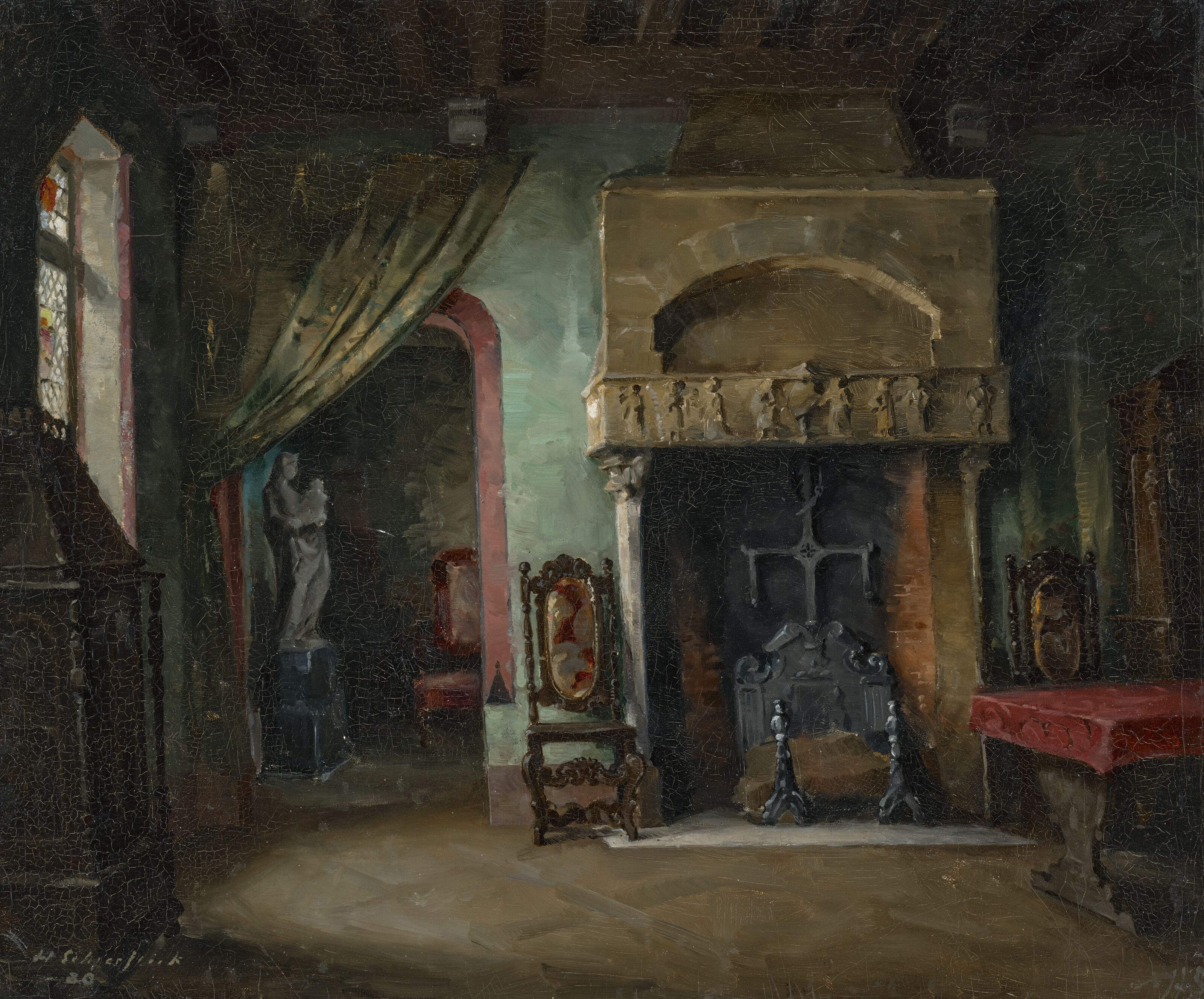
Christie’s Reframes Schjerfbeck’s 1884 Musée de Cluny Interior as Pivotal Moment Light Became the Subject
A Christie's catalogue essay reframes Helene Schjerfbeck's 1884 interior of the Musée de Cluny as the moment light...