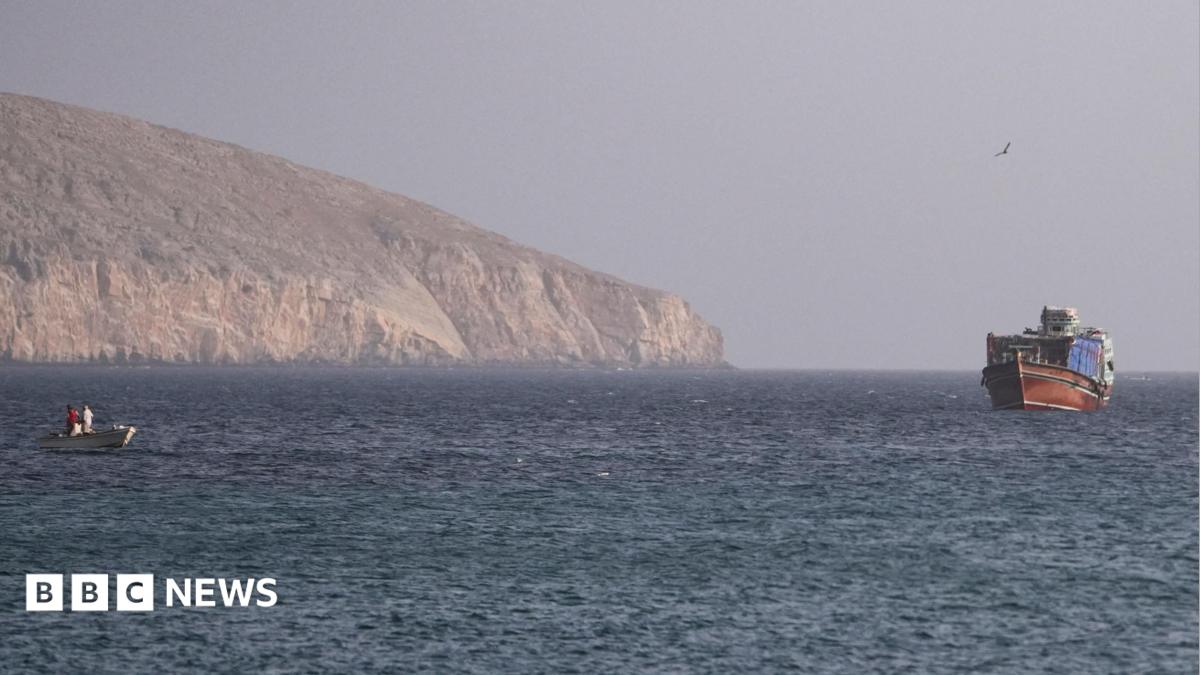
Yemen’s Iran-aligned Houthi movement announced the immediate imposition of a total naval blockade against Saudi Arabia, describing the move as a blockade-for-blockade response after weeks of escalating cross-border exchanges. Houthi military spokesman Yahya Saree warned in a video broadcast that any further Saudi military action would face a harsh response, while urging the Yemeni public to maintain mobilization. The announcement swiftly materialized in the Kingdom’s shipping lanes when two oil tankers carrying Saudi crude to Asia reversed course in the Red Sea.
The Houthi Naval Blockade Declaration and Red Sea Tanker Strikes
Saudi state media confirmed that an attack triggered a fire at the bow of the Saudi-flagged tanker, though all crew members were reported safe. British maritime risk-management company Vanguard reported that the vessel was struck on its starboard side by an unidentified projectile approximately 130 kilometers southwest of Al Shuqaiq, while the United Kingdom Maritime Trade Operations agency also logged an incident in the same waters. Vanguard noted that the Houthis claimed to have targeted a second vessel, though that strike remained unconfirmed.
The maritime escalation drew sharp condemnation from Pakistan’s foreign office spokesman, Tahir Andrabi, who warned that hostile actions against Pakistani-flagged vessels or maritime interests would be regarded as a grave threat. Pakistani Prime Minister Sharif subsequently spoke with Saudi Crown Prince Muhammad bin Salman to reaffirm solidarity, invoking a bilateral Strategic Mutual Defense Agreement signed the previous September.
Strait of Hormuz Clashes and US Interventions
While the Red Sea faced renewed disruption, the Strait of Hormuz remained a primary theater of fire between American and Iranian forces. The United States military launched a fresh series of strikes against Iran aimed at curbing capabilities used to target commercial shipping. The US Central Command stated that the operations followed multiple consecutive days of escalation, responding directly to attacks on cargo vessels in the waterway.
Amid the exchanges, US forces intercepted and disabled a commercial tanker in the Gulf of Oman that was reportedly attempting to evade the American blockade on Iranian ports. Navy Captain Tim Hawkins, spokesman for US Central Command, detailed the intervention.
Hawkins added that the crew was repeatedly warned, did not comply, and that US forces disabled the vessel after firing directly into its engine room.
Regional Retaliation and Economic Shockwaves
Iran’s military apparatus responded across the region as its Revolutionary Guard announced strikes against US military sites and bases in Kuwait, Bahrain, Jordan, and Syria. Iranian President Masoud Pezeshkian stated that the Islamic Republic was engaged in a full-scale war, declaring that the nation must accept the natural consequences of its resistance.

The dual chokepoint disruptions sent immediate shockwaves through global energy markets. Growing concerns over maritime threats pushed the price of crude oil back over $100 a barrel, though prices later eased as Chinese-chartered supertankers successfully cleared the Bab el-Mandeb Strait. According to the International Energy Agency, global oil supply rose by 4.1 million barrels per day in June as shipping partially resumed, but remained 9.4 million barrels per day below pre-war levels.
Diplomatic Efforts and the Breakdown of the Interim Truce
The current violence effectively shattered a 14-point Memorandum of Understanding agreed upon in June, which had established a temporary pause in military operations and reopened the Strait of Hormuz. Three weeks after signing that agreement, President Donald Trump declared the ceasefire over following renewed Iranian attacks on shipping.
Speaking at the White House, Trump addressed the dual path of ongoing military pressure and diplomatic engagement.
We are talking to them. I think they’re being serious. I think …
President Donald Trump
When asked about his exit strategy, Trump outlined two options.
“There’s a military exit where we just keep going just the way we are, and we can even make it a heavier dose, and it’s knocking out everything they have. Or there’s a smarter strategy that you make a deal.”
President Donald Trump
Iranian foreign ministry spokesman Esmaeil Baqaei confirmed that diplomatic exchanges via intermediaries remained active, noting that new proposals had been conveyed to Tehran by regional mediators.
Upcoming High-Level Talks in London and Washington
Keep reading
Canada Seeks Unique EU Alliance Amid US Trade War
Canadian Prime Minister Mark Carney addressed reporters in Toronto on Sunday, outlining a new diplomatic and economic direction...
Israeli Attacks in Gaza Kill Pregnant Woman and 10 Others
A pregnant Palestinian woman was shot and killed by Israeli forces in southern Gaza as artillery shelling and...
Iran and Gulf Nations Postpone Oman Talks Over Regional Consensus
The delay comes as oil prices fluctuate, U.S. economic sanctions expand, and military tensions in the region escalate...
After Louvre Heist, Robberies Continue at French Museums
Following a dramatic daytime heist at the Louvre, a string of break-ins has struck museums and churches across...