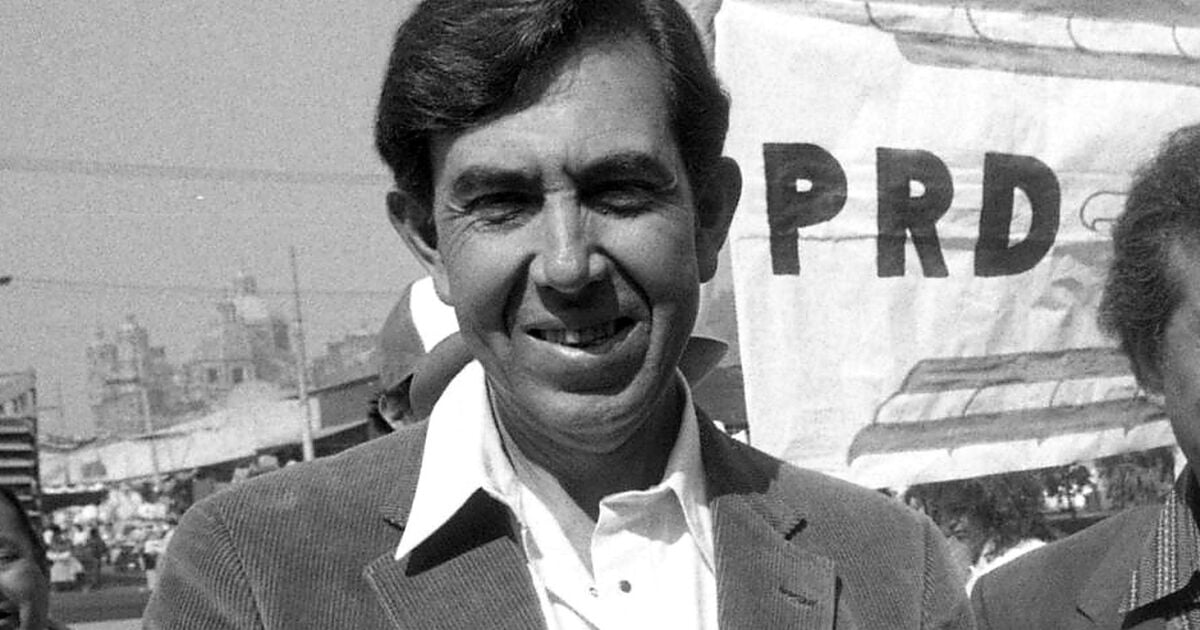
Cuauhtémoc Cárdenas, founder of the Party of the Democratic Revolution (PRD) and a cornerstone of the Mexican left, died Wednesday at age 92. An engineer and former governor, Cárdenas challenged one-party rule to expand electoral plurality in Mexico.
Cuauhtémoc Cárdenas Solórzano died after a public life that moved from institutional loyalty to political dissidence. Born on May 1, 1934, he was the son of former president Lázaro Cárdenas del Río, who governed Mexico from December 1, 1934, to November 30, 1940.
Cárdenas began his career as a civil engineer and a member of the Institutional Revolutionary Party (PRI). He eventually became a central figure in the transition toward a more competitive democratic system.
Cárdenas Breaks With the PRI
Cárdenas served as a senator for Michoacán in 1976 and as the state’s governor from 1980 to 1986, spending 25 years within the PRI. By the mid-1980s, he joined Porfirio Muñoz Ledo and Ifigenia Martínez to lead the Corriente Democrática (Democratic Current), a group demanding transparency in presidential candidate selection.
🚨 #ÚLTIMAHORA | Murió Cuauhtémoc Cárdenas Solórzano, fundador del PRD👉 https://t.co/LuqOTBJBqt🕊️ A los 92 años falleció el ingeniero Cuauhtémoc Cárdenas Solórzano, figura clave en la historia democrática contemporánea de México.Exgobernador de Michoacán, líder histórico… pic.twitter.com/0RP2eOTMb6
Cada vez es más rígida la dirección priísta
On September 17, 1987, Cárdenas and Porfirio Muñoz Ledo marched to the Zócalo as part of the Movilización de las 100 horas
following a formal break with the regime. In 1988, Cárdenas ran for president as the candidate for the National Democratic Front (FDN), a coalition of leftist parties and social organizations.
The election on July 6, 1988, became a watershed moment in Mexican history due to a historic crash of the electoral counting system. This resulted in the official victory of Carlos Salinas de Gortari and sparked widespread social unrest.
PRD Leads Presidential Bids
Cárdenas served as the party’s national leader and sought the presidency two more times under its banner.
- 1994: Cárdenas lost to Ernesto Zedillo of the PRI during a period of intense political crisis marked by the Zapatista uprising and the assassination of Luis Donaldo Colosio.
- 2000: He lost to Vicente Fox of the National Action Party (PAN), an election that finally ended PRI’s federal continuity.
Cárdenas became the first popularly elected Head of Government of the Federal District (now Mexico City) in 1997, a role he held until 1999.
Engineering Career Precedes Politics
Cárdenas used his UNAM civil engineering degree in several technical roles before becoming an opposition leader. He headed the Committee for the Studies of the Balsas River Basin, managing the regional diagnosis for the development of the region and its natural resources, which led to the creation of the Balsas River Commission in 1962.
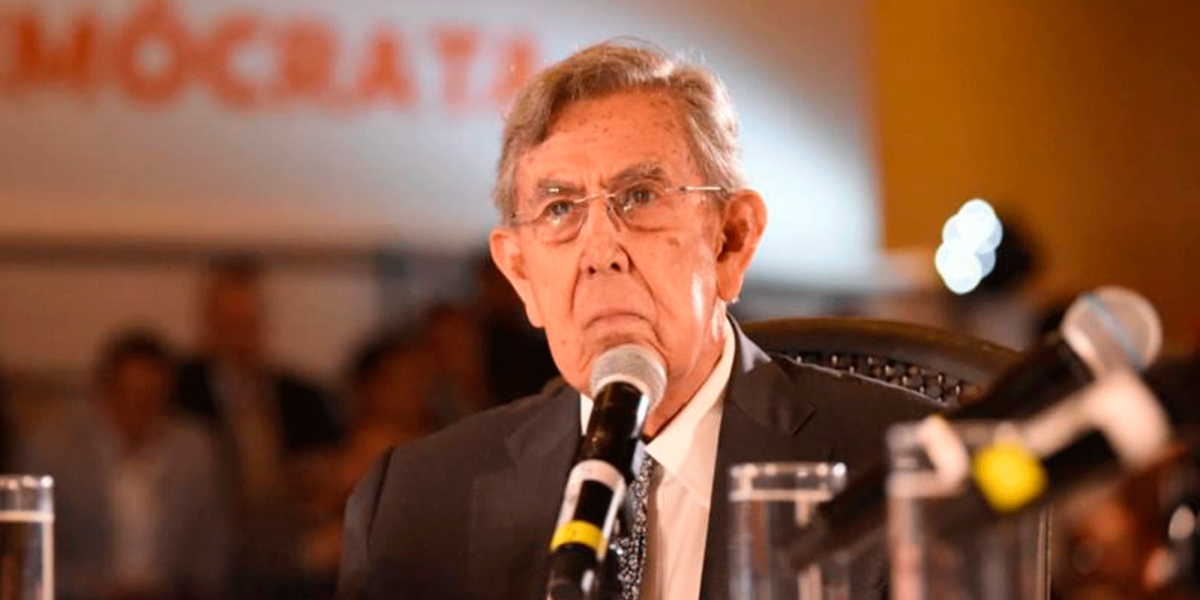
In 1963, he was named Director of Studies for the Balsas River Commission. In 1964, he became Resident Engineer and coordinated the construction of the La Villita (José María Morelos) dam on the Balsas River from 1964 to 1969. He was also a founding member and president of the Mexican Planning Society.
Cárdenas was appointed general subdirector of the steel mill renamed Lázaro Cárdenas-Las Truchas on October 19, 1970, in honor of the deceased general. From 1976 until 1980, he served as the Undersecretary of Forestry and Fauna within the former Secretariat of Agriculture and Hydraulic Resources (SARH).
On March 30, 2020, as part of the Nosotrxs Advisory Council, he co-signed a letter to AMLO and health officials requesting extraordinary general health actions and guidelines to face the Covid-19 pandemic.
Cárdenas Leaves Democratic Legacy
Cárdenas is remembered as a moral counselor and an ethical reference for those seeking stability in polarized times. He also founded the organization Frente por la Democracia.

His contribution to the defense of energy resources and electoral transparency helped shape the current competitive party system in Mexico.

15 Months Jail for Sydney Teacher Tayla Lee Brailey Over Student Abuse
Former Sydney teacher Tayla Lee Brailey was sentenced to 15 months in prison on October 28, 2026, after...
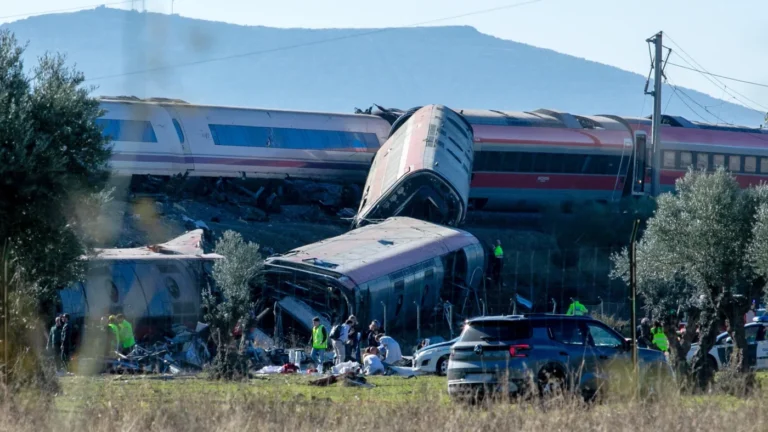
68 Dead After Renfe Train Hits Stationary Iryo Train in Spain
At least 68 people died on Wednesday, October 28, 2026, when a high-speed Renfe train slammed into the...

US Defense Secretary Pete Hegseth Pledges Stronger Defense Ties to ASEAN
US Defense Secretary Pete Hegseth sought to reassure Southeast Asian counterparts in Cebu on October 28 of Washington’s...

Uganda Embassy Confirms 14 Nationals Killed in Russian Military Service
Uganda’s Embassy in Moscow has confirmed that 11 Ugandan nationals recruited into the Russian military have been killed...