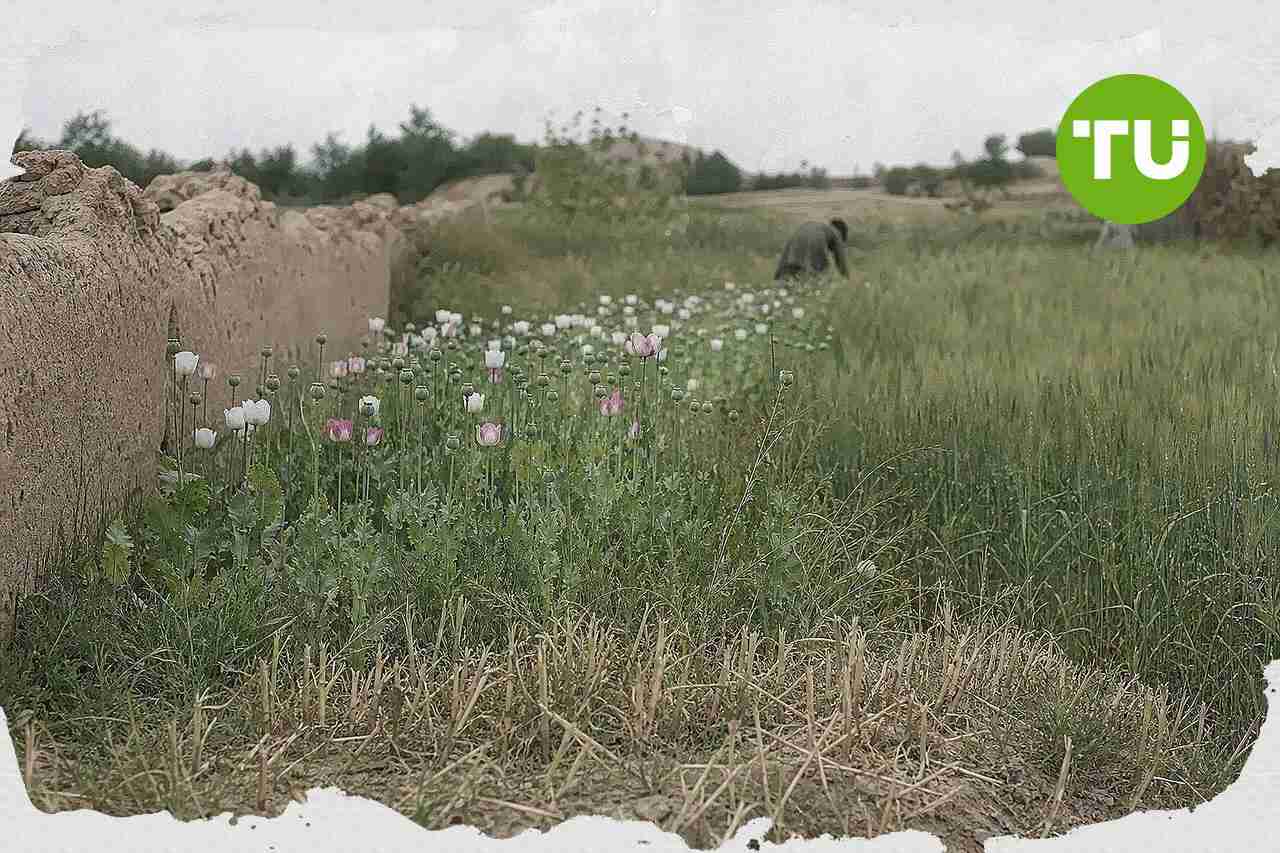
Afghanistan’s opium production multiplied fivefold over the past year following a rebound in cultivation, according to a United Nations survey released on Thursday, October 29, 2026. The surge challenges the strict prohibition imposed by the Taliban in April 2022 as impoverished farmers struggle to feed their families.
United Nations Opium Survey Details Fivefold Jump in 2026 Production
The United Nations Office on Drugs and Crime (UNODC) published its 2026 Afghanistan Opium Survey, documenting the first major increase in production since the de facto authorities banned narcotic cultivation. The area planted with opium poppy expanded by 330 percent, reaching more than 43,000 hectares compared with about 10,000 hectares in 2025. Estimated production rose by 400 percent to just under 1,500 metric tons, up from about 300 metric tons the previous year, according to the UN survey released on Thursday.
Despite the sharp jump, total output remains well below pre-ban figures. Before the Taliban outlawed poppy cultivation and all narcotics in April 2022 citing religious grounds, Afghanistan accounted for roughly 80 percent of the global illicit opium supply across approximately 232,000 hectares. The Taliban seized power in August 2021 before enacting the sweeping ban.
The fourfold increase in opium poppy cultivation shows the difficulty in sustaining decreases in illicit opium cultivation when poor farmers have no alternatives to feed their families.
Monica Juma, UNODC Executive Director
How Farmers Conceal Poppy Crops Across Sixteen Provinces
Opium poppy cultivation spread across 16 of Afghanistan’s 34 provinces in 2026, marking an increase of five provinces compared to the prior year. Three out of every four cultivated hectares were concentrated in the northeast, which has replaced the southwest as the country’s primary growing region.
To evade enforcement by the de facto authorities—who reported eradicating 22,000 hectares of poppy this year—farmers have adapted their methods. The UNODC noted that many growers are concealing small poppy plots within cereal fields or inside walled compounds, while others stagger planting and harvesting schedules to avoid detection.
Stockpiles Decline as Regional Methamphetamine Seizures Continue
Regional traffickers relied on existing opium stockpiles to maintain supply chains since the 2022 ban took effect. However, recent drug seizure data indicate those reserves are running low, and the 2026 World Drug Report identified early signs of falling heroin supplies in Europe.

Farm-gate opium prices declined to about $500 per kilogram from $570 last year, yet remain substantially higher than pre-ban levels of under $100 per kilogram. UNODC warned that large regional price differentials could stimulate trafficking from the northeastern growing region back to the southwest.
Meanwhile, parallel narcotics challenges persist. The UNODC Afghanistan Opium Survey 2025 found that methamphetamine production and seizures within 3,000 kilometers of Afghanistan remained largely unaffected by the opium ban.
Diplomatic Tensions and Borderlands Cultivation Shifts
As domestic production rebounds, the Taliban government in Kabul has pointed toward neighboring nations. During an anti-narcotics meeting in Kabul hosted by the Ministry of Foreign Affairs, Foreign Minister Maulvi Amir Khan Muttaqi described narcotics as a regional issue and urged international cooperation. Ministry of Interior Deputy Minister Sheikh Abdul Rahman Munir reported that authorities carried out 25,116 anti-narcotics operations in 2026, destroying 26,500 hectares of poppy and hashish, arresting 10,065 suspects, and closing 301 processing laboratories alongside two chemical tablet factories and 15 alcohol production facilities.
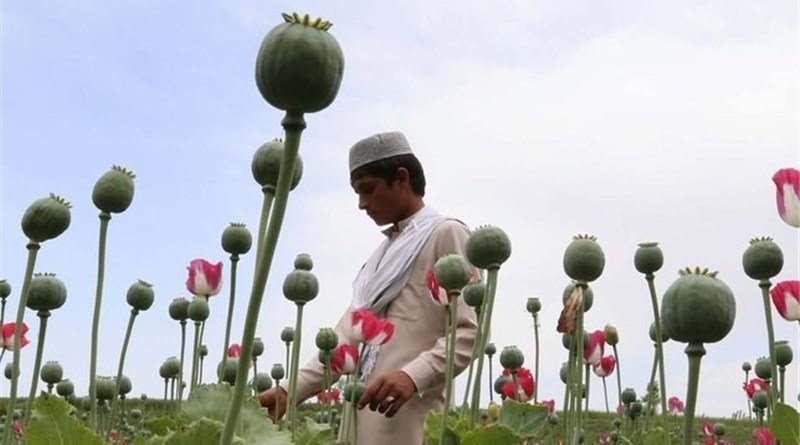
According to UK-based illicit drugs expert David Mansfield, the Taliban ban and regional instability have created conditions for extensive poppy cultivation in Pakistan’s Balochistan Province and parts of Iran, forming a new regional production center in the tri-border area.
The Taliban drugs ban, combined with growing instability in the tri-border area, has created the conditions for widespread poppy cultivation in Pakistan’s Balochistan Province and parts of Iran.
David Mansfield, Afghanistan illicit drugs industry expert
Satellite imagery assessments by British firm Alcis identified more than 9,000 hectares of poppy cultivation in Balochistan alone. Unlike smallholders in Afghanistan who grow mixed crops, farmers in these border regions are devoting large monoculture plots entirely to poppy, in some instances utilizing drip irrigation systems that indicate an expectation of low eradication risk.
Keep reading

Housing Secretary Winnie Ho Resigns Following Deadly Tai Po Fire Inquiry
Hong Kong leader John Lee apologized and announced the resignation of Housing Secretary Winnie Ho following an investigation...
Cuauhtémoc Cárdenas, Mexican Leftist Leader and PRD Founder, Dies at 92
Cuauhtémoc Cárdenas, founder of the Party of the Democratic Revolution (PRD) and a cornerstone of the Mexican left,...

15 Months Jail for Sydney Teacher Tayla Lee Brailey Over Student Abuse
Former Sydney teacher Tayla Lee Brailey was sentenced to 15 months in prison on October 28, 2026, after...

68 Dead After Renfe Train Hits Stationary Iryo Train in Spain
At least 68 people died on Wednesday, October 28, 2026, when a high-speed Renfe train slammed into the...