Tracking Florida’s Red Tide Risks From Space
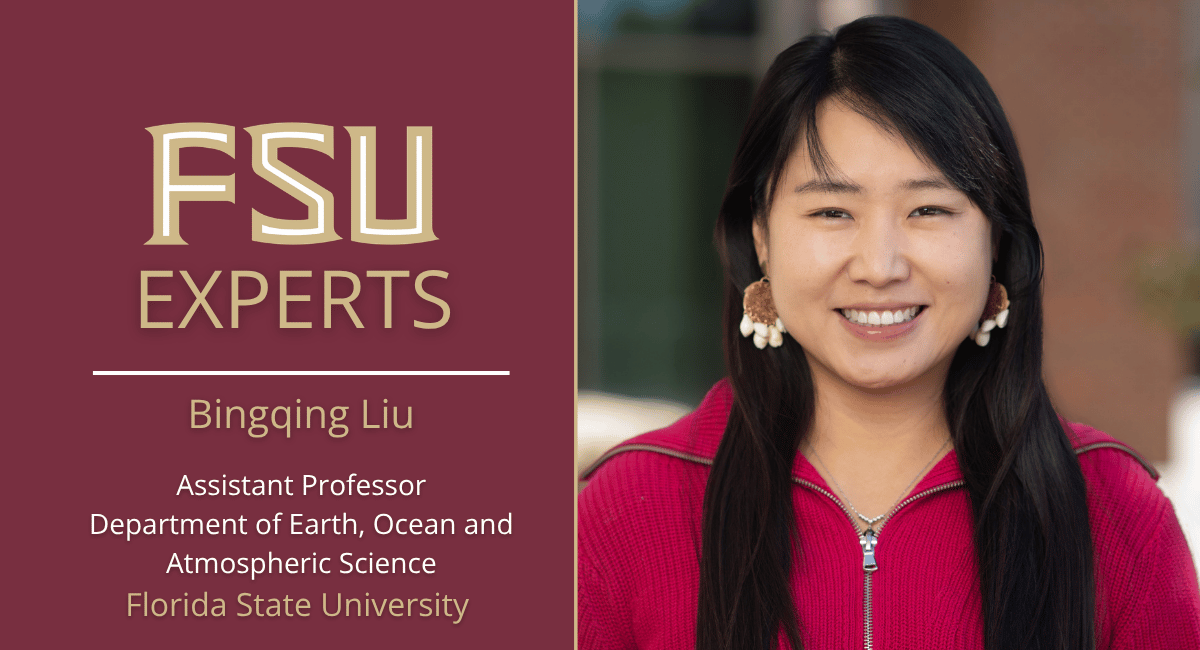
Coastal residents and beachgoers dealing with Florida’s red tide are facing a more sophisticated tracking system as artificial intelligence meets NASA satellite technology. Florida State University Assistant Professor Bingqing Liu is using advanced hyperspectral imaging to anticipate Harmful Algal Blooms in the Gulf of Mexico before they hit coastal shores, news.fsu.edu reported.
While traditional beach monitoring often relies on counting dead fish washed ashore, the work led by Liu aims to catch toxic concentrations early. This approach connects satellite oceanography directly to public health advisories for communities facing the Atlantic hurricane season.
The push for advanced monitoring comes as health conversations expand beyond typical respiratory complaints. According to the Roskamp Institute, studies have linked airborne brevetoxins from red tides to brain fog, intensified migraines, and cognitive fatigue, leaving many residents unaware of when these neurological risks peak.
How Severe Weather Fuels Algal Growth
The core of the recent research centers on how extreme weather acts as an accelerator for toxic blooms. Liu was part of a research team that published a study in Scientific Reports detailing how extreme weather events, such as Hurricane Milton in 2024, can cause rapid intensification of Karenia brevis red tides, news.fsu.edu reported. Funded by the NASA PACE Program, the study explains that heavy rainfall and severe runoff wash large amounts of pollutants into coastal ocean waters, creating ideal conditions for toxic algae to grow.

This dynamic creates a growing health risk for populations living near coastal waterways during active storm seasons. For the first time, data from NASA’s PACE satellite allows scientists to map and distinguish different algal groups in coastal waters.
“New hyperspectral satellite missions such as PACE provide far more detailed information on ocean color, enabling us to distinguish phytoplankton types and not just overall abundance, including harmful species such as Karenia brevis,” Liu said, according to news.fsu.edu. “This capability allows for earlier and more accurate detection of bloom development over large spatial scales.”
When paired with environmental forecasting tools, these satellite observations can provide advance notice of potential exposure. This gives vulnerable individuals—particularly those prone to respiratory or neurological symptoms—time to take precautions before conditions worsen along the coast.
Moving From Observation to Anticipation With AI
The integration of machine learning algorithms changes how oceanographers approach coastal monitoring. Traditional methods often spot blooms only after they have formed and begun affecting marine life.
By contrast, AI helps researchers look at the precursors of a bloom.

“AI allows us to move from simply observing harmful algal blooms to anticipating them,” Liu explained to news.fsu.edu. “By combining satellite observations, such as those from NASA’s PACE mission with ocean models and environmental data, AI can identify patterns that precede red tide events, including changes in phytoplankton communities and physical–chemical conditions.”
These conditions include temperature, salinity, currents, and nutrient levels. Tracking these variables helps generate short-term forecasts that support timely public advisories.
While technology cannot prevent red tides from forming, these models aim to reduce their impact on coastal ecosystems and human health. The airborne toxins released when wave action breaks open algal cells can lead to respiratory irritation and neurological symptoms like headaches. These toxins can accumulate in shellfish, creating consumption risks.
Liu is presenting her research on remote sensing of red tides this week at the 13th Symposium on Harmful Algae in Iowa. Media and interested individuals can reach out to her via email at [email protected].
Mississippi Rural Health Transformation Program: GPO Procurement Requirements
When public funds flow into rural health initiatives, the paperwork trail matters just as much as the medical...

Minneapolis Council Advances Proposal to Eliminate Safety Office
Minneapolis Moves Closer to Dissolving Office of Community Safety in 9-3 Committee Vote Minneapolis city leaders are weighing...
Grand River Connection to Host Morning Mingle on Local Experiences
Lansing Unwrapped Brings Local Experience Gifting to MSUFCU This November Put down the Amazon app and skip the...

Jayson Tatum Scores 40 as Celtics Edge Nets 125-124 in Overtime
Jayson Tatum Secures 40-Point Night as Celtics Edge Nets 125-124 in Overtime Thriller Jayson Tatum buried a 17-foot...