
Little free libraries are expanding book access across Colorado’s identified book deserts, where research shows many homes lack 100 or more books.
In Walsenburg, kindergarten teacher Sharona Wade runs Mrs. Flamingo’s Book Club, a nonprofit that hosts story times, mails monthly books to children over five and partners with local businesses to reward reading.
Huerfano County, southwest of Pueblo, was designated a “book desert” in 2014 by the Fort Collins publisher Unite for Literacy after researchers mapped the likelihood of homes containing 100 books — a threshold linked to better academic outcomes, The Colorado Sun reported.
Wade said a defining moment came during a 2020 COVID shutdown when a student gave her a video tour of a home with no books visible. “I thought she was just trying to get out of her homework, you know what I mean?”
Wade said. “But she picked up her Chromebook, and she walked around her house and gave me a tour, and there wasn’t a book in sight, not even a phone book. I had to turn off my camera and cry.”
Community anchors the network
At Gub’s, a pizza stand and ice cream parlor opened in 2022 in a renovated 1960s Standard Oil station, owners Helena Cappon and her husband launched a reader’s club modeled on a Pizza Hut program.
Children who read 40 chapters earn a free pizza; the shop has awarded more than 400 pizzas in four years. A bright blue little free library sits at the property’s edge with a plaque reading “Take a Book, Share a Book.”
“Especially in a small town, you cannot expect support if you do not give it,” Cappon said.
Walsenburg’s library is one of Little Free Library’s “impact libraries,” a grant program providing a free structure, installation and starter books to communities demonstrating need. The waitlist for an impact library is about 500 long, spokesperson Margret Aldrich said.
From Wisconsin to Antarctica
The concept crystallized in 2009 when Todd Bol of Hudson, Wisconsin, built a miniature one-room schoolhouse as a tribute to his schoolteacher mother. He aimed to match Andrew Carnegie’s 2,509 public libraries by 2013 and surpassed the goal by mid-2012. The nonprofit registered that year to support the informal network.

Today more than 200,000 registered little free libraries exist in all 50 states, 128 countries and on all seven continents. In Colorado, they appear in towns including Ignacio, Arboles, Durango, Alamosa, Fort Morgan, Sterling, Akron, Otis and Yuma.
In Boulder, retired climate scientist Russell Schnell has built and shipped 174 libraries worldwide, including one to Antarctica via a cargo shipment to the South Pole. Schnell, who shared the 2007 Nobel Peace Prize for climate work, constructs each from donated cabinet doors for about $50. “It just started,” Schnell said. “And I’m retired, so I’ve got lots of spare time.” He has enough materials for roughly 20 more.
Access versus engagement
Unite for Literacy co-founder Michael McGuffee said book access is only part of the literacy equation. “When I was a kid, everybody thought that their kids needed to play the piano, so we all had piano lessons and we all got gold stickers,” McGuffee said. “But it’s two very different questions to ask: do you know how to play the piano, and do you play the piano?”
Unite for Literacy mapped Colorado’s book deserts in 2014 by performing statistical analyses of National Assessment of Educational Progress (NAEP) and U.S. Census Bureau American Community Survey data, including the number of books in 4th graders’ homes, average community income, ethnic diversity, geographic location and home language to predict the likelihood of homes containing 100 books.
Wade said a funder once asked, “‘sure, you’re giving books to kids, but how do you know they’re reading them?'” Researchers have long correlated home libraries of 100-plus books with higher academic achievement, though later studies questioned whether books themselves drive outcomes or reflect socioeconomic status.
In April, a five-year study of 60 high-poverty elementary schools found a major difference in outcomes for schools that received free book distributions over four years compared with those that did not.
Related reading
No. 11 Providence Routs UMass 9-3 With Three Shorthanded Goals in One Penalty Kill
No. 11 Providence routed Massachusetts 9-3 at Schneider Arena on Saturday night, sweeping the weekend series and handing...

Vermont Public: Late November Window for Dormant Grass Seeding
Late November offers a narrow window for dormant seeding, a technique that lets grass seed sit inactive under...
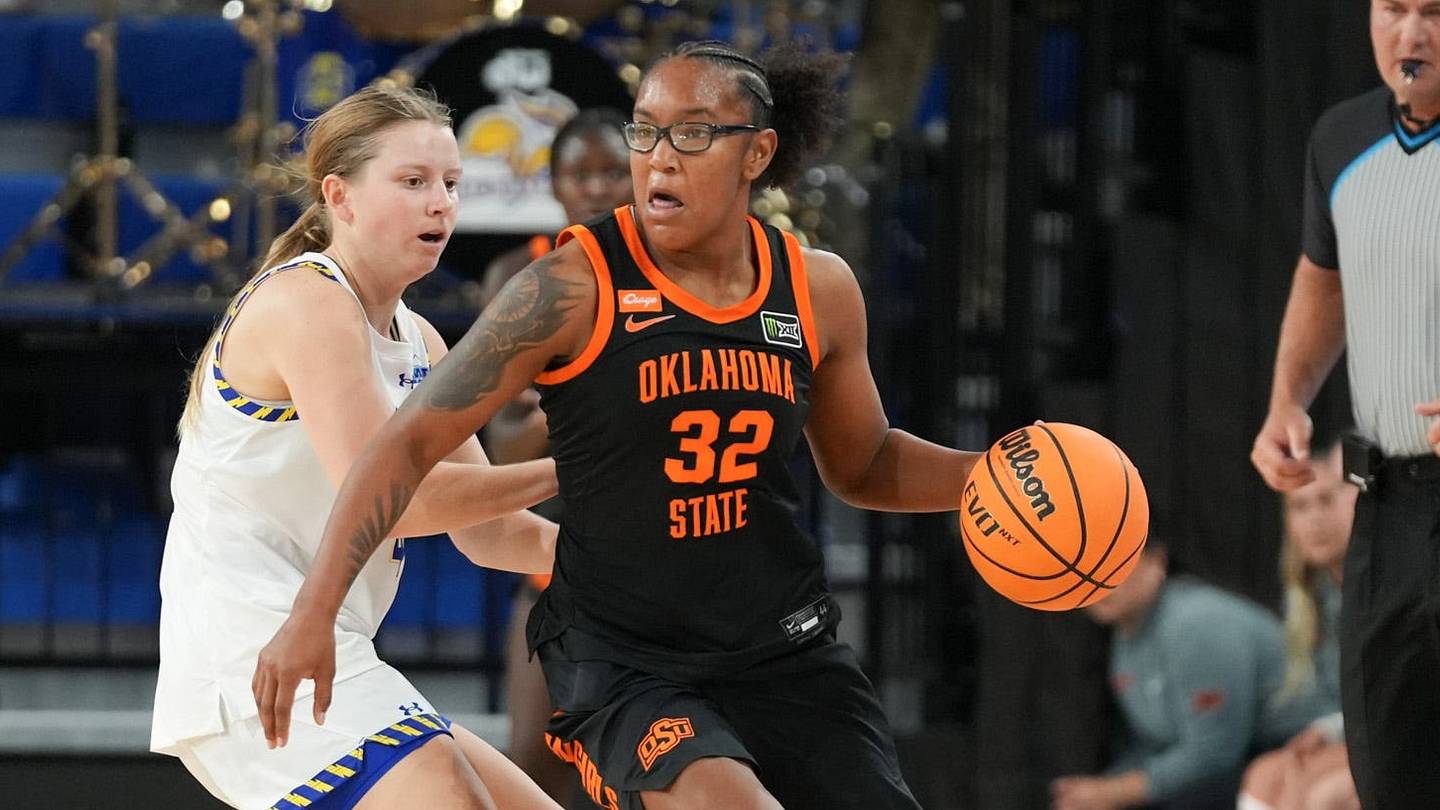
No. 25 Oklahoma State Faces Wichita State After Record-Setting Shooting
No. 25 Oklahoma State shot a program-record 69.1% from the field Friday against Little Rock, the fifth-best single-game...
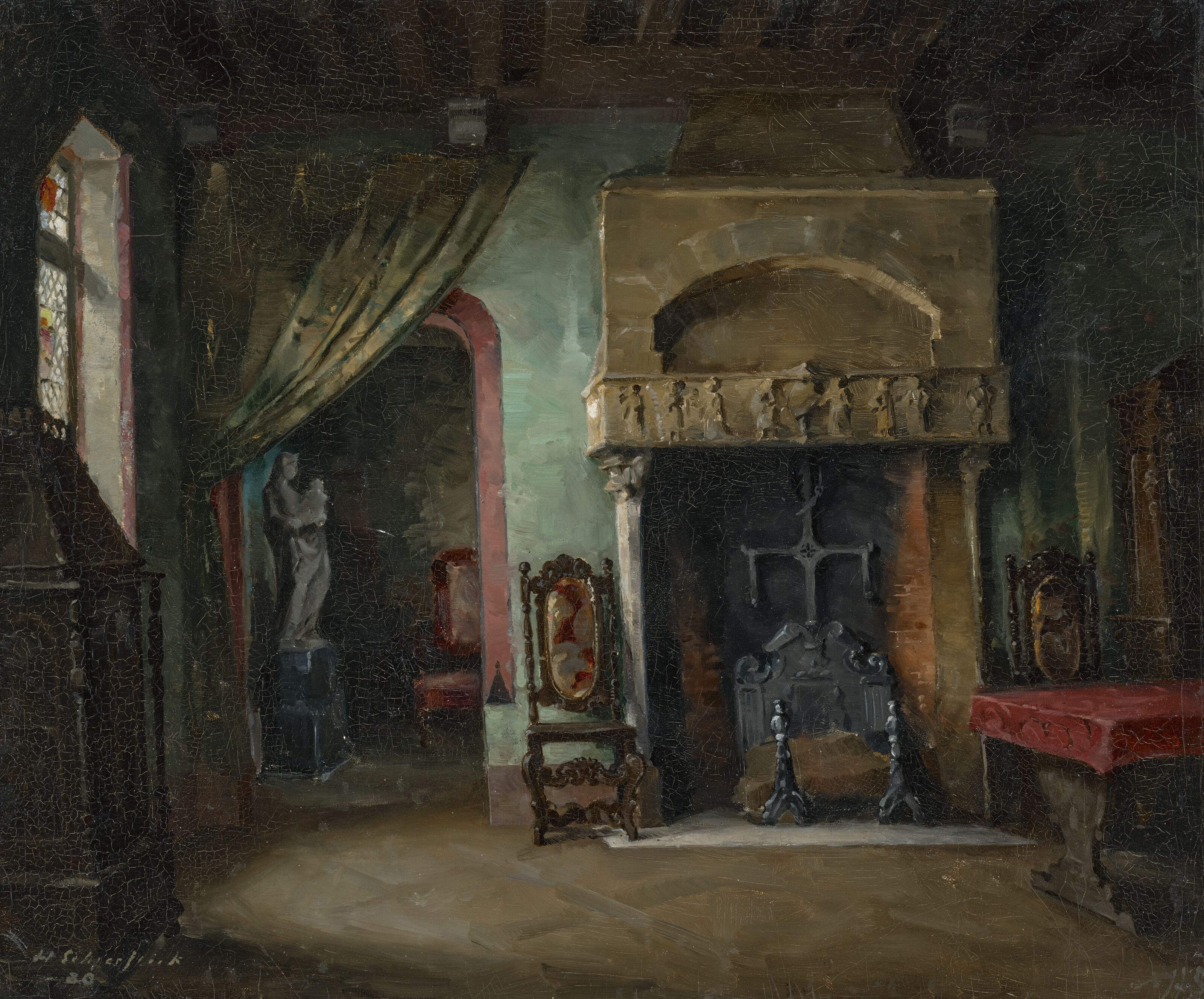
Christie’s Reframes Schjerfbeck’s 1884 Musée de Cluny Interior as Pivotal Moment Light Became the Subject
A Christie's catalogue essay reframes Helene Schjerfbeck's 1884 interior of the Musée de Cluny as the moment light...