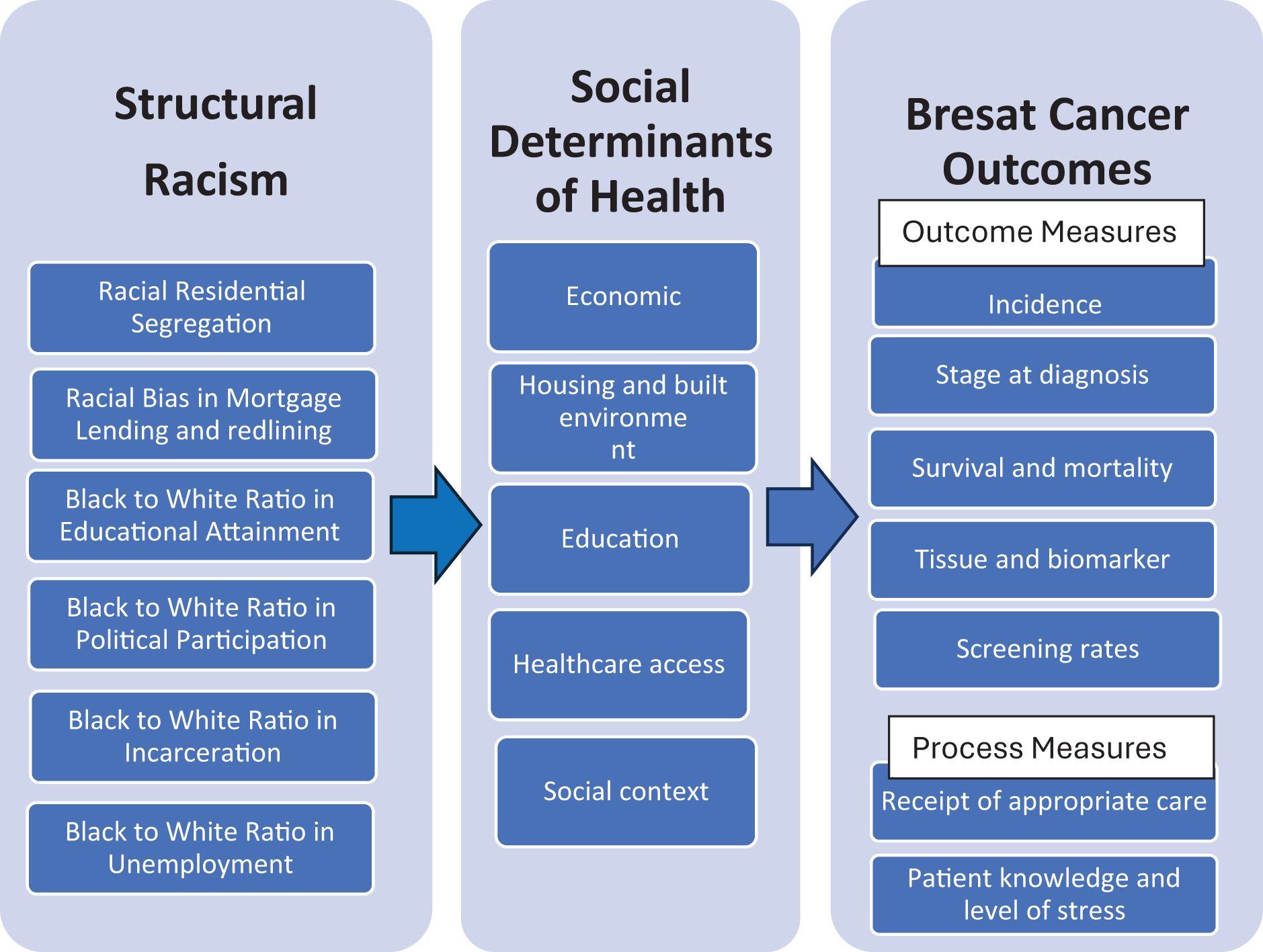
Dr. Avenel Joseph argues that voting is a public health issue, connecting civic participation directly to measurable health outcomes and warning that restrictive voting laws damage community well‑being, according to a podcast conversation released by Columbia University.
Joseph, the vice president of policy at the Robert Wood Johnson Foundation, traced the link from the ballot box to the clinic in an interview with Michael Sparer, director of the Center for Public Health Implementation at Columbia.
The discussion, recorded shortly before the midterm elections, frames voting not merely as a political right but as a social determinant of health rooted in what she calls the “political determinants of health.”
“The political determinants of health essentially establishes that social conditions such as housing quality, neighborhood safety, environmental pollution, transportation access — so all of the social determinants of health are actually downstream effects that are rooted in the upstream political choices that people are making,” Joseph said.
She cited research showing that states with more accessible voting policies report better mental health, fewer uninsured residents, lower infant mortality, and are significantly more likely to adopt policies such as Medicaid expansion. Conversely, communities facing restrictive voting practices experience worse health outcomes.
Joseph, who holds a PhD in cell and molecular biology, described the impact of civic participation. The act of voting connects people to neighbors, builds trust in institutions, and boosts a sense of agency — factors with measurable effects on longevity and mental health.
“It’s not rocket science, okay? People do study this, and that boosts people’s mental health. It boosts their well‑being. It boosts their sense of agency, and all of that has measurable impacts in the improvement of health,” she said.
Stripping that agency through restrictive laws, she argued, inflicts direct harm: “When you have really restrictive voting processes, when you are stripping people of their agency, when you are restricting their ability to sort of step into what is their civic responsibility, it has significant detrimental impacts on their health and the health of all of their community.”
Joseph’s path to the argument runs through a congressional fellowship that turned into a nearly 12‑year career as a Hill staffer. She learned that scientific evidence alone rarely drives policy; stories — whether from affected communities or corporate lobbyists — shape how lawmakers contextualize data.
“Research could inform the laws and the budgets and the systems, but those systems ultimately are gonna determine how that evidence gets translated into people’s lives,” she said. “And often who was influencing what was gonna end up in legislation were people who had particular interests at heart, and typically those were sort of corporate interests and how they were gonna be preserved in the process.”
The conversation on the Columbia University podcast “Who the Health Cares” highlights the link between democratic participation and health outcomes.
Keep reading
Social Security Trust Fund Depletion Date Moves to Q4 2032, Report Shows
The Old-Age and Survivors Insurance Trust Fund will run dry in the fourth quarter of 2032 — a...
Wyoming Students Post Strongest Proficiency Gains in Years as Enrollment Falls 1,400
Wyoming students posted their strongest proficiency gains in years as enrollment fell by 1,400 students in a single...

Kelly Fields Joins 12-Member Huntsville-Madison County Athletic Hall of Fame Class of 2027
Kelly Fields will join the Huntsville-Madison County Athletic Hall next spring. Alabama A&M Athletics announced Wednesday that the...

Thurston County Commissioner Wayne Fournier Argues Olympia Airport’s Airlift Northwest Base Cuts Emergency Response by 35 Minutes
Thurston County Wayne Fournier argues the debate over Olympia Regional Airport misses its most vital function: the Airlift...