
For students figuring out how to get into the University of Nevada, Las Vegas for the 2026-2027 academic year, eligibility does not require hitting every single benchmark at once. According to published first-year undergraduate standards from UNLV, applicants can qualify through a 3.0 core-course GPA, an eligible Nevada diploma, or qualifying SAT or ACT test scores as alternative pathways.
What are the official first-year admission routes at UNLV?
Applicants often trip up by assuming they need both a high GPA and a strong standardized test score. The catalog explicitly treats these requirements as alternative routes rather than simultaneous mandates. If your academic record in specific high school classes hits the mark, standardized tests become completely optional for basic eligibility.
The core-course GPA route requires a 3.0 across 13 specified academic units. That means four units of English, three units of mathematics, three units of social science, and three units of natural science. Crucially, your overall cumulative high school GPA is not what admissions officers evaluate. A student with a solid cumulative 3.0 might still fall short if the specific 13-unit calculation produces a lower number.
| Admission Route | Published Standard |
|---|---|
| Core-Course GPA | 3.0 GPA in 13 approved core units |
| Nevada Diploma | Eligible Nevada Advanced Diploma or College and Career Ready Diploma |
| SAT Score | 1120 combined Evidence-Based Reading and Writing and Math score (exams taken after March 2016) |
| ACT Score | 22 composite score |
If your core GPA sits below that 3.0 threshold, test scores provide a backup route. An SAT score of at least 1120 or an ACT composite score of 22 will satisfy the academic requirement. Official scores can be submitted using UNLV’s institutional codes: 4861 for the SAT and 2496 for the ACT.

Why does the November 15 financial aid deadline catch applicants off guard?
While the final deadline for fall applications stretches all the way to June 1, waiting until later to sort out paperwork can cause delays. UNLV reports that incoming first-year students seeking priority consideration for institutional grants, scholarships, and early financial aid estimates must clear a much tighter hurdle: November 15.
Students must be fully admitted and finish their required financial aid applications by that mid-November date to get a fair shot at institutional funding. Admission and financial aid operate as entirely separate administrative tracks. Simply getting an acceptance letter does not automatically complete your financial file, and priority consideration never guarantees an award.
What records and documents must be submitted?
The application checklist requires either the Common Application or the UNLV Application, paired with a $60 nonrefundable fee for domestic applicants or a $95 fee for international applicants. Students must submit high school transcripts that show both completed coursework and classes currently in progress.
Dual-enrollment courses taken during high school require extra attention. UNLV demands an official transcript from every single college or university attended, regardless of whether college credit appeared on the high school record. Omitting a dual-enrollment college transcript is one of the most common administrative missteps that stalls an application.
International applicants face additional hurdles, including proof of English proficiency, a passport copy, financial certification, and the paperwork required to issue a Form I-20.
What happens next in the admissions timeline?
Once an application is submitted, applicants must monitor their online portals closely. A submission confirmation message does not mean the admissions office has successfully matched every transcript and test score. High school seniors should audit their core units before their final year begins, ensuring any gaps in math or science are addressed before schedules are locked in stone.
Related reading

Lewiston is among the Maine schools that are adding more recess breaks. Here’s why
Lewiston Schools Add Recess Breaks to Improve Focus Across several Maine districts, administrators are quietly altering the daily...
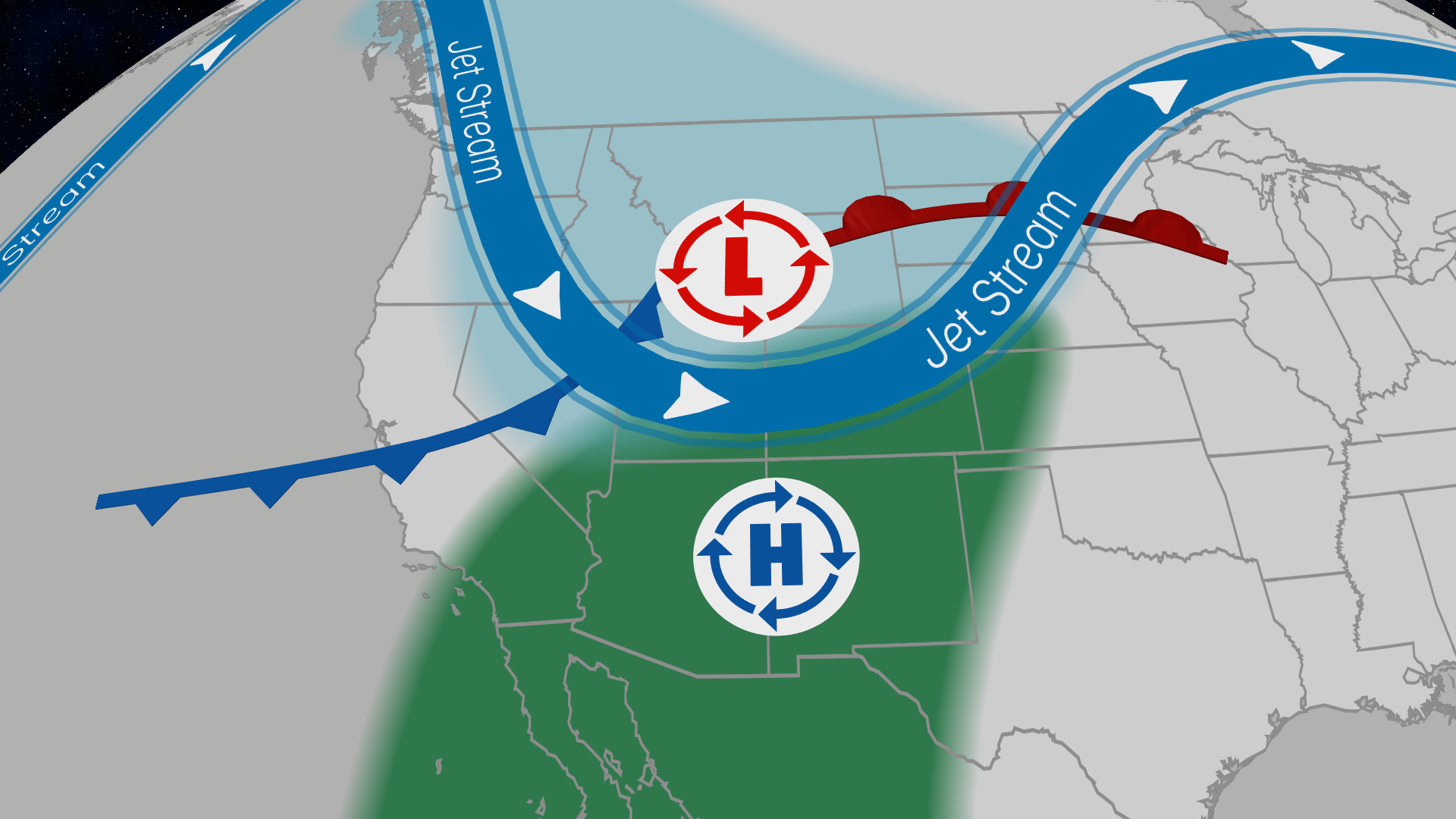
Tornadoes surge in Arizona, New Mexico this month. Here’s why. – The Weather Channel
When the Desert Spins If you live in the Southwest, severe weather and tornadoes rarely interrupt an afternoon....

Trudy Redus, founder of Motivating People Across Communities (MPAC), has officially earned the
Professional Milestones and Community Resilience in Jefferson County Trudy Redus, founder of Motivating People Across Communities (MPAC), has...

In numbers: Manchester United the worst in the transfer window, Real Madrid runner-up
Manchester United Leads Europe in Transfer Market Losses With £334 Million Deficit Manchester United has managed the transfer...