
Drivers in England and Wales who believe their number plate has been copied can now report the incident to the police and the Driver and Vehicle Licensing Agency (DVLA) through a single online form. The tool, which was announced by the National Police Chiefs’ Council in October 2026, is available through participating local police force websites and automatically shares reports with the DVLA.
The new service, delivered by policing in partnership with the DVLA, removes the need for victims to contact both organizations separately. Previously, victims had to report incidents to the police via phone or a general form and then contact the DVLA separately by phone or in writing.
While the online form merges the first two steps for those in England and Wales, drivers must still manually challenge every penalty they receive.
Cloning occurs when criminals copy a legitimate vehicle’s registration number and display it on another vehicle, often one of a similar make, model, and colour. This is frequently used to evade detection for offences such as speeding, parking violations, or charge evasion.
Last year, a record 11,400 drivers contacted the DVLA regarding fines they did not recognize or accept responsibility for, most of which are believed to be the result of cloning.
“We know that having your numberplate cloned can be a distressing experience and we want to make the process for reporting this as straightforward and supportive as possible,” said Tim Forber, National Police Chiefs’ Council lead for automatic number plate recognition (ANPR).

“Ensuring we collect the right information from the victim in the first instance supports policing in making enquiries, identifying, and investigating offending vehicles and those responsible for the cloning,” Forber said.
“As well as providing an improved experience for victims, the national tool will help us to better collate data to understand the scale of the problem with cloned plates, working alongside our partners at DVLA and across Government to tackle the issues associated with illegal numberplates,” Forber added.
The government has also issued guidance to help motorists avoid illegal plates, as early police findings suggest the public is also unwittingly being sold incorrect plates.
For those buying used cars, the government advises checking that the registration number is consistent with information held by the DVLA. The DVLA’s online vehicle information service can be used to verify a vehicle’s registration, engine size, fuel type, and tax and MOT expiry dates.
“Illegal plates are being used by criminals, but it is also the case that innocent motorists can have illegal plates on their vehicles without their knowledge,” said Roads Minister Justin Madders.
“We are going to make it easier for victims of cloned plates to report them as well as [launching] webpages to help drivers when they buy number plates and used cars from reputable sellers. These are small everyday fixes from the government which could help you avoid unwelcome attention from police,” Madders said.
Drivers in Scotland and Northern Ireland, or those in England and Wales who prefer to report by phone, must still call the police on 101 and then write to the DVLA with the registration number and copies of any incorrect fines.
A keeper can continue to drive after a plate has been cloned, though police may stop any vehicle showing the registration to ask for a report reference number, the log book, and a driving licence.

Jennifer Aniston, 57, Trains With PVOLVE Three to Four Times Weekly, Trainer Says
Jennifer Aniston, 57, maintains her fitness through a functional movement method called PVOLVE, training three to four times...
Nitazene Found in System of 21-Year-Old After $10 Social Media Pill
A $10 pill bought over social media killed 21-year-old Qua Broughton after the synthetic opioid nitazene was found...
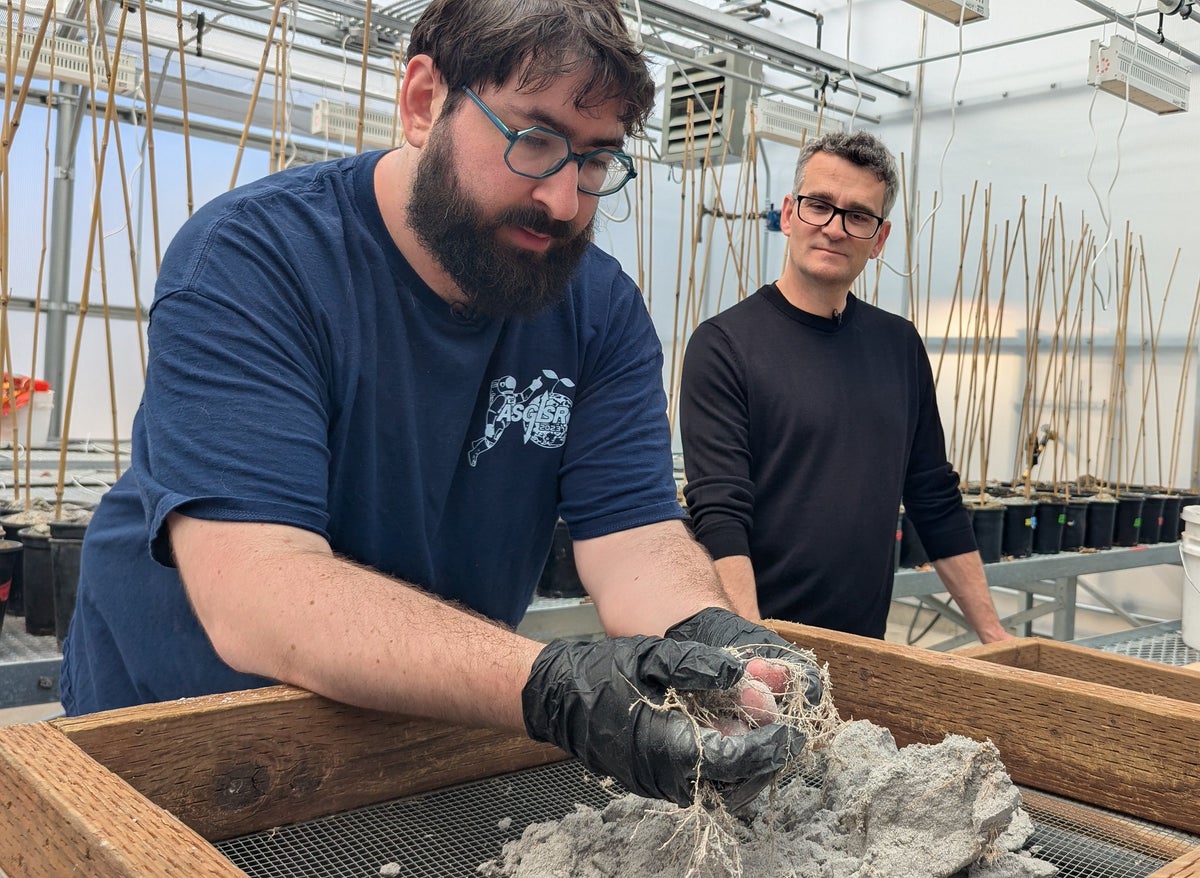
Oregon State Study: Potatoes Complete Life Cycle In Lunar Soil With Vermicompost
Lunar soil, made up of dust and rock, contains no nitrogen at all, so no crop can grow...

Persimmons: Nutritional Benefits and Rare Bezoar Risks for Vulnerable Groups
Ynetnews reported that Israeli doctors are warning that persimmons can form hard, obstructive masses in the stomachs of...