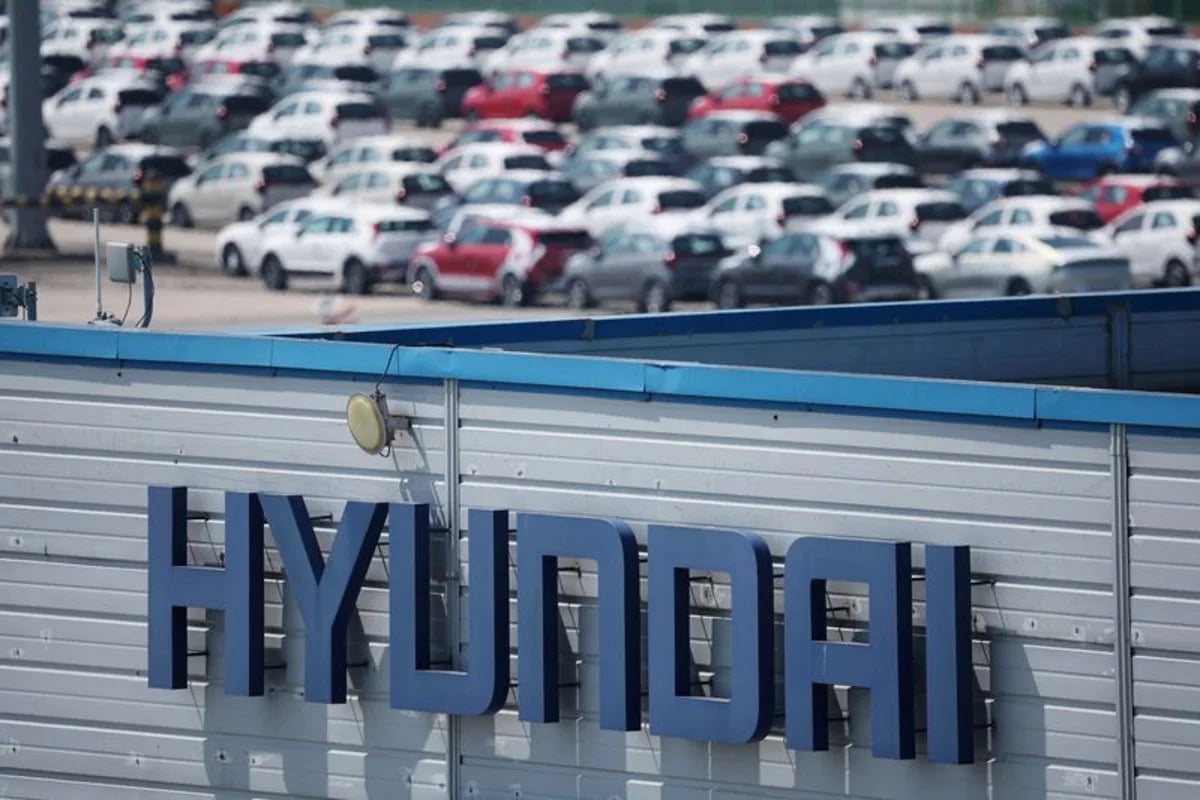
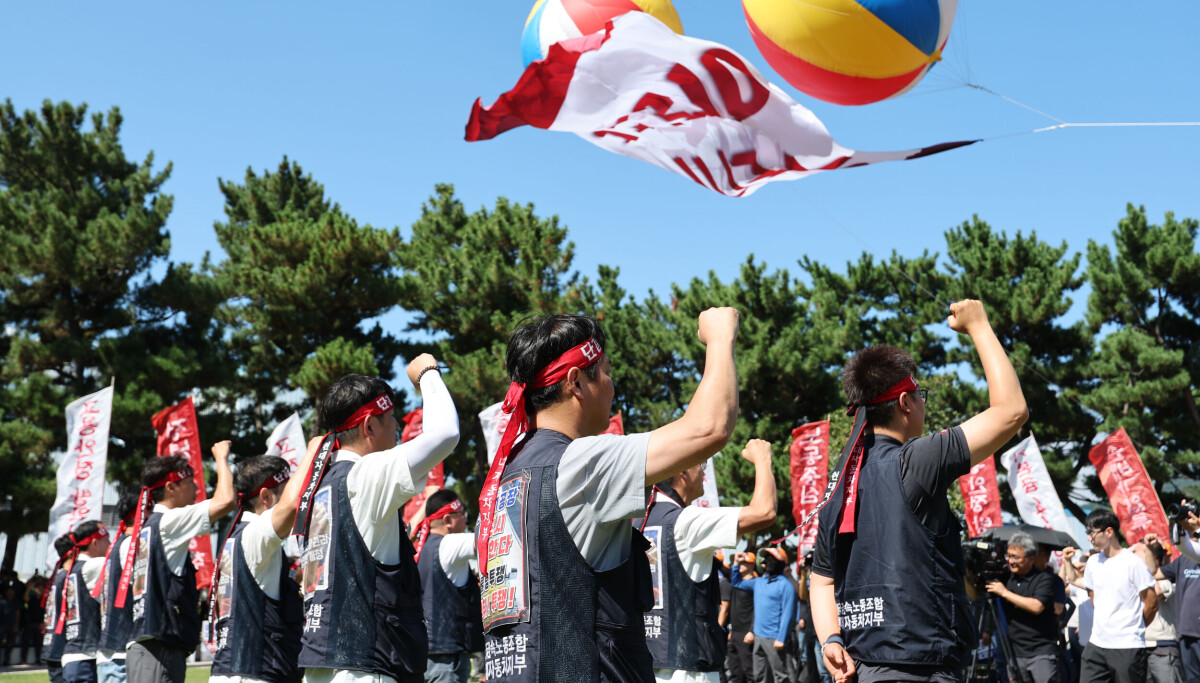
Hyundai Motor union workers launched a historic full-day strike on Friday, shutting down production lines at major South Korean manufacturing facilities in an escalating wage and retirement dispute. The walkout—the company’s first full-day strike in a decade—comes amid rising labor tensions and slumping global sales.
Production lines across Hyundai Motor’s plants in Ulsan, Jeonju, and Asan went dark as the automaker faced its most severe labor disruption in ten years. Around 39,000 union members participated in the walkout, including both production and office staff, according to reporting from local and international outlets. The stoppage idled facilities for a combined 16 hours across the morning and afternoon shifts, deepening financial losses for South Korea’s top automaker.
Stalled Wage Negotiations and Disputed Demands
The labor standoff follows 16 rounds of contentious wage negotiations that failed to yield an agreement. While management and union leaders resumed talks recently, the two sides remain deeply divided over a trio of core issues separate from base compensation. The union is pushing for a 50 percent increase in performance-based pay, the reinstatement of workers dismissed over unlawful conduct during past union protests, and an extension of the mandatory retirement age.
Hyundai management maintains that those three specific issues fall outside the proper scope of annual wage negotiations. The company argues that there are no legal grounds to reinstate dismissed employees and contends that changing the retirement age is a policy matter that should be handled by lawmakers rather than decided at the bargaining table. The union counters that fixed base wages make up only 54.8 percent of members’ total pay, leaving workers reliant on overtime and holiday shifts to make a living.
“The company’s retained earnings stood at 101.3 trillion won as of last year,”
Union representatives, via Koreajoongangdaily
Management has countered with its own proposals, offering an 80,000-won increase in monthly base pay, a performance bonus equivalent to 350 percent of monthly salary plus 10 million won, and 15 shares of company stock, the company’s compensation offer showed during recent bargaining sessions.
Mounting Production Deficits and Sales Pressures
The industrial action has taken a severe toll on output.

The labor friction coincides with an awkward commercial downturn for the automaker. Hyundai Motor reported that its global sales declined 5.1 percent in July from a year earlier, marking the company’s 10th consecutive month of falling global figures. Domestic sales dropped 14.4 percent to 48,113 units, while overseas sales slipped 3.2 percent to 270,341 units, according to published trade data. The production stoppages have also lengthened delivery times for consumers, with waiting periods for models like the Kona increasing to three to four months.
Broader Industrial Unrest and Future Mobility Pressures
The walkout at Hyundai is part of a broader wave of labor activism across South Korea’s heavy industries, fueled in part by the political climate following the election of pro-labour liberal President Lee Jae Myung. Labor friction has spread to affiliate Kia Corp, where workers have also secured the right to strike, as well as Renault Korea and steelmaker Posco, where unions have moved toward potential industrial action.
Compounding the immediate salary and retirement debates is the looming shadow of automation. The union is demanding robust job protections as Hyundai embraces artificial intelligence and robotics. The automaker owns humanoid robot maker Boston Dynamics and plans to deploy humanoid robots at its U.S. plant in Georgia starting in 2028. Management has emphasized that both sides must navigate these technological transitions cooperatively.
“Strike action can impact our customers, partners and operations.”
Hyundai Motor, via Yahoo
With the union scheduling additional four-hour partial walkouts for the coming days and preparing to convene its central strike committee to discuss further escalation, the immediate question remains whether management and labor can bridge their differences before the new-model rollout of vehicles like the redesigned Avante and upcoming Tucson suffers permanent market damage.
Related reading

Gold Prices Hold Steady as Dollar and Treasury Yields Offset Rate Bets
Gold prices held steady near $4,140 per ounce as pressure from a strengthening U.S.
OpenAI Seeks $30 Billion in Funding From UAE Funds and BlackRock
OpenAI is actively seeking to anchor its latest round of financing through deep-pocketed institutional partners.
Euro Hits 17-Month Low as France Debt Worries Weigh
The euro plunged to a 17-month low against the dollar on Monday as mounting anxiety over France's fiscal...

South African Firms Face R17.73 Million Average Ransomware Recovery Cost
South African organisations face average ransomware recovery costs of R17.73 million, according to a 2026 cybersecurity report.