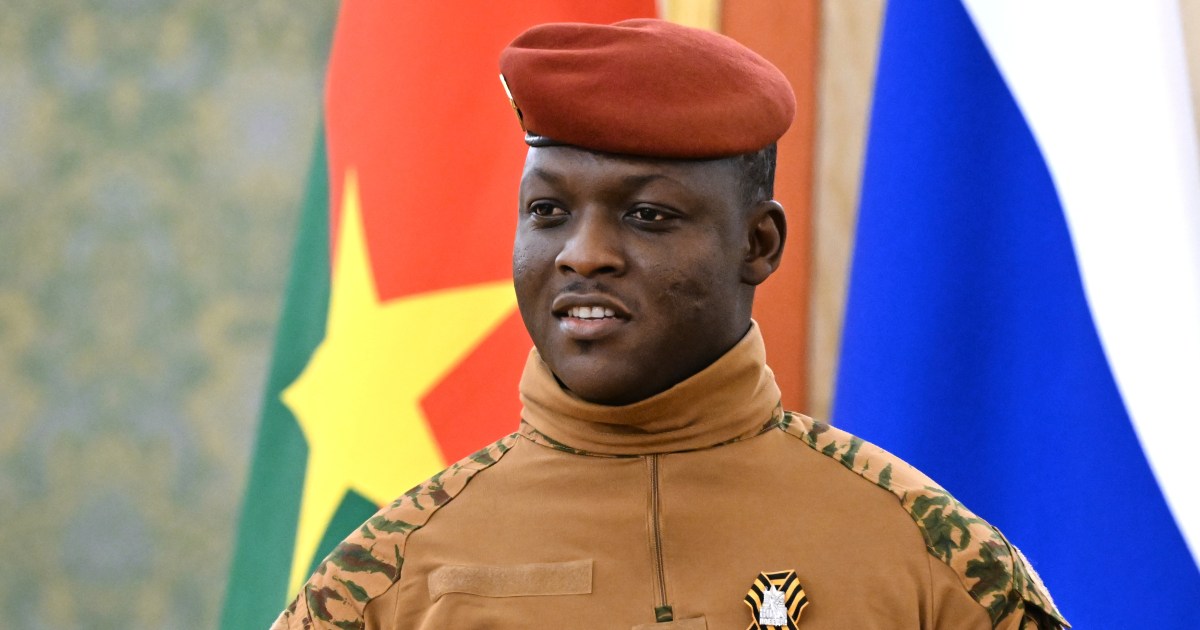
Burkina Faso’s military leader Captain Ibrahim Traoré has rejected calls to implement Sharia law and ordered the repatriation of hundreds of citizens studying Islamic law abroad, sparking an escalating political confrontation with influential Sunni scholars.
The Religious Freedoms Law and Crackdown on Clerics
The widening rift between the military government and sections of the Muslim community follows months of assertive policy shifts in Ouagadougou. The Transitional Legislative Assembly unanimously adopted the Religious Freedoms Law on June 20, a measure officials state is designed to reinforce the state’s secular character, regulate places of worship, and introduce prison terms and fines for practices classified as religious abuses, such as child begging and financial transparency breaches.
The legislation immediately alienated prominent Sunni figures who had previously backed the regime. In late May, authorities arrested Imam Mohamed Ishaq Kindo after he criticized the draft legislation, triggering protests that prompted the government to close the largest Sunni mosque in the capital over public order concerns. Security sources told Agence France-Presse (AFP) that about 100 supporters of the imam were transferred to a military camp for civic training. A similar detention befell Imam Mahmoud Barro in Bobo-Dioulasso in mid-April.
Traoré’s Rejection of Sharia and Repatriation of Students
Addressing community representatives in a speech that circulated widely on social media, Captain Traoré explicitly drew a line against religious governance. The 38-year-old transitional leader, who seized power in a September 2022 coup after overthrowing Lieutenant Colonel Paul-Henri Damiba, declared that Sharia law will never be introduced in the West African nation despite his personal adherence to Islam.

“I am a Muslim, but everyone in Burkina Faso has the right to practice their own religion. There will never be Sharia law in this country.”
Captain Ibrahim Traoré, transitional President
During an address to the Forces Vives of the Yaadga region in northern Burkina Faso, Traoré turned his focus to the hundreds of young citizens pursuing religious studies overseas. Accusing foreign actors of exploiting religion to destabilize the country, he ordered the repatriation of students studying Sharia in Saudi Arabia and other Arab nations, threatening to strip citizenship from anyone who refuses to return.
“Eight hundred and some thousand students study Sharia; they do not learn a trade. I will bring them back, and anyone who does not return will no longer be Burkinabè.”
Captain Ibrahim Traoré, transitional President
Regional Backlash and Criticisms from Islamic Scholars
The hardline stance on foreign education and domestic preaching has ignited intense debate across West Africa. Nigerian Islamic scholar Sheikh Ahmad Gumi published a scathing critique on his Facebook page, labeling Traoré too young and naive to comprehend the complexities of society and global geopolitics.
“Captain Ibrahim Traoré (born 14 March 1988), with his anti-Shariah stance, at the age of 38, with nothing but military training on his resume, is too naive to understand even the complicity of the society he is ruling under the gun, let alone the dynamics of contemporary geopolitics. He has given the extremists the weapon they need to conscript more foot soldiers against his secular regime.”
Sheikh Ahmad Gumi, Islamic scholar
Shifting Diplomatic Alignment Amid Security Pressures
The internal religious friction unfolds as Burkina Faso continues to combat entrenched Islamist insurgencies linked to al-Qaeda and the Islamic State, which have forced churches and mosques alike to close across embattled northern and eastern regions. To counter radicalization, the government has pledged state support for imams who preach peaceful messages while demanding that overseas study programs obtain prior approval from the Ministry of Higher Education.

Simultaneously, Traoré’s administration has signaled subtle shifts in its international posture. Africa Intelligence reported that an accreditation request submitted by Israel’s new ambassador, Simon Seroussi, in the summer of 2025 remained pending before being quietly approved. Traoré’s public reception of Seroussi in Ouagadougou to present credentials marks a departure from the strict anti-Western image cultivated by his inner circle.
Pan-African Debate and the Unresolved Domestic Rift
Online commentators and citizens across the Sahel have divided sharply over the measures. Viral video reactions have praised the decoupling of religious codes from state governance, with supporters arguing that national development requires prioritizing infrastructure over legal systems derived from faith.
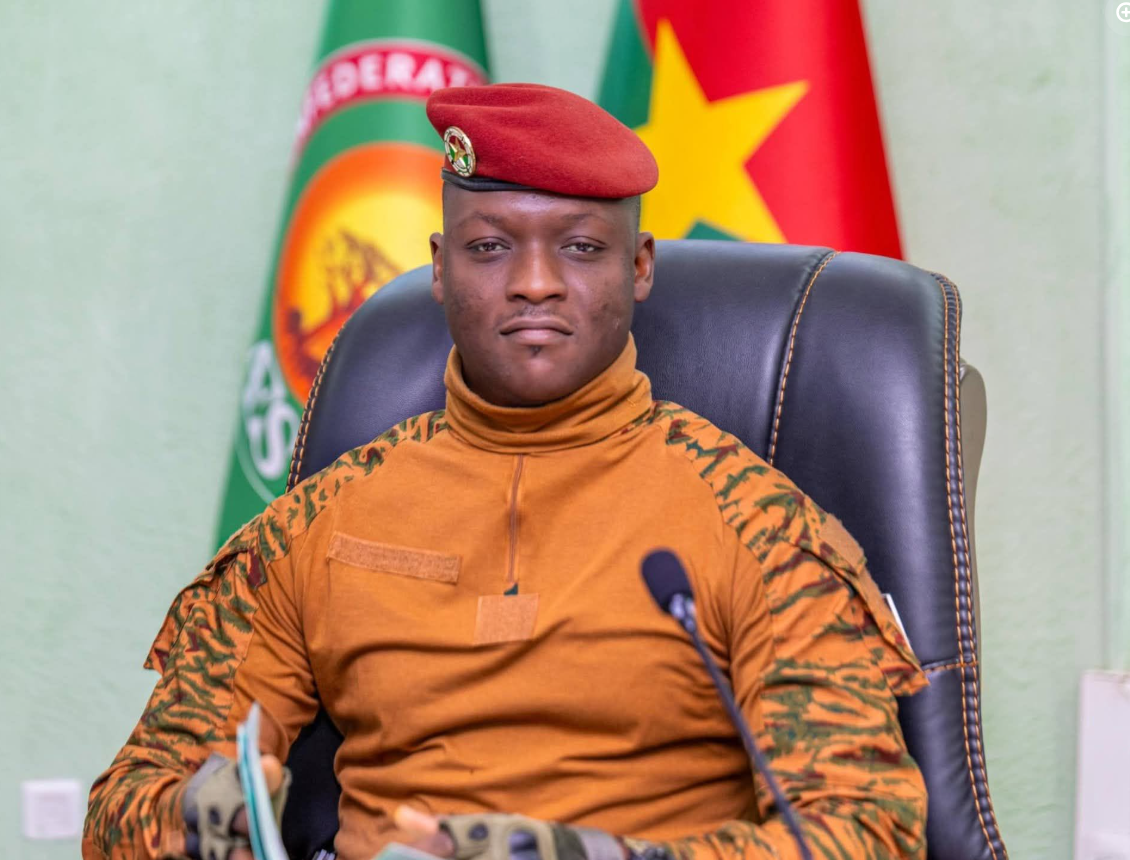
With the whereabouts of detained figures like Imam Kindo remaining undisclosed according to the Al Jazeera, whether the transitional government can enforce its secular mandate without empowering the very insurgent groups it vows to defeat remains the central question facing Ouagadougou.
Worth a look
Canada Seeks Unique EU Alliance Amid US Trade War
Canadian Prime Minister Mark Carney addressed reporters in Toronto on Sunday, outlining a new diplomatic and economic direction...
Israeli Attacks in Gaza Kill Pregnant Woman and 10 Others
A pregnant Palestinian woman was shot and killed by Israeli forces in southern Gaza as artillery shelling and...
Iran and Gulf Nations Postpone Oman Talks Over Regional Consensus
The delay comes as oil prices fluctuate, U.S. economic sanctions expand, and military tensions in the region escalate...
After Louvre Heist, Robberies Continue at French Museums
Following a dramatic daytime heist at the Louvre, a string of break-ins has struck museums and churches across...