When someone steps out of clinical treatment in Idaho, the path forward often leads through an informal network of shared residences that operate almost entirely outside the state’s licensing framework. Idaho treats safe and sober housing simply as a nonclinical support service. That regulatory approach leaves residents to navigate a patchwork of independent operators, varying costs, and distinct local conditions—from the transit-accessible Treasure Valley to the long winters of eastern Idaho.
According to Vanderburgh Sober Living, the statewide modeled rate for a shared recovery bed sits at roughly $170 a week, or about $735 a month. But that single figure masks a wide geographical spread. Rent in Boise and Meridian generally runs above the statewide figure, while Pocatello and smaller towns run below it. Pinning down the true cost requires looking past the base rent to confirm whether utilities and program fees are included in the sticker price.
How State Support and Contracts Shape the Idaho Network
While the state does not license individual sober living homes, it exerts a direct financial influence through the Idaho Department of Health and Welfare, Division of Behavioral Health. This agency pays for safe and sober housing for eligible clients through its provider network. Under Idaho Code § 39-302, these recovery support services are defined as nonclinical services that help a person maintain recovery.
🔴LIVE: Alleged $500K Sober Living "Fraud" Involving Supposed State Corruption. Attys outline allegations involving a $500K taxpayer fund allocation by AG General Kris Mayes to an entity linked to the crisis, name corrupt employees within AHCCCS & AZDHS. https://t.co/UCfgxjOzOy
This funding structure creates a clear divide in the marketplace. Homes participating in the state’s provider network operate under contract terms, whereas independent operators rely on resident fees. According to the Vanderburgh Sober Living Operating Climate Index, Idaho scores a 4 out of 10 on resident funding access. That score means prospective residents cannot automatically rely on public subsidies; once state help ends, individuals must plan to pay rent themselves.
Weighing Structure and Daily Life in Unlicensed Houses
Because Idaho has no NARR state affiliate to provide in-state certification, prospective residents must conduct their own due diligence. Without state licensing or NARR oversight, the quality of a sober home depends on its internal structure. Day-to-day requirements in most Idaho recovery houses include scheduled chores, weekly house assemblies, routine substance screenings, and expectations that occupants are employed, enrolled in school, or attending daytime treatment programs.
Comparing these homes requires understanding the tiers of support they offer. NARR defines four levels of recovery housing by how much support and staffing they provide; while nobody certifies Idaho homes to those levels, they provide a common language for comparing homes. However, a crucial legal distinction separates these environments from clinical facilities. Under Idaho Code § 39-305, state authorization becomes mandatory if a residence introduces clinical care, whereas providing personal assistance to occupants demands a proper residential care license.
For those beginning their search or seeking immediate clinical placement, resources like the SAMHSA National Helpline provide an initial entry point. Ultimately, touring a residence, inspecting written fee schedules, and clarifying medication and relapse policies remain the most reliable safeguards in a state where the oversight rests heavily on the individual’s own questions.
Related reading

Boise Gas Main Rupture Prompts Emergency Response and Road Closures
A damaged 4-inch gas main struck during fiber optic installation prompted an emergency response and road closures near...

Chicago School Board Candidates Divided Over Future of Underenrolled Schools
Chicago School Board Candidates Revisit Closures as Enrollment Plummets When Michael Neal led a church service at Price...

Former U.S. Army Official Pleads Guilty in Hawaii Defense Contracting Bribery Scheme
Former Army Official Enters Guilty Plea in Hawaii Defense Contract Scheme Carlos Duque, a former civilian U.S. Army...
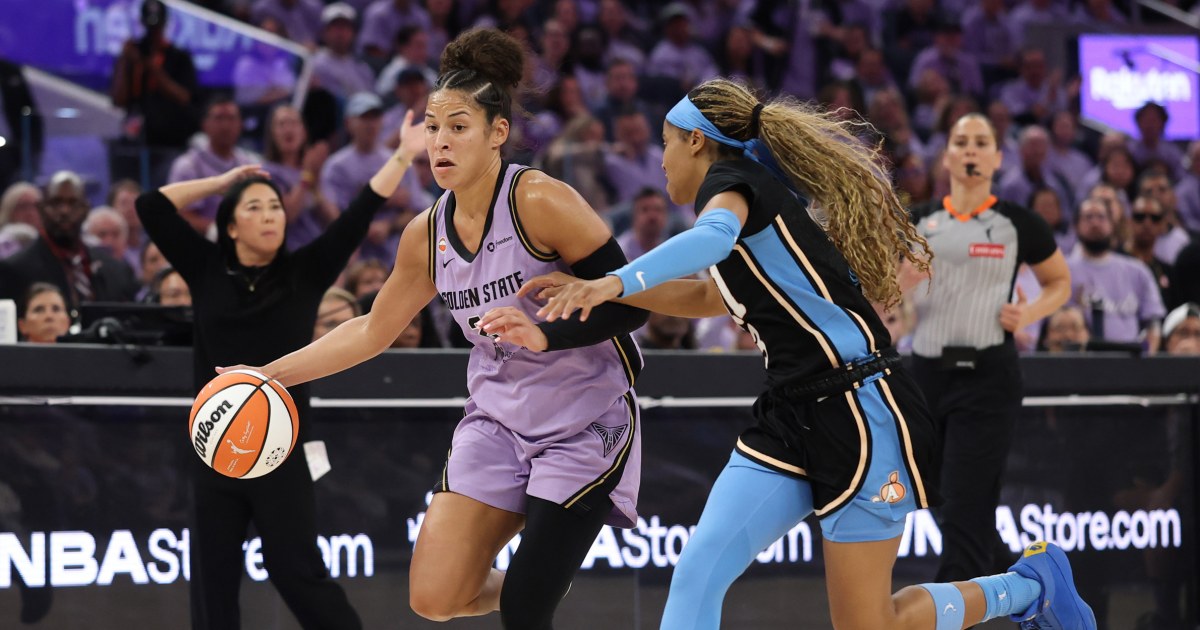
WNBA Finals: Fans and Players Frustrated by Early Game 6 Tipoff
WNBA Finals Game 6 Early Tipoff Forces Fans to Scramble for Solutions When the Golden State Valkyries take...