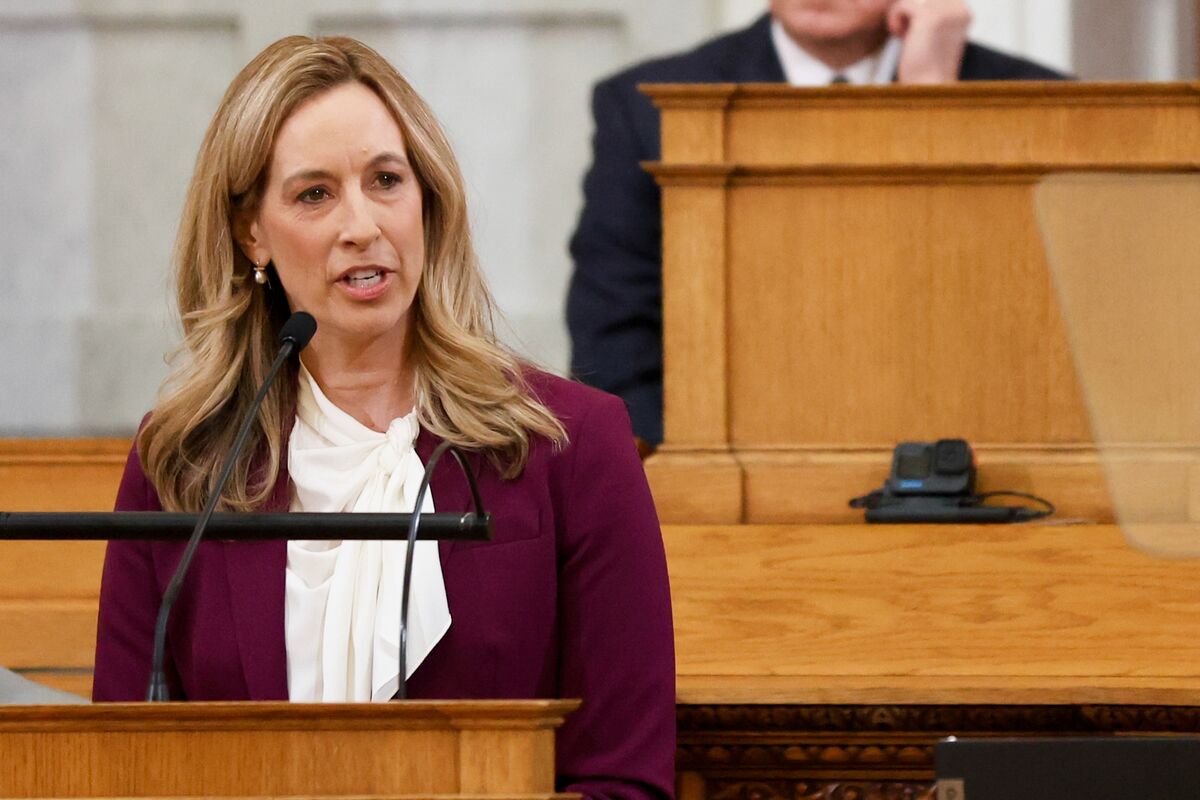
New Jersey Governor Challenges Federal Authorization of Russian Diesel Imports
New Jersey Governor Mikie Sherrill has issued a formal warning to state port and terminal operators, instructing them to reject shipments of Russian diesel despite recent authorization from the Trump administration. In a letter sent to industry operators on Monday, Sherrill argued that these imports conflict with existing federal law and pledged to use New Jersey’s regulatory authority to block the fuel from entering the state’s facilities, Bloomberg reported.
The standoff centers on a contradiction between executive action and congressional mandates. While the Treasury Department’s Office of Foreign Assets Control issued a license on October 9 to allow certain transactions and the supply of Russian diesel to global markets, Sherrill contends this move bypasses a 2022 law. That legislation, passed by Congress in April 2022 following the invasion of Ukraine, banned energy imports from Russia. The Governor maintains that the administration lacks the authority to override this ban without a specific presidential certification confirming that Russia has agreed to withdraw its forces from Ukraine.
The stakes for local businesses are high. Sherrill’s letter specifically warned that any entity participating in what she characterizes as unlawful importation could face penalties equal to the value of the goods, which could potentially reach millions of dollars. According to Rigzone, the Governor explicitly told operators, “Every port and terminal operator, intermediary, and buyer is on notice: do not help bring illegal Russian diesel into New Jersey.”
The Conflict Over Energy Costs and Sanctions
The White House has defended the Treasury Department’s decision as a necessary move to stabilize energy markets. A statement from White House spokeswoman Taylor Rogers, cited by CBS News, argued that the deal to supply global markets with diesel is intended to lower prices for American consumers, specifically targeting relief for farmers and truckers. The administration framed the move as a way to combat rising costs driven by refinery strikes and ongoing conflicts in Iran and Ukraine.
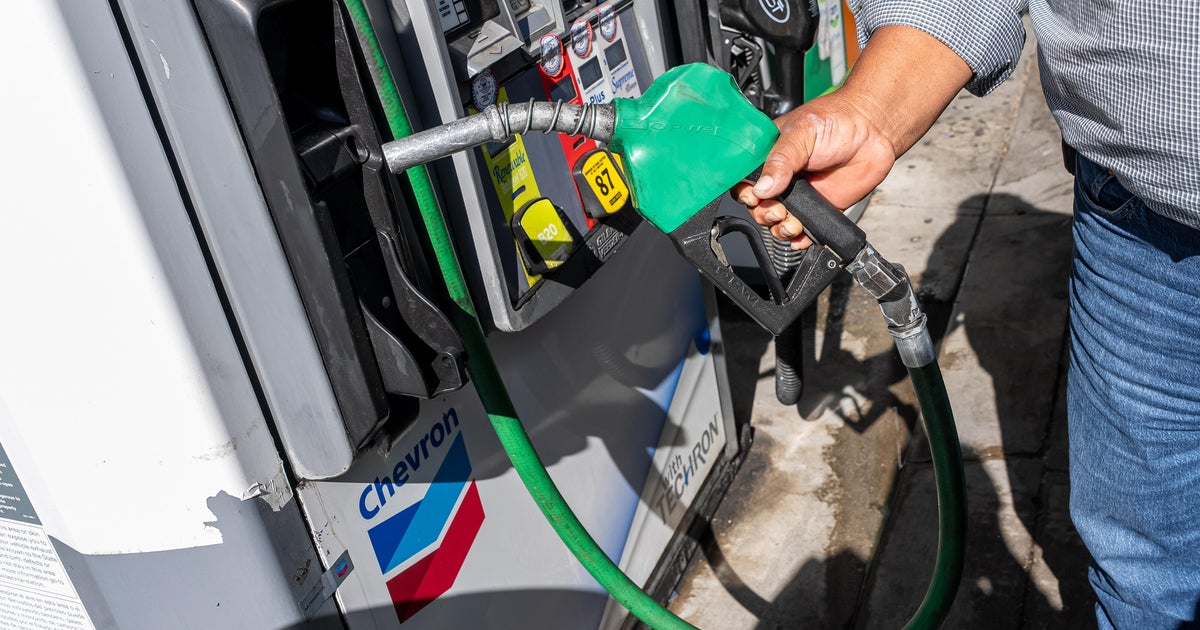
The economic context for this debate is stark. While diesel prices have retreated slightly from a September peak of $6.53 per gallon, the national average stood at $6.29 on Tuesday, according to AAA. This remains significantly higher than the $3.68 average seen just one year ago. The Trump administration contends that reopening these markets is a direct effort to lower these costs, a priority they claim was neglected by previous leadership.
Sherrill, a Democrat and former Navy helicopter pilot, views the economic argument as secondary to national security and legal integrity. She accused the President of effectively financing Russia’s war effort. In a statement provided to CBS News, she argued that the move endangers U.S. service members abroad by supporting Vladimir Putin’s campaign of violence.
“New Jersey will not stand by while Donald Trump supports Vladimir Putin at the expense of Americans. Instead of lowering costs, he is helping finance Putin’s war against Ukraine and a global campaign of violence and terror that endangers U.S. service members abroad,” Sherrill said.
The practical reality of this dispute is already manifesting in maritime traffic. Sherrill noted that Russia has already dispatched multiple oil tankers carrying diesel toward the United States, including at least one vessel that may be headed specifically for New Jersey ports. She has urged operators to turn away any tanker attempting to use state facilities to facilitate these shipments.
As the legal battle between state regulatory powers and federal Treasury licenses begins to unfold, the industry is left caught between two opposing mandates. Operators must now weigh the White House’s promise of lower fuel costs against the threat of massive civil and criminal penalties promised by the Governor’s office.
Keep reading

Shyness and Social Anxiety Differ by Level of Daily Impairment
Distinguishing between a personality trait and a clinical mental health condition is often more difficult than the labels...
Philadelphia Voters Likely to Approve Arts and Business Ballot Measures
Philadelphia voters move to reshape city contracting and arts policy Philadelphia voters are on track to approve two...

Oklahoma City Thunder Hold Fifth Place in Western Conference
Oklahoma City Thunder hold 5-2 record through early 2026-27 season The Oklahoma City Thunder have opened the 2026-27...
Democrats Project House Control and Key Senate Victories
Sherrod Brown holds early lead in Ohio Senate race Sherrod Brown is currently leading his Republican opponent, Jon...