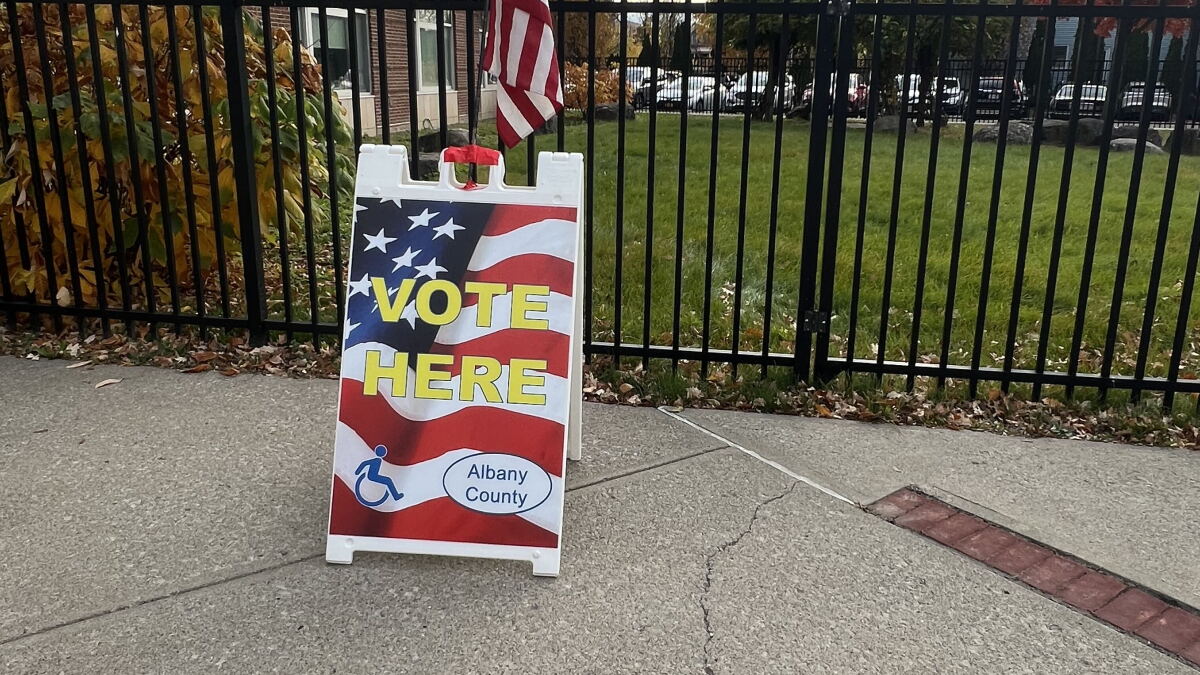
Albany voters prioritize economy and immigration as governorship returns to the ballot
As voters in Albany headed to the polls on Tuesday, November 3, 2026, the conversation centered on a tightening economy and the complexities of immigration. While the gubernatorial race remains the primary driver of the election, the personal stakes for residents in the Capital Region are manifesting in specific concerns over the cost of living and community safety.
Albany election guide: Candidates, issues at the ballot box ➡️ Find link to story in bio pic.twitter.com/c65BWbOIVh
According to reporting from WAMC, the issues dominating the polling sites reflect a tension between national political trends and localized social challenges. For many, the election is less about abstract party platforms and more about the immediate stability of their households and neighborhoods.
Rising homelessness and public safety concerns in Albany
While the state of New York has seen an overall decrease in homelessness, the local reality in the Capital Region tells a different story. A report from the state comptroller’s office indicates that the homeless population in the city of Albany and Albany County grew by 4.5% between 2024 and 2025.
This local increase, occurring in direct contrast to the downward state-wide trend, has fueled discussions regarding public safety and the efficacy of current law enforcement strategies. Lance Wilson, a voter who uses a motorized wheelchair, expressed a desire for a more visible security presence, suggesting that current officers appear limited in their capacity to act.
“It’s not that the police, they’re not doing anything. … It seems like they’re handcuffed,” Wilson said. “I think we need more of a like back when [former governor George] Pataki was here. We need a stronger police presence.”
The debate over policing often pits the need for visible deterrence against concerns over civil liberties and administrative constraints, a friction point that is clearly resonating with voters navigating the city’s changing streets.
Immigration and the economic pulse of the Capital Region
Beyond local safety, the human element of immigration policy remains a significant motivator for voters. Galilee Montes, speaking at an Albany County Board of Elections polling site, highlighted the emotional and social weight of immigration enforcement on her family and community.

“I want them to be able to come and be someone and progress,” Montes said. “I want them to be able to be here safely and not scared of like what could happen the next day.”
These sentiments reflect a broader regional anxiety regarding how state and national policies impact the ability of immigrant populations to integrate and contribute to the local economy. As the cost of living continues to rise, the intersection of economic opportunity and legal status has become a central pillar of the 2026 political landscape.
Turnout trends across the Capital Region
Voter engagement in the 2026 gubernatorial election appears to be tracking closely with historical benchmarks. In Schenectady County, Republican Election Commissioner Darlene Harris noted that by midday Tuesday, turnout was on pace to match the levels seen during the 2022 election.
Rensselaer County presents a slightly more complex picture of engagement. Republican Election Commissioner Henry Zwack observed that while midday turnout was higher than in the previous year, it saw a slight slump compared to the 2022 cycle. He noted that Rensselaer County functioned as a significant “battleground” during the last gubernatorial contest.
The historical data from 2022 underscores why the current margins are so closely watched in this specific area:
| Metric | 2022 Election Data (Rensselaer County) |
|---|---|
| Total Governor Votes Cast | Over 60,000 |
| Republican Margin (Lee Zeldin) | +5,228 votes over Gov. Kathy Hochul |
As the final tallies are processed, the shift in these numbers will reveal whether the localized concerns regarding the economy and homelessness have moved the needle in a county that has previously shown a strong capacity for political volatility.
Keep reading
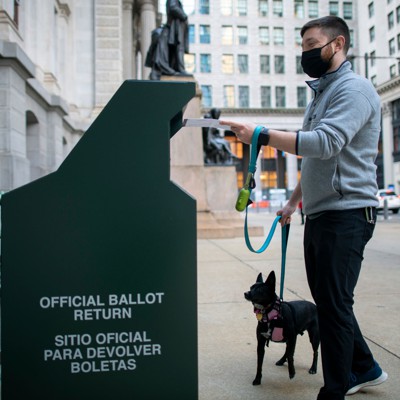
Philadelphia Voters Likely to Approve Arts and Business Ballot Measures
Philadelphia voters move to reshape city contracting and arts policy Philadelphia voters are on track to approve two...

Oklahoma City Thunder Hold Fifth Place in Western Conference
Oklahoma City Thunder hold 5-2 record through early 2026-27 season The Oklahoma City Thunder have opened the 2026-27...
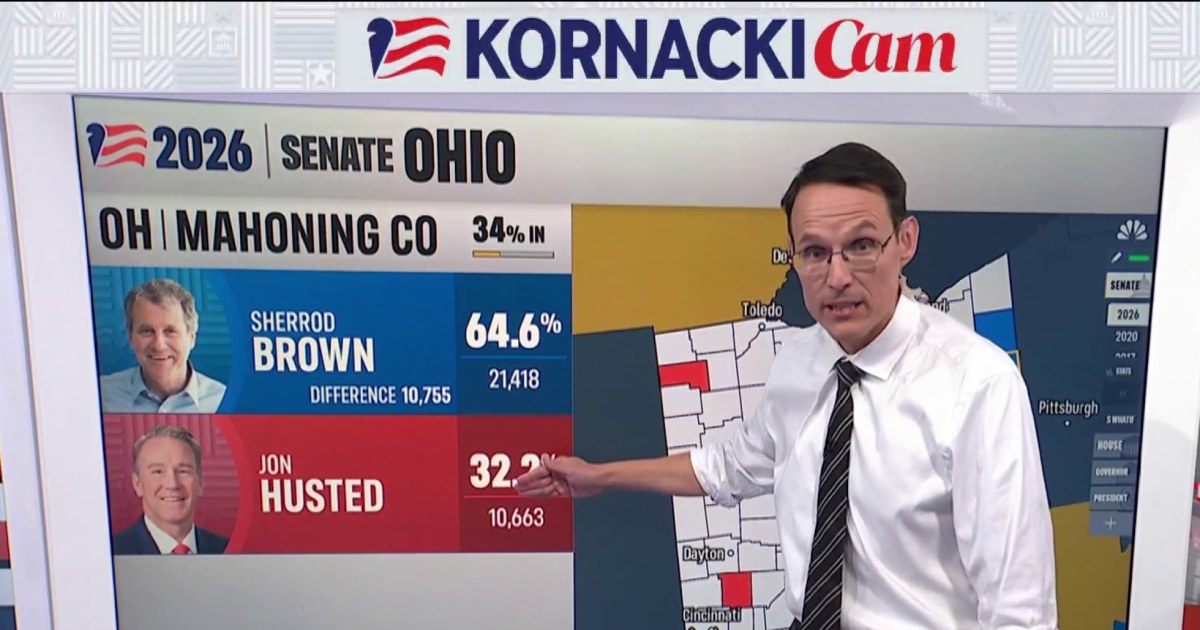
Democrats Project House Control and Key Senate Victories
Sherrod Brown holds early lead in Ohio Senate race Sherrod Brown is currently leading his Republican opponent, Jon...
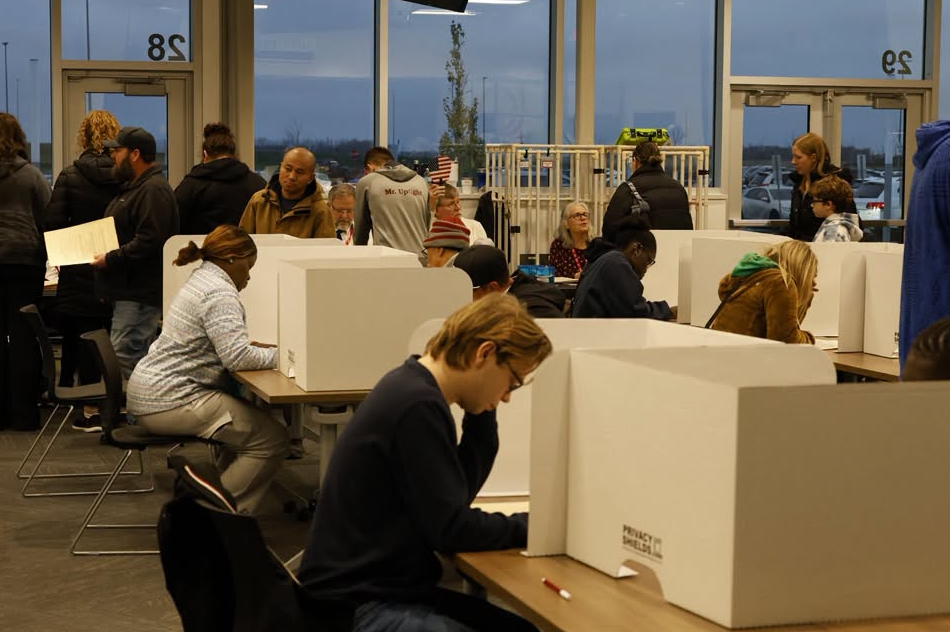
Election Day Results: Moorhead Mayor Race, North Dakota U.S. House, and Regional Turnout Updates
Lisa Borgen leads Moorhead mayoral race as North Dakota results begin to arrive Lisa Borgen holds a commanding...