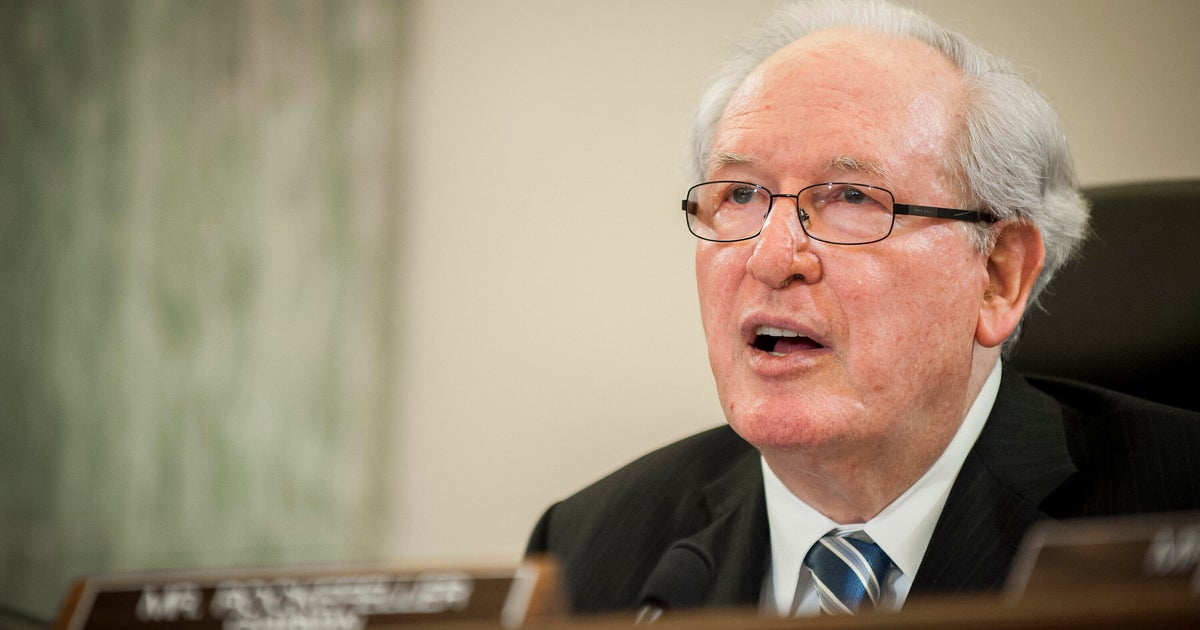
Jay Rockefeller, Political Scion and West Virginia Stalwart, Dies at 89
Jay Rockefeller, the former West Virginia governor and U.S. senator who spent a half-century bridging the gap between his family’s immense industrial wealth and the economic realities of one of America’s poorest states, has died. He was 89. His passing was confirmed Thursday night at his Washington home by Mary Stewart, vice president for external affairs at WETA, where Rockefeller’s wife, Sharon, serves as president and CEO, as reported by CBS News.
Born John D. Rockefeller IV, he entered the world in New York City with a surname synonymous with American capitalism. His great-grandfather, the founder of Standard Oil, died just a month before his birth. Yet, rather than stepping into the boardrooms of his relatives—who included Republican governors of Arkansas and New York and the head of Chase Manhattan Bank—Rockefeller chose a path that eventually left him as the final political figure of his family’s dynasty.
A Transformative Arrival in West Virginia
Rockefeller’s trajectory shifted in 1964 when he arrived in the mining community of Emmons, West Virginia, as a volunteer for the Volunteers in Service to America (VISTA) program. What was intended to be a brief stay evolved into a lifetime of service. He famously broke from his family’s Republican roots to join the Democratic Party, winning a seat in the state House of Delegates in 1966. Reflecting on that era during his Senate farewell speech on December 4, 2014, he noted, “It explains every policy I pursued and every vote I have cast. It was where my beliefs were bolted down, and where my passions met my principles.”
When Jay Rockefeller came to West Virginia back in the early 1960s, we were so excited and starstruck because we knew his incredible family legacy. We knew he could have gone anywhere in the world, but he chose to come to West Virginia, and most importantly, he chose to call West… pic.twitter.com/4SWPVahgXK
His ascent was not without friction. In 1972, he suffered his only political defeat in a gubernatorial race against Republican Arch A. Moore Jr. Rather than retreating to his family’s resources in the East, Rockefeller chose to stay in West Virginia, a decision he later cited as the most important of his career. He took the helm of West Virginia Wesleyan College in 1973 as its first president without a theological degree, a move that bolstered his standing and helped pave the way for his landslide victory in the 1976 gubernatorial race.
Balancing Infrastructure and Industry
As governor, Rockefeller focused on the unglamorous but essential mechanics of statehood. He famously prioritized the development of roads, sewers, and bridges, telling observers that while these were “not very sexy things, I grant you but very, very necessary in West Virginia.” His tenure was marked by a pragmatic approach to the state’s economy, including a shift in his stance to embrace strip mining, a pivot that helped secure his political longevity in a coal-dependent region.

His transition to the U.S. Senate in 1984 occurred despite the national tide favoring Republican President Ronald Reagan. Once in Washington, Rockefeller carved out a distinct influence, often operating in the shadow of the late Robert C. Byrd. While Byrd was known for steering massive federal funds to the state, Rockefeller’s legislative footprint was more granular and consumer-focused.
Legislative Legacy and Consumer Advocacy
During his five terms in the Senate, Rockefeller chaired committees on Commerce, Science, and Transportation, Veterans Affairs, and Intelligence. His legislative work often targeted the intersection of technology and individual rights. He championed broadband infrastructure and authored the 1997 legislation that established the Children’s Health Insurance Program (CHIP), a critical safety net for families whose incomes exceeded Medicaid thresholds.
His approach to his own campaign financing was equally direct. Throughout his career, he spent roughly $21 million of his personal fortune on his races, an undercurrent that occasionally fueled criticism from opponents. During his 1980 race against Arch Moore Jr., opponents even distributed bumper stickers that read, “Make Him Spend It All, Arch.” Yet, he remained steadfast, viewing his wealth as a tool to facilitate a career he found deeply fulfilling.
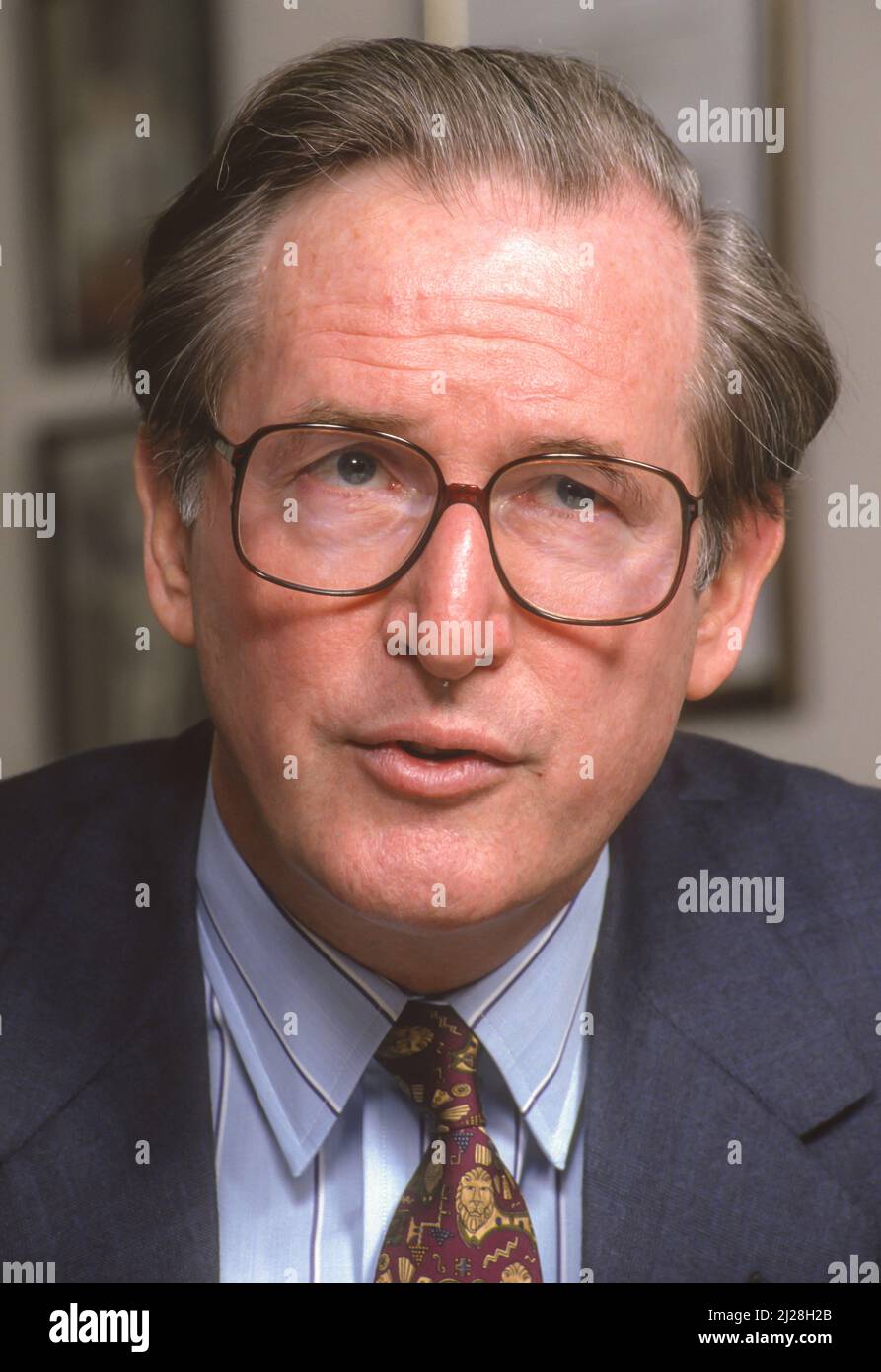
“I could not imagine a more rewarding career,” Rockefeller said upon his retirement in 2015.
His international connections, rooted in college studies in Tokyo, also yielded tangible results for his constituents. Leveraging a long-standing relationship with the founders of Toyota, Rockefeller was instrumental in bringing the automaker to Buffalo, West Virginia. The resulting engine plant, established in 1996, remains a pillar of the local economy, employing roughly 2,200 workers today.
Despite his alignment with the Democratic Party, Rockefeller was never a strictly partisan actor. He famously opposed the Obama-era Environmental Protection Agency’s regulations on mountaintop removal mining, citing the economic reliance of his state on coal production. He also expressed public regret over his 2002 vote to authorize the war in Iraq, a decision that highlighted the complexities of his long tenure in the Senate intelligence and foreign policy spheres.
As the last of his family’s political line, Rockefeller’s death closes a chapter on a unique American archetype: the scion who traded the comfort of dynastic privilege for the grit of public office in an impoverished state. His legacy remains etched in the infrastructure, healthcare programs, and economic foundations of West Virginia.
Related reading
Southeastern Oklahoma State Honors Top Ten Freshmen Students
Southeastern Oklahoma State University honors the 2025-26 Top Ten Freshmen Southeastern Oklahoma State University held a ceremony and...
Carolyn Jane Norman, 80, Beloved Mother and Community Supporter
Carolyn Jane Norman passes away at age 80 Carolyn Jane Norman, a long-time resident of East Grand Forks,...

NYCFC and D.C. United Face Season Finale Amid Injury Struggles
New York City FC and D.C. United are both mathematically eliminated from the MLS postseason, setting the stage...
Ohio University graduate Michael Whittemore releases Ecology book
Michael Whittemore bridges ecological science and professional practice Michael Whittemore is currently managing a multifaceted career that spans...