
“I’m just excited to vote with you,” Christine Ermold told her son Luke after the two cast their ballots at the Auke Bay Ferry Terminal
For many Juneau residents on Tuesday, Nov. 3, 2026, the general election turned into a family affair bridging generations, military service, and pressing economic anxieties. Local voters largely signaled that supporting public education and managing the cost of living remained top priorities at the ballot box, echoing sentiments that dominated the Alaska primary election earlier in the year.
Lily Hope visited the Douglas Public Library at about 4 p.m. to accompany her 18-year-old son, Nicholas Hope, for his first time voting in a general election. She cast her ballot for gubernatorial candidate Jonathan Kreiss-Tomkins, pointing directly to classroom funding as the deciding factor.
“I believe he’s going to do the best job to get us back on track,” Hope said, emphasizing the need for certainty and adequate support for local schools. “I think the education part is the biggest part that led me toward JKT. Fully funding our education department — pay our teachers what they’re worth and get us fully funded so we can do the necessary work of raising strong kids.”
Public School Support Guides Voter Choices
The focus on public schools crossed political divides among local voters. Christine Ermold, who retired from the Kenai Peninsula Borough School District after 20 years and now works at the University of Alaska Southeast, noted that she voted for Republican candidates and who she voted for was influenced by her passion for public education. Funding the public education system remained her ultimate litmus test.
Voters in Juneau, Alaska are ready for the election to be over, @i_schmeler reports https://t.co/lLxltFsOKI
“Where candidates fell in terms of siphoning off public funds for private education versus where candidates fell in terms of supporting public education was a huge deal for me,” she said. Her son, 21-year-old Luke Ermold, joined her to vote in person after returning home in May following four years of service in the U.S. Air Force, where he was stationed at Royal Air Force Lakenheath in the United Kingdom.
Luke Ermold focused on military support systems and mental health access during his time abroad. “A big thing that I saw at the base I was at was the mental health clinic was always overrun,” he said. “People who truly needed help were never able to get it because they just couldn’t get an appointment. So people who take care of the troops and who really want to support them — that’s what I look for because a lot of my close friends are still struggling.”
While voting from overseas was possible for military personnel, he noted that the process involved hurdles and a general lack of awareness among service members caught up in daily duties.
Federal Lands Protection Influences Ballot Decisions
Federal policies and protection of public lands also drew strong reactions outside the Douglas Public Library. Laura Klingman, a federal worker and archaeologist, said she and her partner, Paul Brown, both cast ballots for Democratic U.S. Senate candidate Mary Peltola and actively canvassed for her campaign.
“I very much decided that I needed to vote for people who are going to help protect our federal lands — and my job, to be completely honest,” Klingman said. She noted that she was raised Republican but shifted her views over time through her work in public spaces and public lands. “I could not vote for a party that wants to inappropriately and illegally gut federal agencies without any kind of forethought on that process whatsoever.”
Brown added that he supported Peltola to provide a counterweight in Congress, citing concerns about private industry access to natural resources.
Meanwhile, at the Alaska Electric Light & Power precinct in Lemon Creek, Mary Uyanik arrived wearing an “I’m Tlingit, I Vote” pin after voting with her son.
“Since I started voting when I was young, I always thought of my kids first,” Uyanik said. “My parents grew up in Petersburg and Sitka, but I grew up here. I’ve also been learning more about how up north they depend on subsistence and their groceries cost even more than ours.”
Steady Turnout Across Juneau Precincts
Poll workers across Juneau reported a steady stream of voters arriving in waves throughout Election Day, helped by heavy early voting numbers in the days prior. Renee Hughes, who has served as the poll chair at the AEL&P precinct for over 30 years, noted that the shared community experience keeps her returning.
“They’re all historical,” Hughes said of the various elections she has managed. “Each has their significant challenges and different issues. It doesn’t matter if it was 50 years ago or today.”
At the State Office Building, precinct chair Ryan Wilson reported that 416 people had cast ballots by roughly 7:30 p.m., noting that in-person turnout on Tuesday felt lighter than the primary election held on August 18, largely due to strong early voting turnout leading up to the close of the voting period.
- Karen Bass and Nithya Raman tied in L.A. mayoral poll as celebrities endorse both
- Hartford Women’s Soccer Defeats Gordon 3-0 to Host CNE Championship
- TGA approves Wegovy tablet for Australians living with obesity (world-today-news.com)
- Germany youth join Gen Z regelt protests over living costs and education (newsarchyuk.com)

Karen Bass and Nithya Raman tied in L.A. mayoral poll as celebrities endorse both
Voters head to the polls today in a dead-heat Los Angeles mayoral race between incumbent Karen Bass and...

Hartford Women’s Soccer Defeats Gordon 3-0 to Host CNE Championship
Hartford Defeats Gordon College 3-0 to Reach Conference of New England Final The Hartford women's soccer team secured...
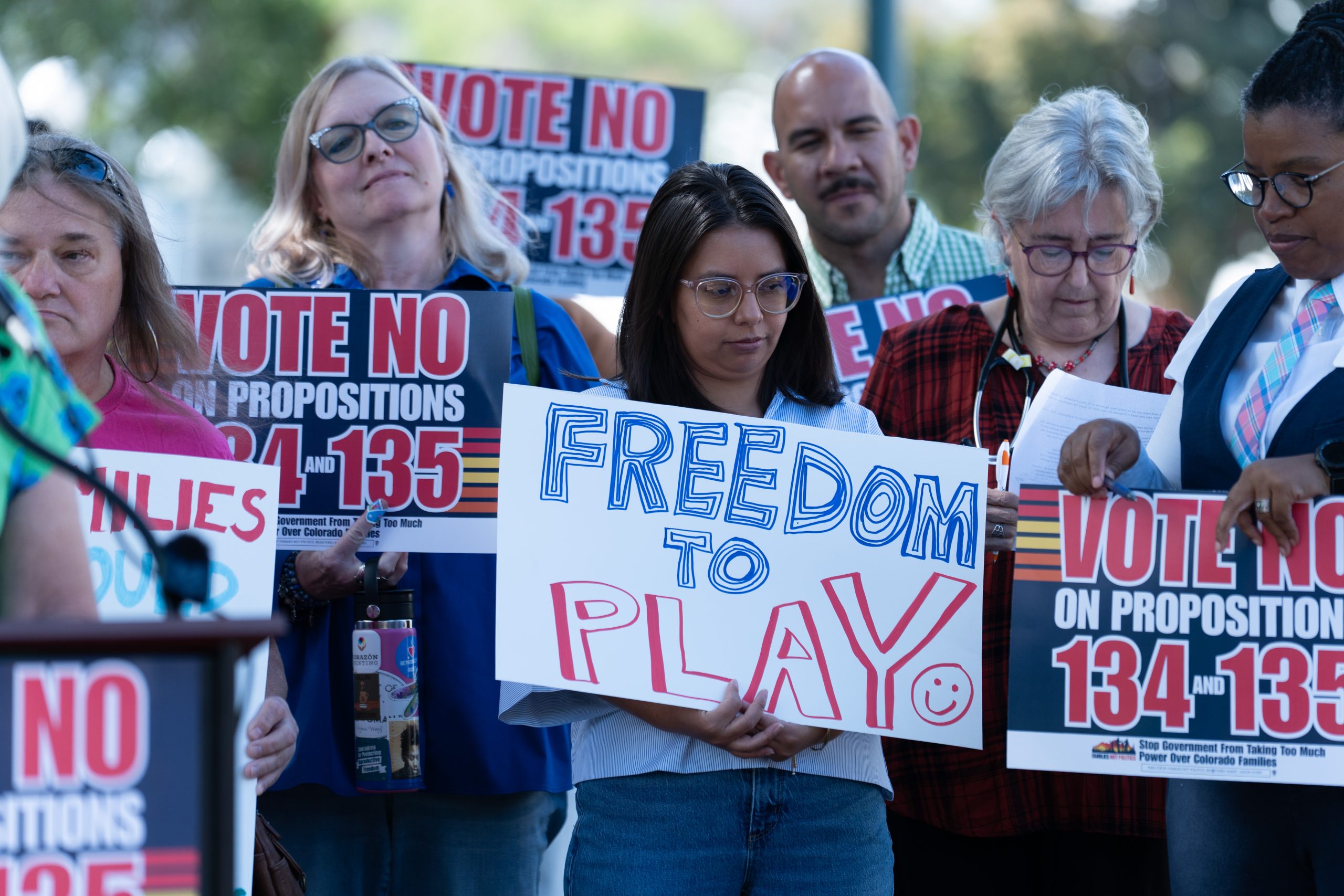
Colorado Proposition 134: Transgender Athlete Ban Measure Too Close to Call
Colorado’s Proposition 134 Remains Too Close to Call As of Tuesday night, Colorado voters remain split over a...

French Hill holds narrow lead over Chris Jones in Arkansas 2nd District
The race for Arkansas’ 2nd Congressional District remained too close to call early Wednesday, leaving Republican incumbent French...