
Kenya’s High Court halted construction of a U.S.-backed Ebola quarantine facility at Laikipia Air Base on Thursday, ruling the government violated constitutional requirements for public participation and access to information.
Justice Patricia Nyaundi found that authorities failed to consult residents near the military installation or disclose critical details about the project and its arrangements with Washington. “Emergencies may demand urgency, but they do not suspend constitutional obligations,” the judge said.
The court ordered the Health Ministry to publicly release relevant agreements, health and environmental assessments, regulatory approvals, and operational protocols within 45 days, and barred further construction or operationalization until the court certifies compliance.
Protests and local opposition face the bio-isolation unit
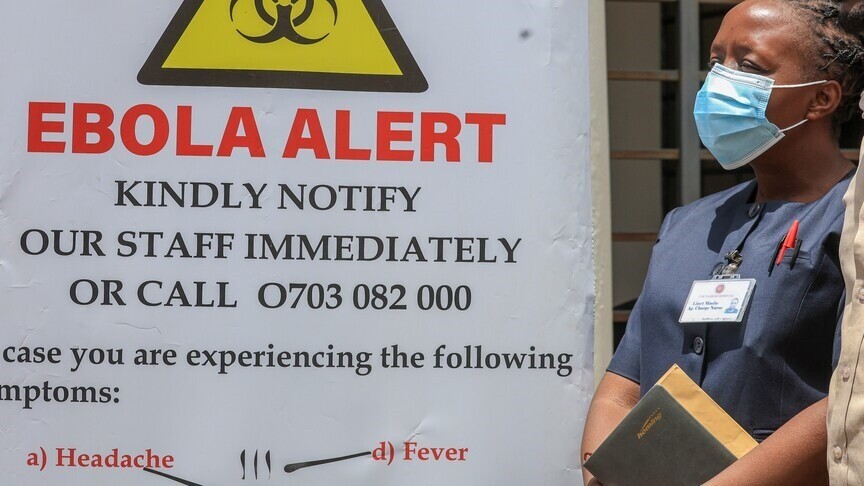
The 50-bed bio-isolation unit, located inside Laikipia Air Base near Nanyuki in central Kenya, was intended to quarantine people exposed to Ebola — including U.S. citizens — during regional response operations. Seven American aid workers who had been in the Democratic Republic of the Congo were quarantined there in July.
HIGH COURT declares the Kenya-US Ebola quarantine facility at Laikipia Air Base unconstitutional, gives the government 45 days to disclose the agreement and related documents pic.twitter.com/FG4s9CQf5I
The project drew fierce local opposition: residents feared importing Ebola risks into their community, and protests in June turned deadly when police opened fire on demonstrators, killing at least two people and wounding another.
The U.S. had pledged $13.5 million for Ebola preparedness in Kenya, which lies east of the DRC where the second-largest Ebola outbreak on record was unfolding. As of November 23, the CDC reported 11,986 confirmed cases and 5,871 deaths in the DRC, with a death rate of almost 50 percent. More than 80 percent of new infections were being detected outside contact tracing lists, the World Health Organization said.
A legal battle over process, not purpose
The petitions, led by the Katiba Institute and consolidated with a challenge from the Law Society of Kenya, did not contest Kenya’s cooperation with the United States or the government’s mandate to respond to public health emergencies.
The dispute centered on whether authorities followed the Constitution when making arrangements for the facility. Justice Nyaundi declared that the Health Ministry’s failure to uphold transparency, accountability, and public participation contravened Article 10 of the Constitution, and that the respondents breached Article 35(3) by withholding requested documents.
“Constitutional accountability is not satisfied by asking citizens to trust that all is well,” Justice Nyaundi said.
The judge also found Health Cabinet Secretary Aden Duale in contempt in June for allowing construction to continue despite earlier court orders suspending the project. Duale later apologized, citing unintentional non-compliance, though satellite images and flight records showed U.S. equipment and specialists kept arriving at the site.
Kenyan President William Ruto said hosting a US-backed Ebola quarantine facility at Laikipia Air Base is the right decision, citing Kenya’s health preparedness and cooperation with Washington. pic.twitter.com/s60AKfEv7l
The petitioners, the people of Kenya and, more significantly, the residents of Laikipia County have been left with the position of persons standing outside the sealed wooden window, straining to discern what is taking place on the other side. They are aware that the decisions affecting their community are being made and implemented, yet they have been denied any meaningful opportunity to know, interrogate or participate in those decisions.
Justice Patricia Nyaundi
“The enjoyment and vindication of any constitutional rights depends upon access to information,” Justice Nyaundi said.
What the ruling changes
The court’s orders leave the facility unable to proceed while disclosure requirements remain unmet. The Ministry of Health must now produce the bilateral agreement, safety assessments, approvals from Parliament and regulatory agencies, and protocols governing admission, isolation, and treatment of exposed persons. Copies must also be furnished to the petitioners and the court. Only after the court certifies satisfactory compliance can construction or operationalization resume.
Nora Mbagathi, executive director of the Katiba Institute, framed the judgment as a win for constitutional supremacy: “no health emergency, no deal with a foreign government is above the constitution.”

The Star makes a useful distinction about the scope of the case. The dispute was whether the process for establishing the facility complied with the Constitution.
Court orders disclosure of bilateral agreement and assessments
Justice Nyaundi ordered the Health Ministry to publicly release the bilateral agreement with Washington, public health and environmental assessments, regulatory approvals, and operational protocols within 45 days, according to a report by Andrew Wasike. Copies must also be furnished to the petitioners and the court.
The Star made a useful distinction that the dispute concerned whether the process for establishing the facility complied with the Constitution, not Kenya’s cooperation with the United States or the Ministry’s mandate to respond to Ebola.
Judge found Health CS in contempt for continuing construction
Justice Nyaundi found Health Cabinet Secretary Aden Duale in contempt in June for allowing construction to continue despite earlier court orders suspending the project. Duale later apologized, citing unintentional non-compliance, though satellite images and flight records showed U.S. equipment and specialists kept arriving at the site.
The High Court had temporarily suspended the facility’s construction in late May but found that Health Minister Aden Duale failed to comply with the orders.
Kenya’s Ebola picture
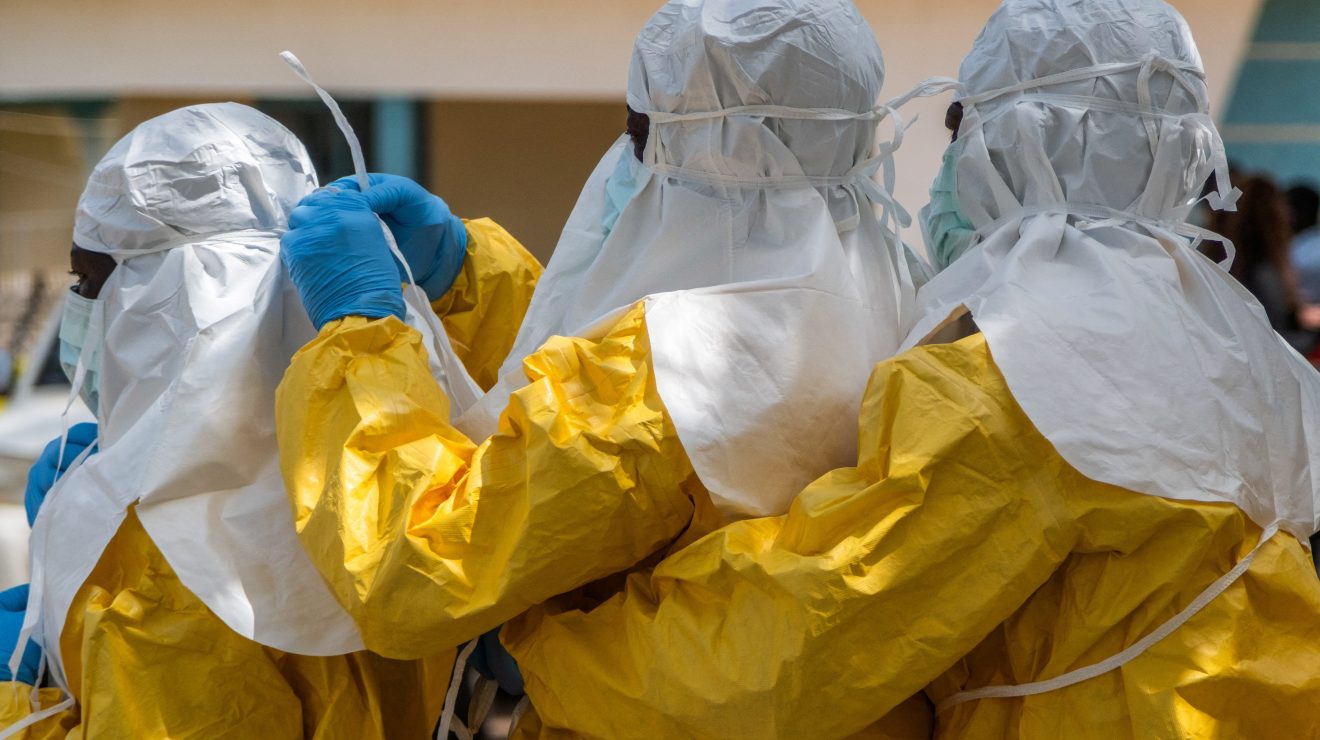
Kenya reported its first imported case of the Bundibugyo Ebola strain in early October in a traveler who arrived from the DRC via Uganda. As of mid-November, the country had recorded nine cases and two deaths, all of whom recovered.
Katiba Institute filed the petition on 28 May 2026, hours before the Laikipia facility was due to open, securing an immediate court suspension of the project. As a petitioner consolidated with the Law Society of Kenya, the Institute argued the government violated constitutional requirements for transparency, public participation, and disclosure of agreements and environmental assessments regarding the U.S.-backed quarantine unit.
The court ruled in November 2026 that the Cabinet Secretary for Health breached Articles 10 and 35(3) of the Constitution, ordering the release of all relevant documents within 45 days and prohibiting further construction until compliance is certified.
President William Ruto said in June that he had approved the facility citing decades of cooperation with Washington on health programmes.
Worth a look

EU Leaders Test Budget Deal Hopes at Summit With Digital Tax Dispute
European Union leaders gathered in Brussels on Thursday for a two-day summit aimed at bridging deep divisions over...

Bardella, Le Monde publish antisemitic messages, claims denial
the far-right leader shows his hatred of Jews and his allegiance to far-right ideologist Alain Soral, said Le...

Ukraine Shoots Down Russian Jet Drone With Laser
Ukraine shot down a Russian jet-powered Geran drone with its Blysk laser system on November 25, marking the...

Polls Show Right-Wing Majority Likely as Spain Votes Nov 29
Spain votes November 29 as polls show a right-wing majority likely, with far-right Vox holding the power to...