
Ukraine shot down a Russian jet-powered Geran drone with its Blysk laser system on November 25, marking the first confirmed combat interception of its kind, presidential adviser Serhii Beskrestnov said Wednesday.
The engagement took place near a critical infrastructure facility in early November, according to Beskrestnov, who posted a 21-second video of the event on social media. The 4-kilowatt Blysk, developed by Ukrainian firm Carmine Sky under the state-backed Private Air Defense program, held a fixed spot on the drone until its internal components overheated and failed.
The "Blysk" air defense laser systems from the company Carmin Sky deployed to protect a critical infrastructure facility shot down a "Geran" jet-powered drone, a world first! This laser air defense system technology is being developed under the state program "Private Air… pic.twitter.com/RvmSAgerGX
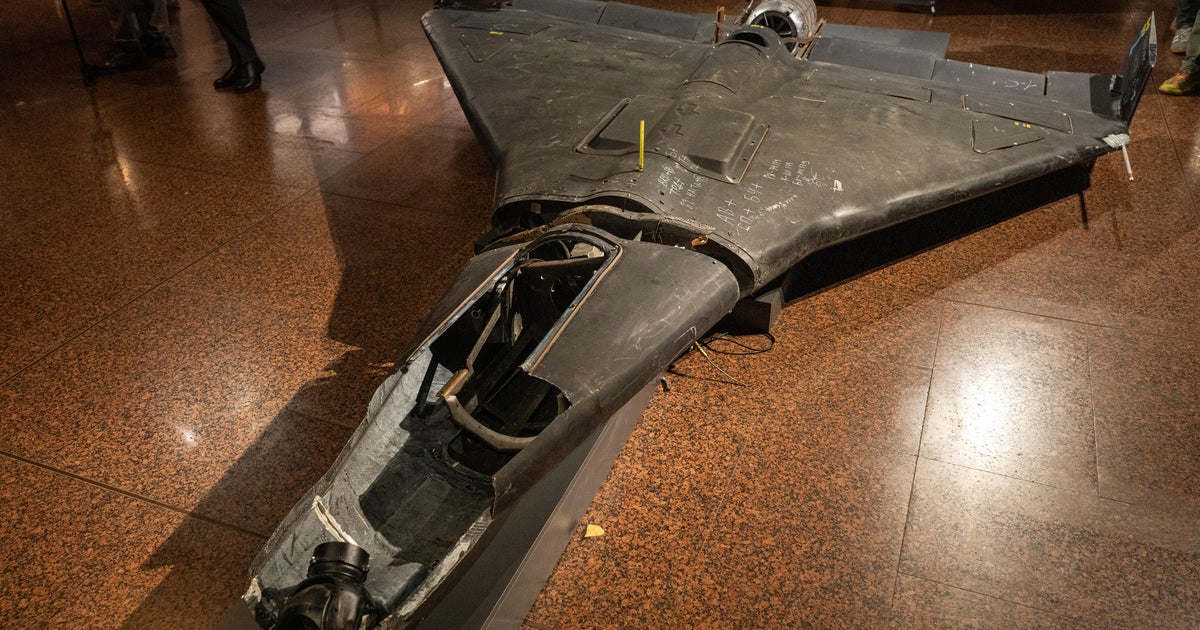
Russia began fielding jet-powered Geran-4 and Geran-5 drones in mid-2026, flying at 450–600 km/h — three times faster than the propeller-driven Geran-2. Ukraine’s intercept rate for those jets dropped to roughly 57% in June, compared with 90% for slower models, CBS News reported. By October, air defenses were still stopping only about two-thirds of the jet variants, the General Staff said.
Come Back Alive, a Ukrainian military nonprofit, estimated Russia produced Geran-4s and Geran-5s in September alone, with output projected to grow monthly.
For the first time, Ukrainian forces have shot down a Russian jet-powered attack drone using a laser weapons system. pic.twitter.com/PV9xTu3pdk
- Blysk laser entered combat duty in Kyiv in early November 2026
- System rated at 4 kW with effective range up to 1 km
- First confirmed laser kill of a jet-powered Geran drone worldwide
- Serial production timeline remains uncertain, adviser cautions
Blysk Specs Reveal Range and Power Gap Versus Iron Beam
Carmine Sky representative Oleksandr told BBC News Ukraine that Blysk generates a 4 kW beam engaging targets up to one kilometer away. A small FPV drone burns in a fraction of a second; a Shahed-type airframe requires several seconds because of its multi-layered hull.
By comparison, Israel’s Iron Beam operates at 100 kW with a claimed range of 10 km. The Ukrainian Tryzub laser, publicly announced in 2024, was described by then-Unmanned Systems Forces commander Vadym Sukharevskyi as capable of hitting drones and missiles at 3 km and aircraft at 5 km, but Sukharevskyi was dismissed in June 2025 and the project faded from public view.
A Ukrainian combat laser guarding critical infrastructure shot down a jet-powered Russian Geran drone It was a world first, but "for now, it is too early to talk about serial production of the laser," presidential defense adviser Serhii Beskrestnov said 🎥Serhii Beskrestnov pic.twitter.com/jgPdIWvrnM
Weather Halts Blysk Engagements During Early November Deployment
During Blysk’s first days on duty in early November, cloudy and foggy conditions across the Kyiv region prevented any engagements, Oleksandr said. Lasers lose effectiveness in poor weather. They will augment, not replace, kinetic air defense.
The cost per shot is low — comparable to the UK’s DragonFire at roughly $13 per engagement — but development and setup costs are “very complex and financially expensive,” Beskrestnov emphasized. “It is still too early to talk about serial production of the laser,” he repeated in multiple posts, noting that several Ukrainian companies are pursuing the technology.
⚡️️ Ukrainian combat lasers intercept Russian jet-powered drone for the first time. So far, persistent cloud cover and fog over Kyiv had reportedly prevented the system from engaging Russian drones effectively. Read more: https://t.co/Bhl2bKD6Ew pic.twitter.com/PZluwSXgsG
Parallel Interceptor Efforts Advance
While Blysk draws headlines, other Ukrainian and partnered systems are already scoring kills. Quantum WIY Industries, a German-Ukrainian joint venture, announced a successful combat interception of a Geran-5 K5-K using its vertically launched Spys interceptor on November 23, FlightGlobal reported.
The 208th Anti-Aircraft Missile Brigade released footage on November 23 of a ground robotic system downing a jet-powered Shahed with what appears to be a heavy machine gun, and UGV Robotics director Petro Leontiev said the company’s Khyzhak combat module has “already successfully shot down Shaheds under certain conditions.”
Quantum WIY Scales SPYS Interceptor Production to Thousands Monthly
The vertically launched system is designed to protect cities and critical infrastructure from fast, jet-powered attack drones. The joint venture said it has expanded production inside Ukraine from hundreds to thousands of units per month in 2026.
Co-chief executive Sven Kruck said the company must keep developing and scaling interceptors to defend Ukrainian cities and critical infrastructure. He described the effort as combining Ukrainian engineering and frontline experience with German industrial capacity.
Modern warfare is a race of technological cycles — whoever moves faster wins. To counter Russia’s jet-powered Shaheds, missiles, and other threats in the skies and on the battlefield, we’re building a defense company and bringing top Western engineering expertise and war-winning… pic.twitter.com/0CK9eg1MyT
Ground Robots and Automated Turrets Join the Fight
ArmyInform said jet Shaheds can fly faster than 400 km/h. The General Staff reported air defenses countered 66% of jet-powered drones in October against 89% of slower models.
Carmine Sky developed the Blysk laser system under the state-backed Private Air Defense program, which authorizes companies to form air defense units under Air Force control. On November 19, 2026, the company announced Ukraine’s first air defense laser was deployed to protect Kyiv, with the system rated at 4 kW and effective up to 1 km.
Beskrestnov noted the technology is being developed within this program’s framework, supported by the Brave-1 defense cluster, and that as of October 14, private units had downed over 60 Russian aerial targets, primarily drones.
UGV Robotics director Petro Leontiev said the company’s Khyzhak combat module has already successfully shot down Shaheds under certain conditions. The Defense Ministry said automated turrets now serve in the Air Force and destroy Geran-5 drones. On November 9, the brigade’s Khmara interceptor-drone crew downed a jet Shahed over Mykolaiv Oblast with a portable air defense missile launcher.
Zelenskyy Convenes Staff as Jet-Drone Threat Escalates
President Volodymyr Zelenskyy convened the Staff of the Supreme Commander-in-Chief on November 23 to address the jet-drone threat. Prime Minister Serhii Koretskyi warned that November launch volumes could be twelve times higher than August. Kyiv is racing to contract more interceptors while laser trials continue at infrastructure sites. Beskrestnov’s video and the parallel interceptor successes show the direction. But the adviser’s own caution — “for now, it is too early to talk about serial production of the laser”
Worth a look
- Polls Show Right-Wing Majority Likely as Spain Votes Nov 29
- International Campaign to Ban Landmines: Myanmar Records Highest Casualties
- Trump and Nato chief urge Russia to avoid actions that widen Ukraine war (newsarchyuk.com)
- Poland Risks Losing 2027 European Diving Championships Over Russian Visa Dispute (world-today-news.com)

Polls Show Right-Wing Majority Likely as Spain Votes Nov 29
Spain votes November 29 as polls show a right-wing majority likely, with far-right Vox holding the power to...

International Campaign to Ban Landmines: Myanmar Records Highest Casualties
Global landmine casualties reached a five-year high in 2025 as at least 6,929 people were killed or wounded...

Italian Couple Faces Eviction From Pasolini Home Under Medieval Law
An Italian couple who bought a house built by filmmaker Pier Paolo Pasolini now faces eviction after a...
Delhi Nighttime Cooling Capacity Drops, Researchers Say
Delhi's summer nights have lost their ability to cool down, trapping millions in homes that radiate heat long...