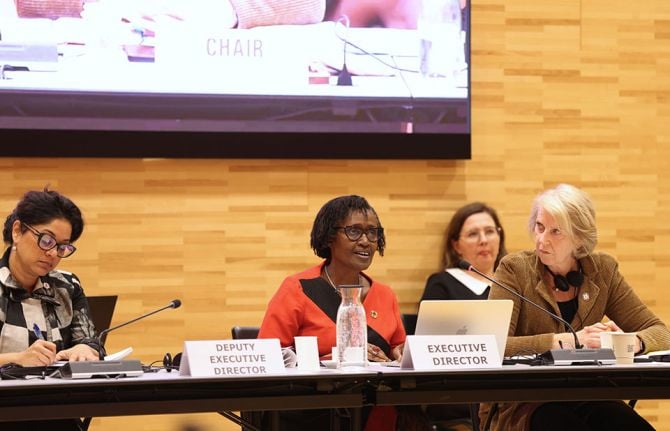
The UNAIDS Programme Coordinating Board unanimously rejected a proposal to phase out the Joint United Nations Programme on HIV/AIDS during a special session in Geneva on October 26, 2026. The governing board instead backed a structural transition to preserve the global HIV mandate, streamline secretariat operations, and protect critical country-level services.
The decision brings to a close months of uncertainty over the agency’s future following financial constraints and broader United Nations restructuring under the Secretary-General’s UN80 reform initiative. Proposals to wind down UNAIDS by the end of 2026 formed part of reforms that would have shifted responsibilities into other bodies.
Meeting at a special session of the UNAIDS Programme Coordinating Board (PCB) in Geneva, member nations rejected the closure plan in favor of a leaner operating model. Executive Director Winnie Byanyima welcomed the unanimous vote, pointing to the coalition of governments, donors, and civil society groups that fought to preserve the mandate.
You have rejected the sunsetting of UNAIDS and chosen instead to transform and strengthen this unique Joint Programme.
Winnie Byanyima, UNAIDS Executive Director
Byanyima added that saving the organization is only the initial step toward executing necessary reforms. UN Deputy Secretary-General Amina Mohammed told the board that the intended changes are designed to safeguard the global HIV response against external disruptions while anchoring assistance closer to affected communities.
Restructuring the Secretariat and Co-Sponsoring Agencies
Under the approved framework, UNAIDS will retain its distinct global mandate on HIV while adopting a streamlined organizational structure. A focused central secretariat, known as the Hub, will manage four core functions, while the 11 UN organizations comprising the Joint Programme assume greater leadership in their respective technical domains. These co-sponsoring entities include the Office of the United Nations High Commissioner for Refugees, the United Nations Children’s Fund, the World Food Programme, the United Nations Development Programme, the United Nations Population Fund, the United Nations Office on Drugs and Crime, UN Women, the International Labour Organization, the United Nations Educational, Scientific and Cultural Organization, the World Health Organization, and the World Bank. Together, these organisations and national partners work toward the shared global vision of zero new HIV infections, zero discrimination, and zero AIDS-related deaths, supporting efforts to end the epidemic by 2030 under the Sustainable Development Goals.
The transition will avoid a single, rigid deadline. Instead, changes will be implemented in phases based on the readiness and specific circumstances of individual countries to prevent any disruption in prevention, treatment, or testing services.
To guide this overhaul, the board directed Byanyima to establish a Transition Task Team. The group will include representatives from the UNAIDS secretariat, co-sponsoring partner agencies, and two community delegates nominated by the board’s non-governmental organization delegation. The task team is charged with consulting implementing nations before submitting a fully costed implementation plan for formal board review. The board endorsed the strategic direction set out in the final report of its working group and instructed its chair to convey these decisions to the United Nations Economic and Social Council.
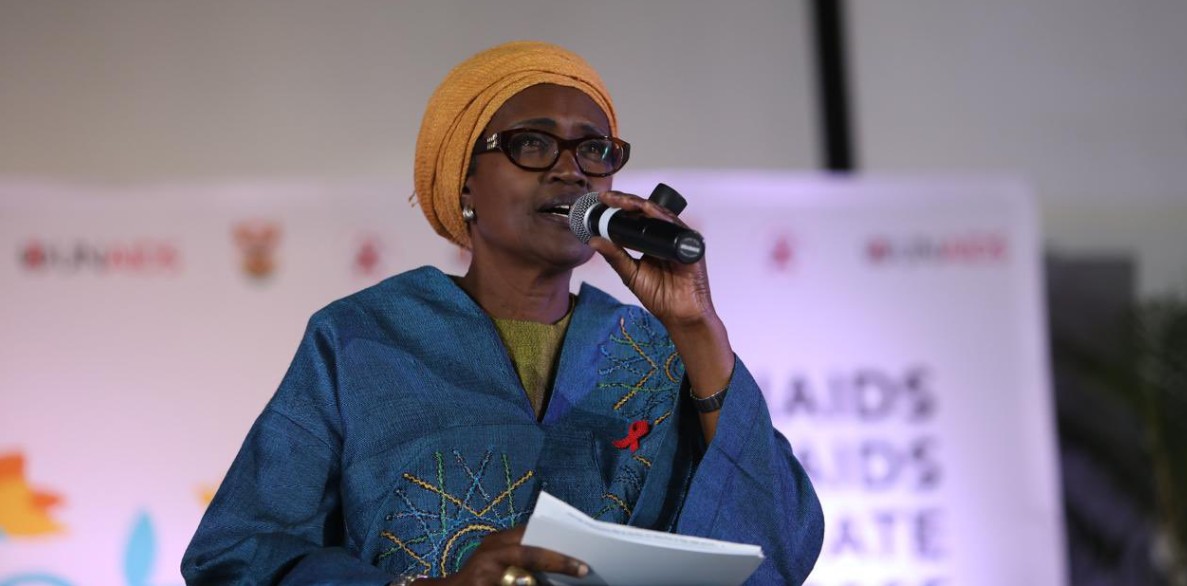
Financial Pressures and Voluntary Contributions
The restructuring effort unfolds against a backdrop of severe global funding constraints. International health organizations have faced acute financial pressure following budget reductions from major donor nations, including the dismantling of the United States Agency for International Development last year.
In response to potential funding gaps and the risk of country-level withdrawals, several governments have stepped forward with direct assistance. During the Geneva session, Algerian Ambassador Idris Latreche announced an early voluntary contribution of US$40,000 to the UNAIDS country office in Algiers for 2027.

These contributions reflect Algeria’s commitment to our collective efforts towards maintaining an effective UNAIDS presence at country level, towards ensuring continuity of services, and towards avoiding any disruption that could affect the people who depend on them.
Idris Latreche, Algerian Ambassador
Alongside the financial pledge, Algeria provides office premises free of charge and supplies national personnel to support operations. Other nations contributing directly to sustain operations include South Africa, Benin, Côte d’Ivoire, Brazil, China, Cambodia, Kazakhstan, Laos, the Philippines, and Thailand.
Leadership Transition and the 2027 Work Plan
Alongside the restructuring strategy, the governing board approved the program’s 2027 Work Plan and Budget, which incorporates simplified performance reporting and urges prompt multi-year funding commitments from member states.
Administrative changes at the top of the agency coincide with the reform timeline. Executive Director Winnie Byanyima informed the board that she will complete her service on December 31, 2026. The United Nations Secretary-General will appoint an interim executive director effective January 1, 2027, while the board conducts a formal selection process for her permanent successor.
>
Keep reading
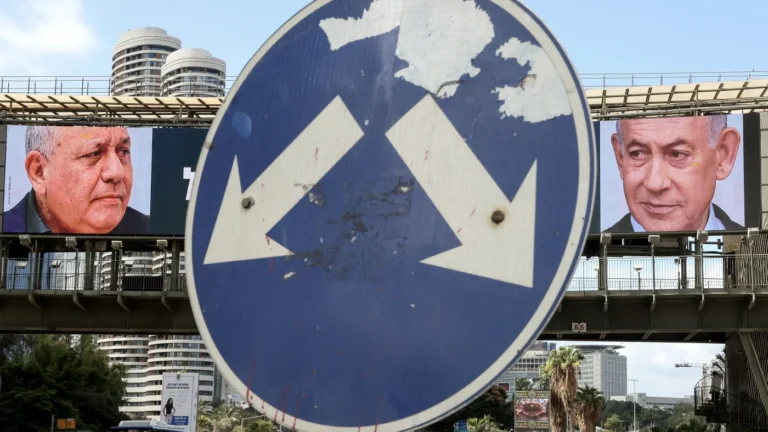
Netanyahu’s Leadership Under Referral in Election
Israelis headed to the polls on October 27, 2026, in a consequential general election serving as a referendum...
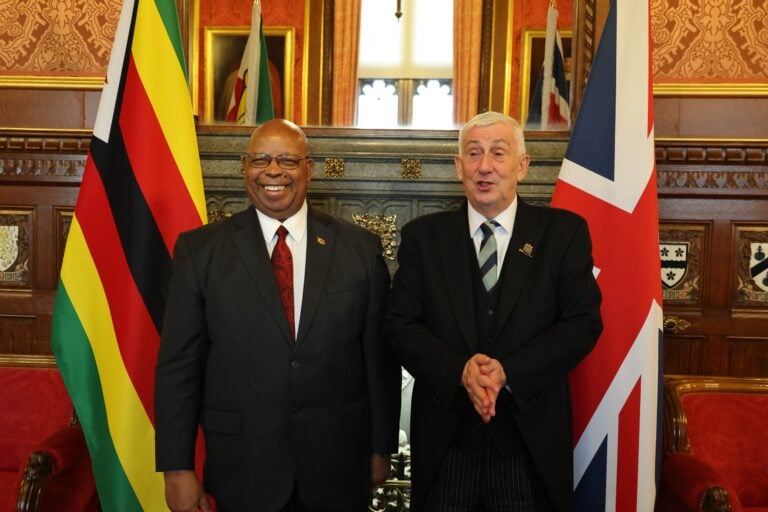
“UK Speaker Backs Zimbabwe’s Commonwealth Return, Legislative Support"
British House of Commons Speaker Sir Lindsay Hoyle has pledged to lobby the UK Executive to fast-track Zimbabwe's...

American Jews, who have faced election of fears over Netanyahu
As Israel approaches an upcoming election on October 27, American Jews are experiencing intense interest and growing anxiety.
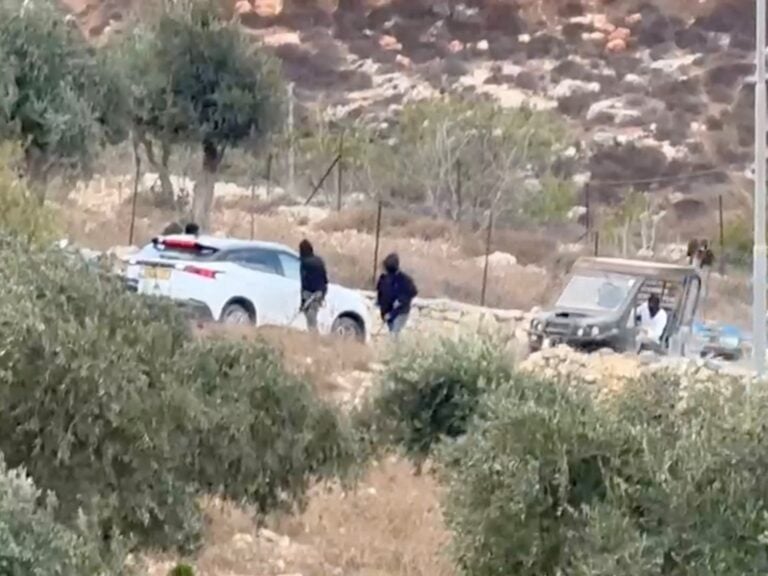
Israeli Settlers Attack Palestinian Olive Harvesters in West Bank, 2026
Israeli settlers carried out a wave of violent attacks across the occupied West Bank during the annual olive...