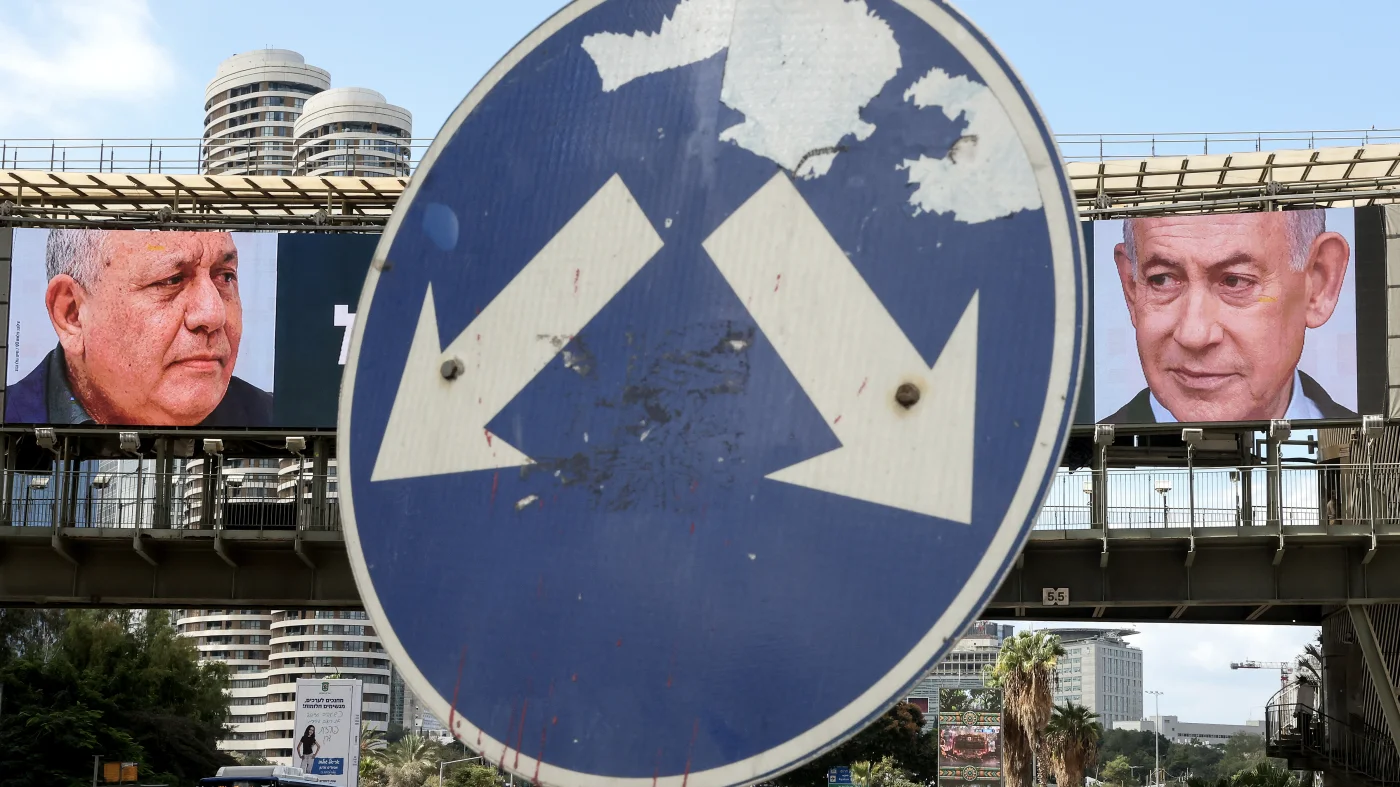
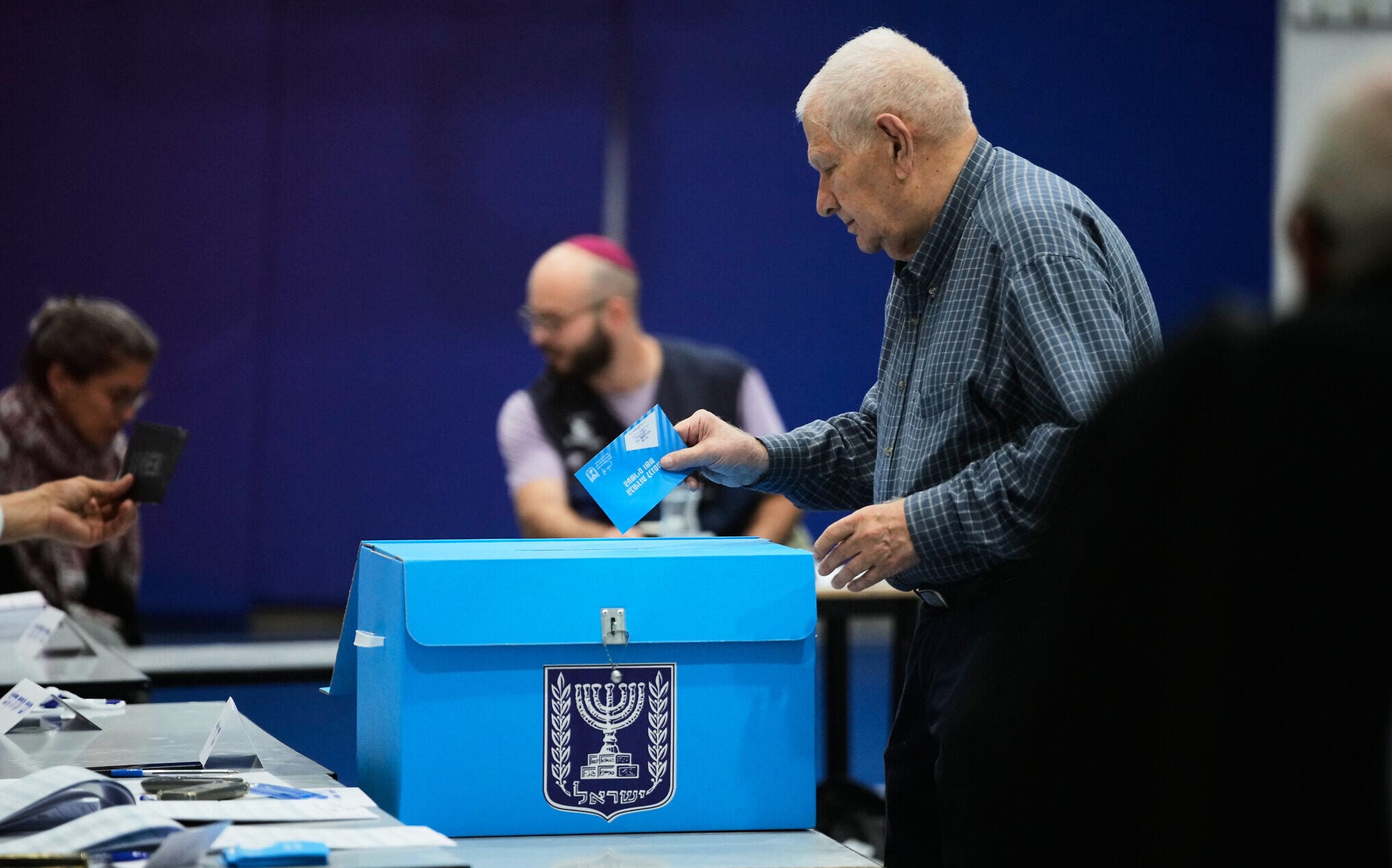
Israelis headed to the polls on October 27, 2026, in a consequential general election serving as a referendum on Prime Minister Benjamin Netanyahu’s leadership. The vote follows three years of war triggered by the October 7, 2023, attacks, with opinion polls showing tight margins and no bloc guaranteed a majority.
Voters Cast Ballots as Families of October 7 Victims Urge Accountability
Polling stations opened across Israel on Tuesday morning for the election of the 26th Knesset. Ahead of the vote, families of those killed and kidnapped during the October 7, 2023, attacks gathered at dawn in Tel Aviv’s Hostages Square. Standing in silence at 6:29 a.m. — the exact hour Hamas terrorists launched their assault — relatives urged citizens to cast ballots in memory of the victims and demand official accountability.
On October 7, that cursed day, the State of Israel abandoned our beloved son Ron. It abandoned him and all the citizens of Israel when it allowed thousands of terrorists to launch a murderous attack on the State of Israel.
Sigal Yehudai, mother of slain Nova festival victim Ron Yehudai, via The Times of Israel
Speakers at the gathering asked voters to support parties committed to establishing a state commission of inquiry. The push for answers highlights deep public friction over security failures, government responsibility, and the fate of hostages still held in Gaza. An assault by Hamas on army bases, residential communities, and an outdoor music festival resulted in the deaths of roughly 1,200 people, while 251 individuals were abducted and taken back into Gaza. Among the victims, Amir Tzur was a paramedic killed in battle in Kibbutz Kfar Aza. The roster of speakers at the event featured Eyal Eshel—father of Roni Eshel, the surveillance soldier who lost her life at the Nahal Oz military base—alongside Einav Zangauker, whose son Matan Zangauker was abducted and subsequently released in October 2025, and Ruby and Hagit Chen, the parents of fallen soldier Itai Chen, whose body was taken into captivity on October 7. At the end of their statements, the speakers signed their names on a giant ballot box that was white rather than blue, mimicking traditional Israeli death notices.
Political Scene and the Race Between Likud and Yashar
Benjamin Netanyahu, Israel’s longest-serving prime minister, is attempting to hold onto power after 19 intermittent years in office across three periods spanning 1996 to 1999, 2009 to 2021, and returning in 2022. Facing a fragmented political landscape, Netanyahu’s Likud party is running neck-and-neck with its main challenger. Polling indicates that the centrist Yashar party, led by former IDF chief of staff Gadi Eisenkot, is positioned to secure between 20 and 23 seats in the 120-seat Knesset, with Likud running close behind with 19 to 21 seats.
Because neither major party is expected to capture the 61 seats required for an outright majority, political analysts anticipate weeks of intense coalition negotiations. The final allocation of seats will dictate whether Netanyahu can stitch together another right-wing coalition or if an opposition bloc can displace him. In the Netanyahu bloc,
parties including Religious Zionism, United Torah Judaism, Shas, and others reach between 49 and 51 seats, while the opposition parties likely to back Yashar and Gadi Eisenkot — including The Democrats and Yisrael Beiteinu — reach between 52 and 55 seats, leaving 14 to 19 seats to smaller groups and Palestinian parties.
Palestinian Citizens Face Crucial Turnout Decisions
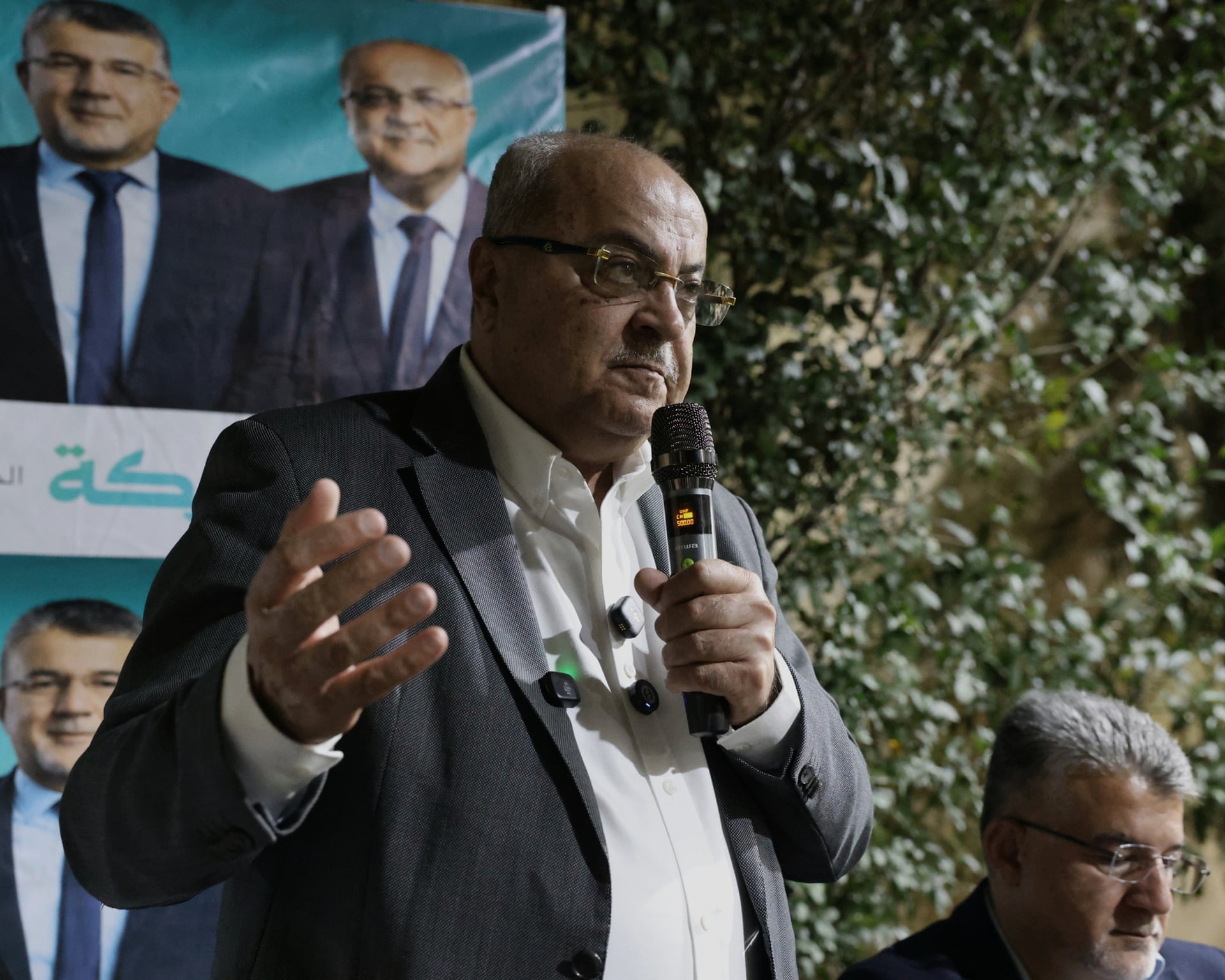
Palestinian citizens of Israel, who make up roughly 20% of the electorate, face a stark political dilemma. Voters in Arab communities must weigh whether participating in a system that many feel marginalizes them can effectively block far-right ministers from returning to power. Leaders like Ahmad Tibi of the Ta’al party have urged high turnout as a vital tool to unseat Netanyahu’s coalition.
While mainstream Jewish opposition parties have largely ruled out formal partnerships with Arab factions, a substantial Arab parliamentary bloc could alter coalition math. Projections suggest Palestinian citizens will capture 12 to 15 seats, split between the Islamist party Ra’am and a coalition of three smaller parties known as the Joint List, which includes Ta’al. High voter participation could push marginal right-wing parties below the electoral threshold, complicating the path for any prospective government.
Tens of Thousands of Expatriates Return to Vote
The election has mobilized an unprecedented influx of Israeli citizens traveling from abroad. Approximately 810,000 eligible voters live outside Israel, according to the Central Bureau of Statistics. Through grassroots initiatives like the AID Coalition’s Fly&Vote operation, an estimated 67,000 Israelis have flown back to cast ballots.
Arrival terminals at Ben Gurion Airport saw scenes of celebration and political mobilization as voters from across the political spectrum returned for the ballot.

“UK Speaker Backs Zimbabwe’s Commonwealth Return, Legislative Support"
British House of Commons Speaker Sir Lindsay Hoyle has pledged to lobby the UK Executive to fast-track Zimbabwe's...

American Jews, who have faced election of fears over Netanyahu
As Israel approaches an upcoming election on October 27, American Jews are experiencing intense interest and growing anxiety.

Israeli Settlers Attack Palestinian Olive Harvesters in West Bank, 2026
Israeli settlers carried out a wave of violent attacks across the occupied West Bank during the annual olive...
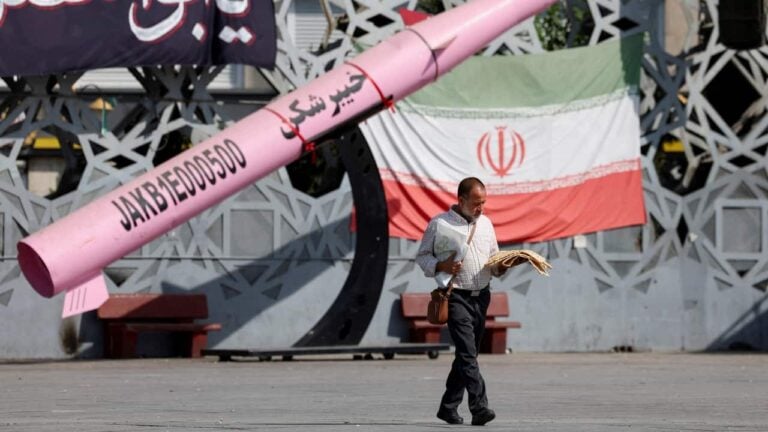
Iranian army claims it shot down a US drone over Bandar Abbas
Iran’s military announced it shot down a U.S.