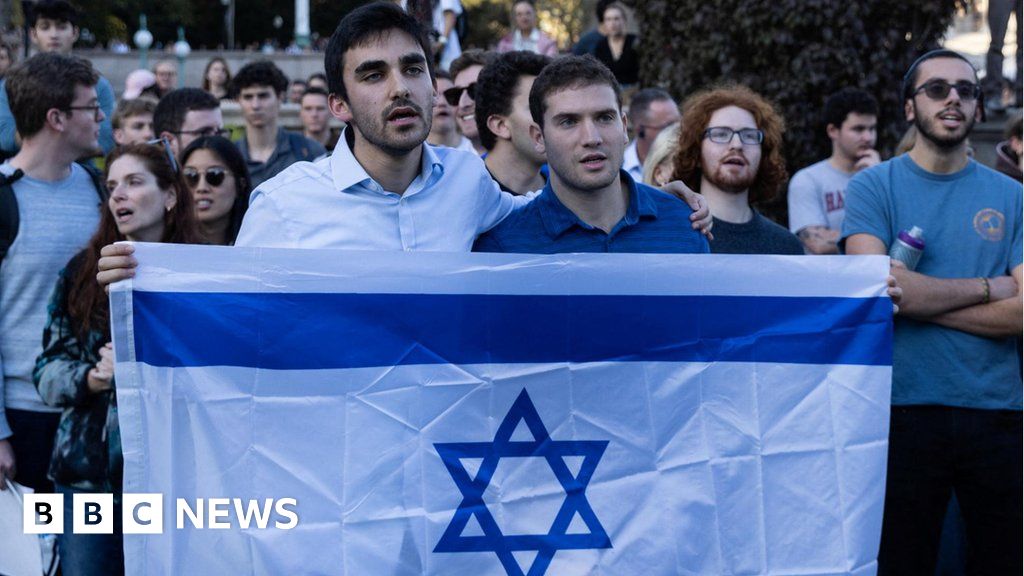
As Israel approaches an upcoming election on October 27, American Jews are experiencing intense interest and growing anxiety. Three years of conflict in the Middle East have amplified existing divisions across American society.
The upcoming vote in Israel is widely regarded as a referendum on Prime Minister Benjamin Netanyahu. This has led to American Jews remaining sharply divided along political, religious, and often generational lines over the outcome, according to reporting.
Generational Splits Shape Identity
Polling conducted by The Associated Press and the NORC Center for Public Affairs Research highlights a generational split regarding the role of Israel in personal identity. For older, religiously affiliated Americans aged 45 and older, supporting Israel remains a vital component of Jewish identity, reinforced by personal ties. Only about four in 10 religiously affiliated Jewish adults under the age of 45 described supporting Israel as extremely or very important to their identity as Jews. They often prioritize other practices such as observing Jewish holidays.
Disagreements over Israeli governance are also evident in policy debates. Many community members express a desire for an end to assaults on Palestinians by Israeli settlers in the West Bank. They simultaneously reject genocide accusations against the nation and what they view as unfair double standards directed at the Jewish state.
Critics of current governance caution that another victory for Netanyahu could alienate younger generations further, potentially leading some to distance themselves entirely from the nation. Conversely, other community members emphasize deep personal gratitude for the existence of Israel.
Domestic Concerns and the U.S. Midterms
A poll by AP-NORC indicates that most Jewish American adults view prejudice against Jews as a serious problem domestically. Concerns among Jewish communities extend beyond the geopolitical outcome in the Middle East, with many worried that the vote could influence public attitudes toward Jewish people within the United States.
In response to these tensions, numerous congregations across the United States—including large Reform synagogues associated with progressive values—have organized educational programs this fall focusing on the electoral process in Israel. At the same time, the topic has gained traction in the campaign for the U.S. congressional midterm elections in early November, which will decide control of Congress for the subsequent two years.
Keep reading

Israeli Settlers Attack Palestinian Olive Harvesters in West Bank, 2026
Israeli settlers carried out a wave of violent attacks across the occupied West Bank during the annual olive...
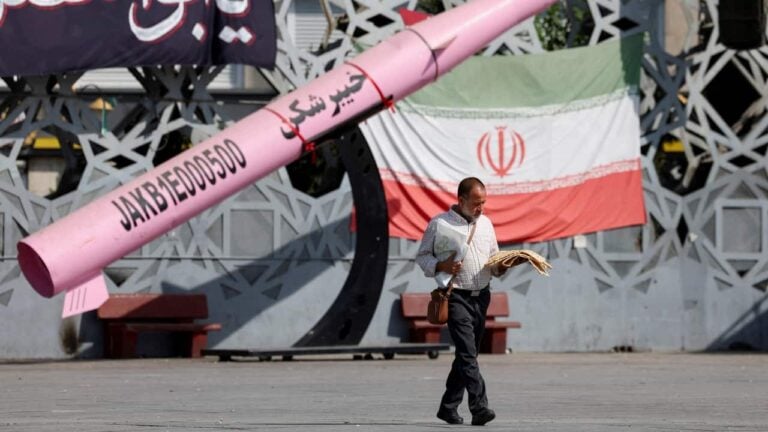
Iranian army claims it shot down a US drone over Bandar Abbas
Iran’s military announced it shot down a U.S.

Israel to close West Bank crossings on Oct 27, 2026
Israel announced it will close all land crossings with the West Bank on October 27, 2026, coinciding with...

Aleksandar Vucic returns as Serbia votes
Around 6.45 million registered voters head to the polls in Serbia on Sunday for a snap parliamentary election.