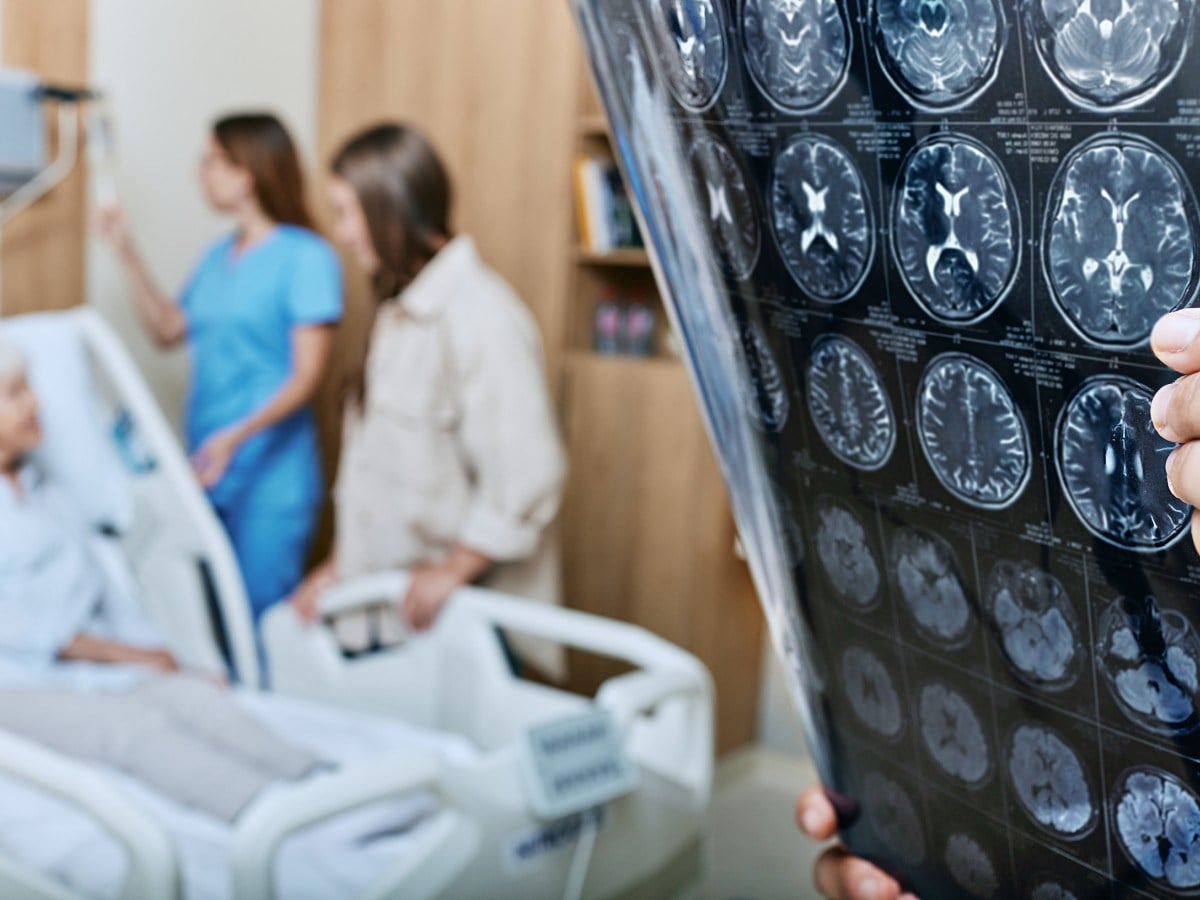
Medical data tracking Greater Cincinnati and Northern Kentucky over nearly three decades reveals stroke rates among adults aged 20 to 54 nearly doubled, rising from 33.9 to 62.2 cases per 100,000 person-years by 2020. Published in Neurology, the findings show a steep climb in blocked blood vessels even as acute 30-day survival rates improved.
For decades, emergency departments treated stroke as a hallmark of aging, a vascular crisis overwhelmingly reserved for older demographics. A population-based surveillance project tracking hospitalizations across the Greater Cincinnati and Northern Kentucky region upends that assumption by examining nearly three decades of medical data between July 1993 and calendar year 2020. Researchers identified 2,076 adults between the ages of 20 and 54 who experienced a first-ever stroke during those observation windows, tracking an upward trajectory that climbed by 83 percent across the study period.
The overall incidence rate in this younger cohort shifted from 33.90 cases per 100,000 person-years in the 1993–1994 baseline to 62.18 cases per 100,000 person-years by 2020. In stark contrast, individuals aged 55 and older experienced a significant decline over the same interval, dropping from 618.78 to 453.04 cases per 100,000 person-years. Younger adults were having more strokes while older patients experienced fewer, pushing the generational boundaries of cerebrovascular disease in opposite directions.
Ischemic Strokes and Blocked Blood Vessels Drive the Surge
The doubling of cerebrovascular events among younger populations was not distributed evenly across all physiological types. Ischemic strokes—which occur when a blood vessel supplying the brain becomes blocked, cutting off essential oxygen and nutrients to neural tissue—accounted for the vast majority of the increase.
Among adults aged 20 to 54, the ischemic stroke rate nearly doubled from 23.83 cases per 100,000 person-years in 1993–1994 to 47.28 cases in 2020. Meanwhile, neither intracerebral hemorrhage nor subarachnoid hemorrhage exhibited statistically significant temporal changes in incidence over the same duration.
Traditional Vascular Risks and Substance Use Surge in Younger Patients
Clinical profiling of the study cohort revealed an escalating burden of traditional cardiovascular comorbidities alongside behavioral exposures. Documented hypertension rose markedly from 47.3 percent to 60.3 percent among younger stroke patients, while diabetes mellitus increased from 19.1 percent to 25.5 percent.

Atrial fibrillation increased from 1.4% to 5.9%, paralleling a significant increase in cardioembolic stroke mechanisms, which rose from 10.5% to 18.5%. At the same time, documented substance use increased from 4.6% to 40.2%, with the trend primarily driven by cannabis use, which accounted for 30.6% by 2020.
It’s quite likely that much of the increase is due to the growing prevalence of factors such as diabetes, obesity and hypertension among younger patients whether known or unrecognized, which is expressing itself as ischemic stroke at younger ages.
Dr. Lee Schwamm, via Newsweek
Despite tracking these shifts, the study could not establish direct causation. Researchers lacked comparable health information from individuals within the community who had not experienced a stroke, leaving open questions about how much these individual risk factor trends contributed to the overall incidence increase.
Improved Acute Survival Leaves More Survivors Facing Long-Term Disability
While incidence rates climbed, acute survival outcomes showed encouraging progress. Adjusted for age, race, and sex, the proportion of younger patients who died within 30 days fell from 11.7 percent in 1993–1994 to 9.4 percent in 2020. This survival benefit was concentrated primarily within hemorrhagic presentations, where specialized care in dedicated neurologic intensive care units was essential. By contrast, 30-day case fatality for ischemic events remained steady at 4.9 percent.
Specialists emphasize that surviving an acute event does not equate to a full recovery. Depending on the location and severity of the brain injury, survivors frequently confront lasting difficulties with mobility, speech, and daily functioning.
At the same time, more people are surviving these strokes, which means more younger adults may be living with the long-term effects of stroke.
Emily R. Fisher, study author at the University of Cincinnati, via Science Daily
Dawn Kleindorfer, co-author and chair of the Department of Neurology at Michigan Medicine, noted that risk factors are emerging much earlier in life than previous generations experienced. Experts recommend early screening initiatives, including proactive blood pressure management throughout young adulthood, to address the underlying drivers before ischemic events occur.
Keep reading

Continuous Glucose Monitors Benefit Type 2 Diabetes Patients Not on Insulin
Adults with type 2 diabetes who do not take insulin spent approximately five additional hours daily within their...

Stanford Trials Ray Tracing-Guided LASIK in Nearsighted Patients
Stanford Eye Laser Center is conducting a prospective, randomized research trial comparing ray tracing-guided LASIK to wavefront-guided LASIK...

PPARD Activated in Immune Cells Becomes Cancer-Fighting Tool
Researchers at Cold Spring Harbor Laboratory and the Massachusetts Institute of Technology have discovered that the lipid-sensing transcription...

Salk Institute Finds SRF3 Protein Restores Plant Iron Balance
Researchers at the Salk Institute discovered on October 14, 2026, that the plant protein SRF3 repairs cellular iron...