
Adults with type 2 diabetes who do not take insulin spent approximately five additional hours daily within their target blood sugar range when using continuous glucose monitors, according to clinical trial results published in the New England Journal of Medicine.
Adults using continuous glucose monitors spent approximately five additional hours daily within their target blood sugar range.
Wearable glucose biosensing technology has long been standard practice for patients managing type 1 diabetes or insulin-dependent type 2 diabetes. However, clinical evidence for patients managing type 2 diabetes without insulin has remained scarce.
A landmark 26-week randomized controlled trial known as CONNECT evaluated 283 adults across 22 U.S. primary care practices. This study measured the impact of continuous glucose monitoring outside of specialized endocrinology clinics, focusing on the settings where most Americans receive diabetes care according to University of Colorado Anschutz reporting.
CONNECT Trial Results and Blood Sugar Improvements
Participants in the trial were assigned either to routine care or to wear the coin-size Dexcom G7 sensor on their upper arm. By week 26, hemoglobin A1c levels dropped from a mean baseline of 8.8% down to 7.2% in the monitoring group, compared with a drop from 8.7% to 8.0% among those receiving routine care.
Nearly twice as many participants using the monitors achieved an A1c level below 7%. Beyond average three-month blood sugar reductions, users averaged five more hours each day within the target blood glucose range of 70 to 180 milligrams per deciliter, noted MedTech Dive.
Researchers observed these benefits across a wide range of demographics, including variations in age, sex, race, ethnicity, body mass index, income, education, insurance coverage, and concurrent use of other glucose-lowering medications such as GLP-1 receptor agonists.
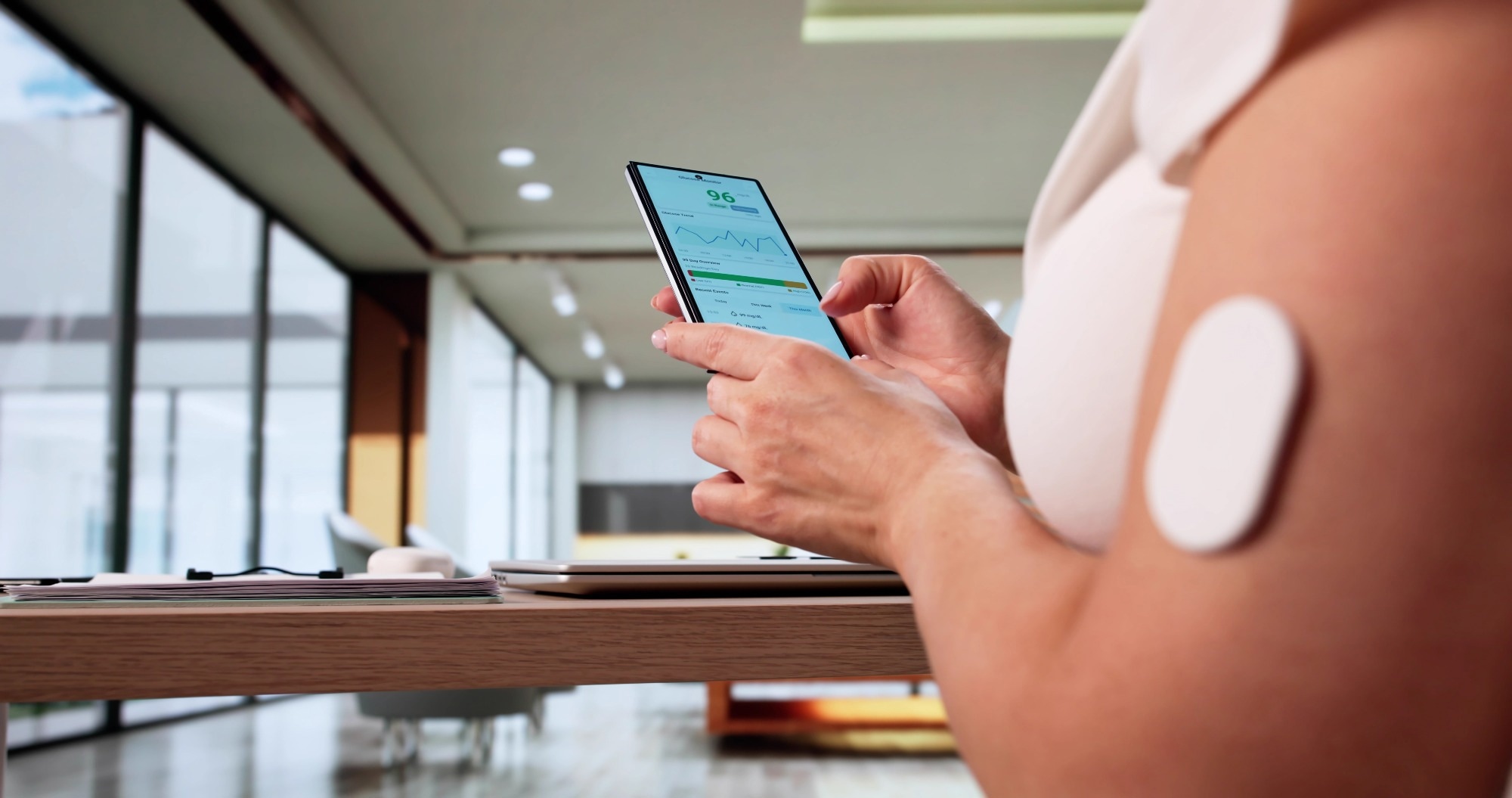
The trial screened 440 total participants across 22 primary care sites in the United States. It was led by researchers including Tamara Oser, MD, a professor in the University of Colorado Anschutz Department of Family Medicine who served as first author.
The study was sponsored by Dexcom Inc.
The consistency of benefit across a broad range of people and treatment regimens supports consideration of the use of a continuous glucose monitor much earlier in Type 2 diabetes management before insulin is needed.
Dr. Roy W. Beck, Medical Director of the Jaeb Center for Health Research
High Adherence to Daily Monitor Use in Trial Participants
Adherence throughout the trial remained high, with 97% of participants continuing to use the monitors daily at the conclusion of the six-month study period according to Reuters.
A separate observational study was published in JAMA Network Open noted the Kaiser Permanente Division of Research.
Researchers at Kaiser Permanente Northern California examined electronic health records over a three-year period. They assessed long-term glycemic and renal outcomes among high-risk patients.

That three-year evaluation found sustained blood sugar improvements alongside reductions in urinary albumin-creatinine ratios, signaling decreased protein in the urine—an early indicator of kidney health.
Researchers analyzing the long-term data included senior author Ajit Mahapatra, MD, a nephrologist with The Permanente Medical Group and clinical leader for the KPNC Diabetes Nephrology Workgroup.
Co-author Lisa Gilliam, MD, PhD, served as a DOR adjunct investigator and practicing TPMG endocrinologist.
The multi-year study was funded by Dexcom Inc., The Permanente Medical Group, the Kaiser Foundation Research Institute, the National Institute of Aging, and the National Institute of Diabetes and Digestive and Kidney Diseases.

Regulatory Expectations and Insurance Coverage Expansion
Current Standards of Care from the American Diabetes Association assign Level A evidence to continuous glucose monitors for patients receiving insulin, while recommendations for non-insulin-treated diabetes rely on Level C evidence.
Authors of the New England Journal of Medicine study intend for their findings to help close that evidence gap, strengthen national guidelines, and expand insurance coverage stated the University of Colorado Anschutz.
Diabetes technology manufacturers anticipate that the Centers for Medicare and Medicaid Services will expand Medicare coverage for non-insulin users, with implementation expected according to financial analysts cited by MedTech Dive.
Such a regulatory expansion could double covered lives for manufacturers like Dexcom from approximately 15 million to 30 million people. Competitor Abbott estimated that broader Medicare access could reach an additional 10 million beneficiaries.
Current Standards of Care from the American Diabetes Association assign Level A evidence to continuous glucose monitors for patients receiving insulin.
Keep reading
Stanford Trials Ray Tracing-Guided LASIK in Nearsighted Patients
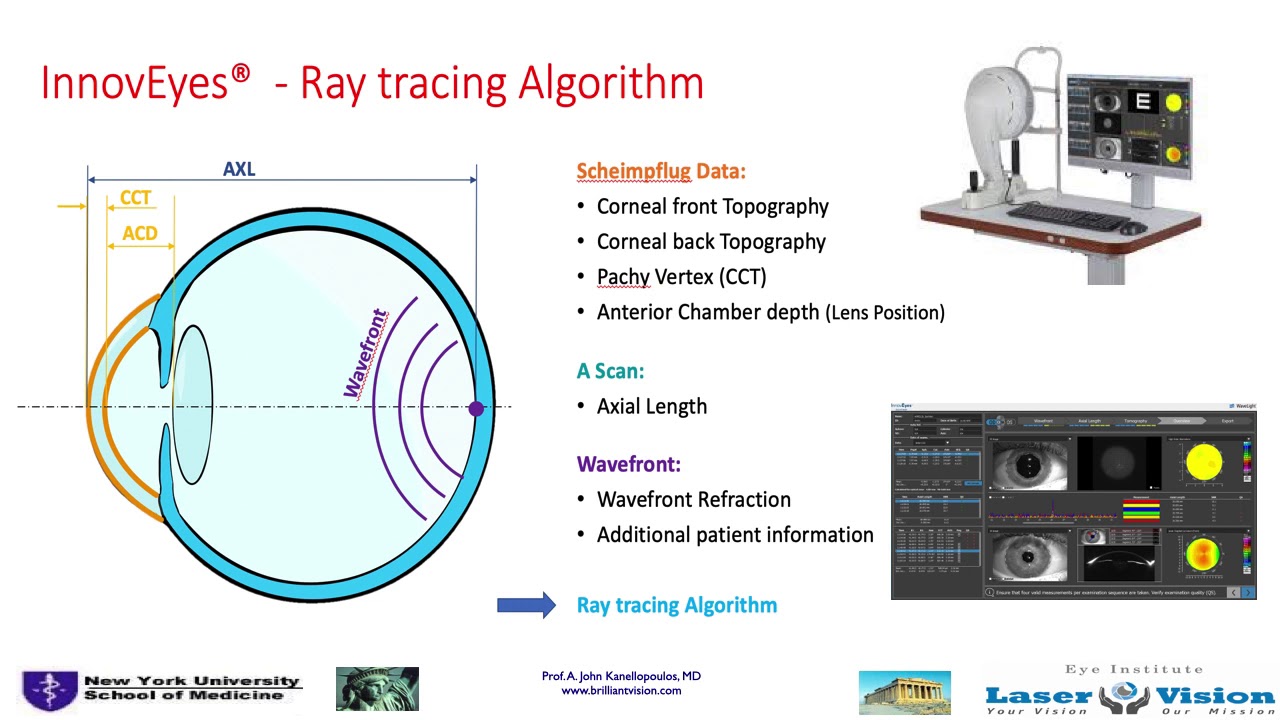
Stanford Eye Laser Center is conducting a prospective, randomized research trial comparing ray tracing-guided LASIK to wavefront-guided LASIK...

PPARD Activated in Immune Cells Becomes Cancer-Fighting Tool
Researchers at Cold Spring Harbor Laboratory and the Massachusetts Institute of Technology have discovered that the lipid-sensing transcription...

Salk Institute Finds SRF3 Protein Restores Plant Iron Balance
Researchers at the Salk Institute discovered on October 14, 2026, that the plant protein SRF3 repairs cellular iron...

Vatican announces Pope Leo XIV has lung cancer after successful surgery
Pope Leo XIV underwent successful surgery at Rome’s Gemelli Hospital to remove a cancerous nodule from his right...