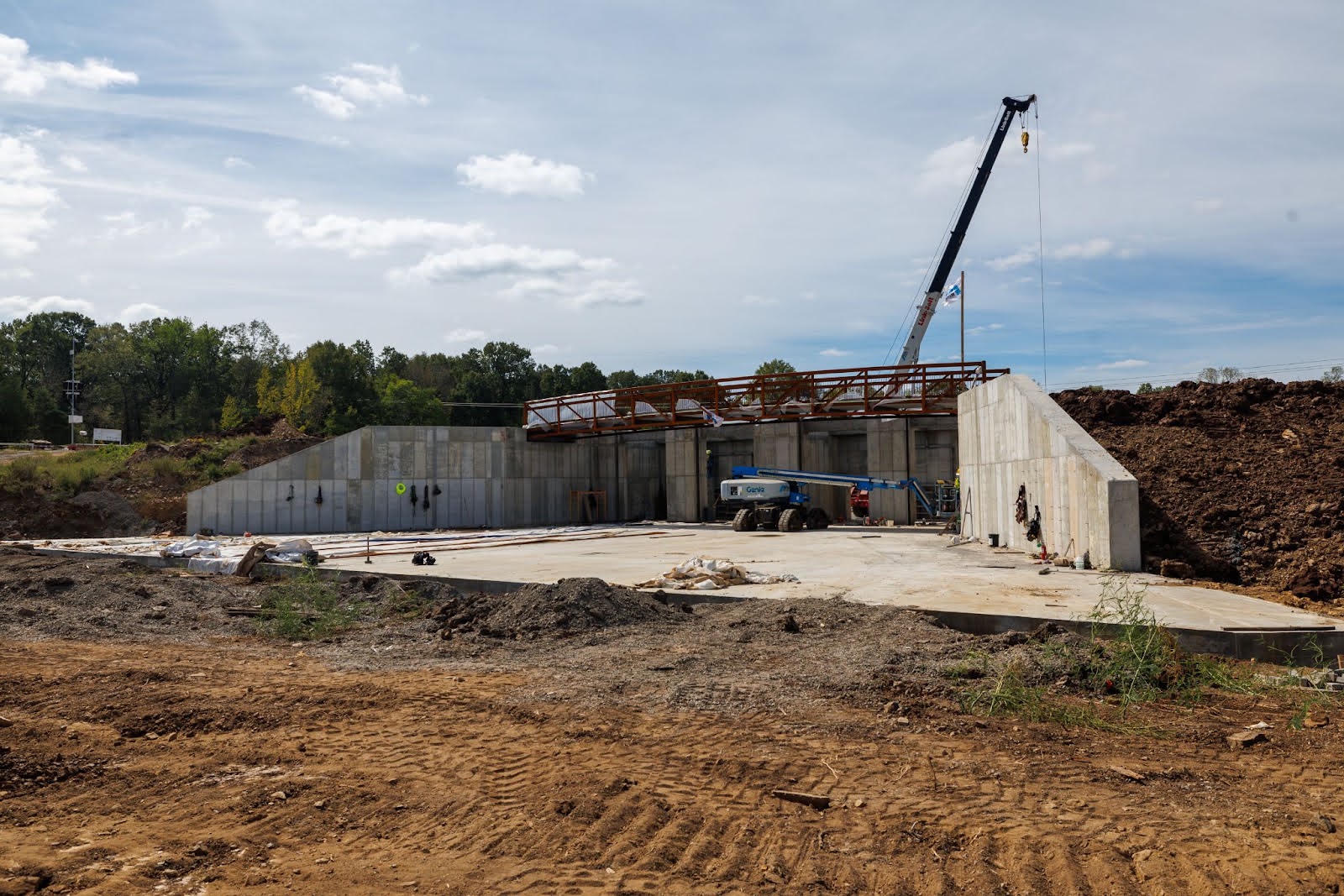
The Arkansas Game and Fish Commission will close the gates at Lake Conway on December 2, allowing the lake to begin refilling after three years of construction that drained much of the water body, AGFC reported. The move marks the first step toward restoring the Faulkner County lake to its normal water level, though officials caution that rainfall will determine how quickly the water returns.
This matters now because the closure ends the longest dewatering period in the lake’s modern management history and starts a carefully sequenced restocking plan that will keep anglers waiting years for full fishing limits to return.
Water Returns, but Fishing Won’t—Not Yet
Nick Feltz, the AGFC fisheries supervisor at the Mayflower field office, told KATV that the water control structures are functional and most infrastructure work below the waterline is complete. When the gates close December 2, the lake will begin holding water again, but the refilling process depends entirely on precipitation. Feltz warned that rain after the closure could cause water levels to rise quickly, while continued drought could leave additional time for repairs—but residents should not count on that window.
The lake’s normal water level will remain unchanged after the renovation, and AGFC will no longer conduct the routine winter drawdown that previously lowered the lake each year. Instead, the new auxiliary structure with gates will allow future management drawdowns only when needed for maintenance.
Forage First: The 200,000 Shiners Already in the Water
Restocking has already begun in the areas where water remains. Feltz said hatchery crews added about 200,000 golden shiners to the lake last week. Now that the water is cooling and the lake is set to fill, the commission has already started stocking fathead minnows, bluegill, and redear sunfish this winter. These forage fish will serve as the food base for larger species, and AGFC typically waits six to eight months before stocking gamefish to give the forage a head start. If the forage base responds as expected, Feltz said he wants to lean toward that six-month window, but staff will assess conditions once the water is back.
KATV reported that if water conditions cooperate, sport fish stocking could begin in late spring or early summer 2027. Under that timeline, the lake could have a reasonably fishable population by fall 2028. Fishing would initially be catch-and-release, with harvest generally expected to return around summer 2030. AGFC Deputy Director Ben Batten told the outlet that full limits should return no sooner than about 2030—”about four years from now, it should be back to normal.”
New Ramps, Deeper Banks, and the Wetland Constraint
The renovation replaced the previous worn-down manual dam and drain pipes with a passive spillway and an auxiliary structure. Above the waterline, work has continued at access points throughout the lake. Improved parking areas and boat ramps have been installed at many public access points during the last few months, and several fishing piers and banks popular with anglers were deepened slightly to offer better angling close to shore.
Feltz addressed requests from some residents to dig out areas and create islands, explaining that the lake remains a wetland area subject to special federal regulations that protect wetlands from damage. “We simply can’t do that,” he said, “but we’re doing what we can to improve those areas that we can within the parameters of our permitted activities.”
About 50 large utility poles remain to be driven into the lakebed, primarily south of Highway 89 and in Gold Creek west of I-40. The contractor will return to complete that work once the water has risen. Boat lane marking will also wait until the lake fills and staff can launch barges to see how everything looks from the surface before finalizing how the lanes are labeled. A pedestrian bridge placed at the old dam’s catwalk site will keep walking access to Belle Slough open.
What Landowners Must Do Before December 2
Feltz urged landowners to complete remaining dock, boathouse, and shoreline work before the gates close. For residents such as Michael Grandjean, who lives at Adams Lake Landing, the news raises hopes of resuming a familiar routine. Grandjean told KATV that fishing was the reason he moved to Adams Lake, and while some water and fish remain there, reaching them currently requires traveling through mud. “I don’t go fishing, and I was fishing every day,” he said.
Batten acknowledged the sacrifice residents and anglers have made during the three-year project. “So projects like this are tough because a lot of people aren’t patient, and it’s hard to give up something, right? But it’s been three years,” he said. For Grandjean, the prospect of improvements makes the wait worthwhile: “It’s great. It’s great. But anything that’s going to improve the lake is what I’ve always been for.”
The Open Question: Will the Rain Come?
Everything now hinges on precipitation. The gates close December 2, but without adequate rainfall, the timeline for stocking gamefish, marking boat lanes, and driving the remaining utility poles could stretch indefinitely. Feltz said staff will assess the forage base once the water is back in the lake before committing to the six-month window for gamefish stocking, leaving anglers to wonder whether the lake will be fishable by fall 2028 or whether the wait will extend closer to Batten’s 2030 estimate for full harvest limits.
Related reading
Democrats on track to gain six seats in Hawaii Legislature as five Republicans trail
Heading into Tuesday night, Hawaii Republicans were bracing for a difficult midterm cycle without a presidential race at...

Hartford, Sumner reject RSU 10 withdrawal despite Buckfield approval
Buckfield residents voted 599-538 on Tuesday in favor of withdrawing from Regional School Unit 10, but the effort...

DOJ Deploys Election Monitors to Los Angeles Amid Legal Battle Over Contested Ballots
The Justice Department sent a last-minute surge of election monitors into Los Angeles on Tuesday morning, hours after...
Consuelo Redhorse Wins Colorado House District 13 Election
Consuelo Redhorse, a Democrat from Silverthorne, has won the race for Colorado House District 13, besting Republican challenger...