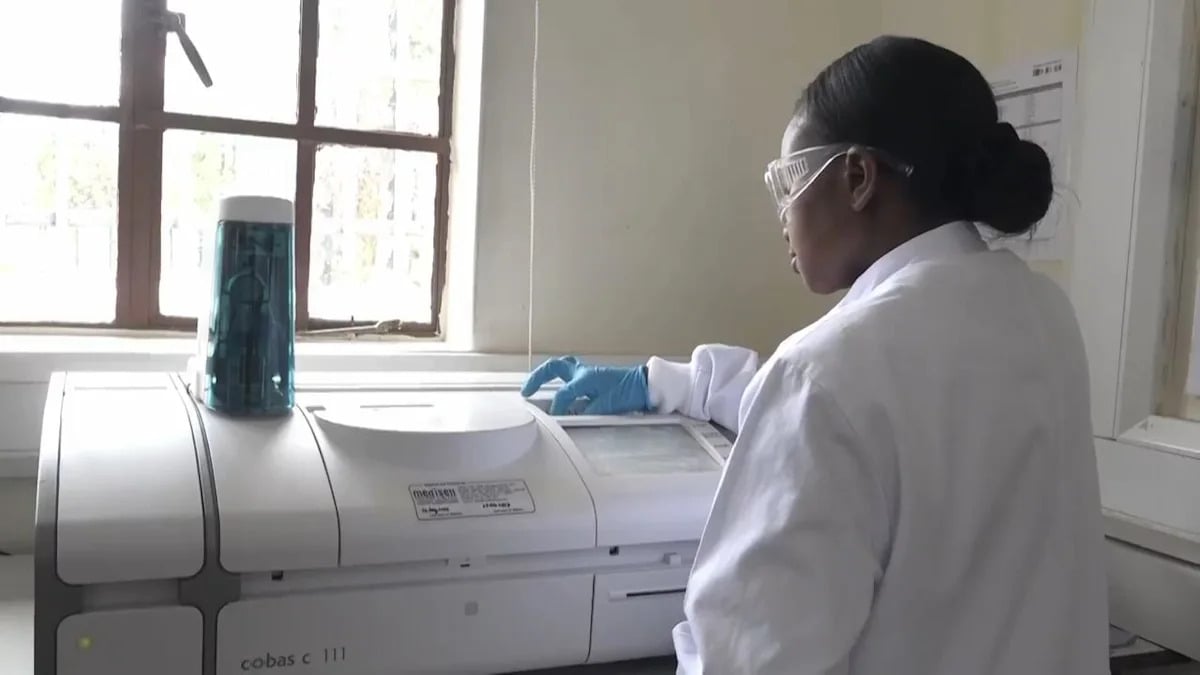
Researchers in Uganda launched a Phase I clinical trial of the ChAdOx1 BDBV vaccine candidate in Masaka City on October 6, 2026, marking a critical step in evaluating the vaccine against the ongoing Bundibugyo Ebola virus outbreak in the Democratic Republic of Congo.
An experimental vaccine developed to combat the Bundibugyo strain of Ebola entered clinical evaluation in Uganda on October 6, 2026. Administered first to volunteers in Masaka City by the Medical Research Council/Uganda Virus Research Institute and London School of Hygiene & Tropical Medicine Uganda Research Unit, the trial tests the safety and immune response of the candidate vaccine in healthy adult volunteers.
The study builds on a first-in-human Phase I trial launched in the United Kingdom in July by the Oxford Vaccine Group at the University of Oxford. Both trials are funded by the Coalition for Epidemic Preparedness Innovations as part of an international effort to close a major gap in epidemic defense.
ChAdOx Platform Adapted for Bundibugyo Strain
The vaccine candidate, designated ChAdOx1 BDBV, utilizes the same viral-vector technology that underpinned the Oxford/AstraZeneca COVID-19 vaccine. Instead of targeting a coronavirus spike protein, the chimpanzee adenovirus delivery vehicle carries genetic instructions for a glycoprotein specific to the Bundibugyo virus.
Previously licensed vaccines designed for the Zaire strain offer little or no protection against the Bundibugyo virus because those treatments are species-specific. With no licensed vaccine or treatment currently available for the strain driving the central African epidemic, developers utilized Oxford’s Clinical BioManufacturing Facility to produce early trial materials.
Scale of the Democratic Republic of Congo Epidemic
The current health crisis in neighboring regions prompted rapid development efforts beginning in May. According to figures released by health authorities and cited by international agencies, the outbreak in the Democratic Republic of Congo recorded 8,728 confirmed cases and 4,205 deaths as of October 6, resulting in a case fatality rate of 48.2 percent.
The World Health Organization originally declared the epidemic a public health emergency of international concern on May 17, 2026. Regional containment efforts faced severe hurdles due to ongoing conflict, population displacement, and limited healthcare access, which disrupted local surveillance and contact tracing.
The Bundibugyo ebolavirus outbreak raging in the DRC is now the fastest-growing Ebola epidemic in history – and the deadliest Ebola outbreak the nation has ever experienced. We urgently need a safe and effective vaccine that could help bring this crisis to an end.
Dr Nicole Lurie, CEPI’s Executive Director for Emergency Preparedness and Response
Global Manufacturing and Funding Pressures
The Serum Institute of India manufactured and stockpiled approximately 620,000 doses of the ChAdOx1 BDBV vaccine candidate within a two-week window. The manufacturer supplied 300 vials to the UK trial and approximately 3,000 additional doses for the study in Uganda.

The Coalition for Epidemic Preparedness Innovations committed initial funding of up to US$8.6 million for preclinical testing, preparation, seed-stock work, and manufacturing.
Without sufficient additional funding, we are at risk of not being able to develop these promising vaccine candidates… CEPI urgently needs US$128M now to keep our Bundibugyo emergency R&D response moving. Without it, we are putting the DRC, and the world, at tremendous risk.
Dr Nicole Lurie, Executive Director of Emergency Preparedness and Response at CEPI
Next Steps and Equitable Distribution Commitments
Phase I trials focus primarily on immediate safety signals, tolerability, and immune response measurement in small cohorts. Positive safety data would clear the path for larger Phase II and Phase III evaluations involving hundreds or thousands of participants to determine efficacy and optimal dosing.
Local and national governments must continue leading response operations, with guidance from the most severely impacted communities.
CDC Reports Third US Measles Death in 2026
The Centers for Disease Control and Prevention confirmed its third measles death of 2026 on October 20, as...

Adeno-Associated Virus Gene Therapy Targets Hydrocephalus
Researchers at the University of Cincinnati and UC Davis have demonstrated a preclinical proof-of-concept for an experimental gene...
Vertex Backs Research on Early Cystic Fibrosis Intervention
Nonsense mutations account for about 10% of cystic fibrosis cases, while new preclinical research published on September 29,...